
How to Spot Distracted Drivers Before It’s Too Late
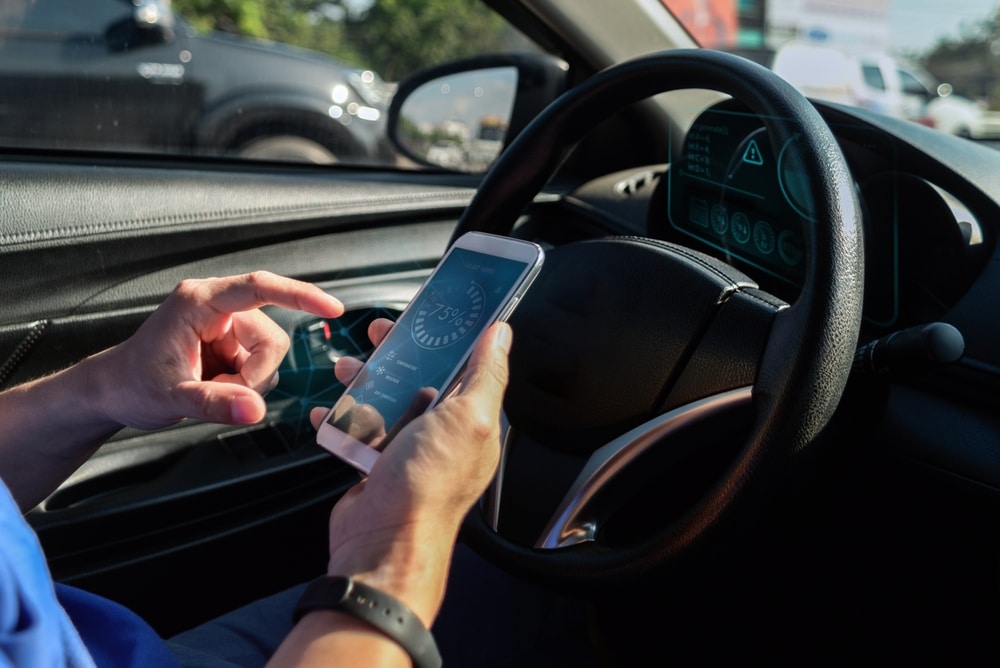
Every year, thousands of lives are lost and countless others are injured because of distracted driving. Learning how to spot distracted drivers before it’s too late can make a significant difference in keeping yourself and others safe on the road. Recognizing the warning signs early allows you to take defensive actions that could prevent accidents. The more aware we are, the better equipped we become to navigate roads filled with potential hazards.
Driving is a shared responsibility, and staying vigilant about other drivers’ behavior protects everyone. Whether commuting to work or taking a family road trip, understanding how to identify distracted drivers helps reduce risks. If you’ve been involved in an accident caused by a distracted driver, consulting legal experts like Ravid & Associates can provide guidance on your rights and options. Awareness is the first step toward safer roads for all. Michigan takes distracted driving seriously, Governor Whitmer signed into law a bill making it illegal to manually use a cell phone or other mobile electronic device while operating a vehicle on Michigan roads.
Understanding Distracted Driving: What Does It Mean?
Distracted driving refers to any activity that diverts a driver’s attention away from operating their vehicle safely. This includes visual distractions, where the driver looks away from the road; manual distractions, where hands leave the steering wheel; and cognitive distractions, where the mind wanders off-task. These distractions can occur simultaneously, making them particularly dangerous. For example, texting combines all three types, which is why it’s one of the riskiest behaviors behind the wheel.
Common sources of distraction include smartphones, infotainment systems, eating, drinking, or even conversing with passengers. Each of these activities takes focus away from driving, increasing the likelihood of an accident. By understanding what constitutes distracted driving, we can better identify risky behaviors and take steps to avoid them ourselves. Awareness is key to preventing unnecessary tragedies on the road.
Latest Distracted Driving Statistics (2023–2025)
In recent years, distracted driving has remained a leading cause of traffic fatalities and injuries. In 2023 alone, over 3,000 lives were lost due to distraction-related crashes, with hundreds of thousands more injured. Projections for 2025 suggest that this trend will persist, accounting for approximately 8% of all U.S. traffic deaths. Certain states, such as New Mexico, have alarmingly high rates of fatal crashes linked to distracted driving, highlighting regional challenges.
Geographic trends show that urban areas often experience higher numbers of incidents due to denser traffic and more frequent stops. Age groups also play a role, with younger drivers being disproportionately affected. These statistics underscore the urgent need for greater awareness and stricter enforcement of anti-distracted-driving laws. As technology evolves, so must our strategies for combating its unintended consequences on road safety.

Most Common Signs of Distracted Driving
Recognizing distracted drivers starts with observing specific behaviors. One telltale sign is drifting between lanes without signaling, indicating a lack of focus on the road ahead. Erratic speed changes, such as sudden acceleration or deceleration, are another red flag. Drivers who appear unsure or inconsistent in their movements may not be fully engaged in driving.
Irregular braking patterns also signal distraction, especially when there’s no apparent reason for stopping abruptly. Additionally, delayed reactions to traffic signals—like failing to move when the light turns green—can indicate divided attention. Observant drivers should watch for these cues, as they often precede dangerous situations.
Another clear indicator is seeing a driver looking down instead of at the road, likely engaging with a phone or other device. Sudden lane changes without checking blind spots further confirm distracted behavior. By learning to spot these signs quickly, you can adjust your driving to minimize risk and protect yourself and others.
Vehicle Types and Drivers Most at Risk
Certain vehicles and demographics are more prone to distracted driving incidents. Compact cars and SUVs, popular among younger drivers, tend to see higher rates of distraction-related crashes. Teenagers and young adults, particularly those aged 15-24, are statistically more likely to engage in risky behaviors behind the wheel. Their inexperience, combined with a tendency to multitask, makes them especially vulnerable. In 2019, among U.S. high school students who drove, 39% texted or e-mailed while driving at least once during the prior 30 days.
Professionals commuting long distances or using delivery services are also at elevated risk. Highways and busy city streets during peak hours present additional challenges, as drivers juggle navigation apps, calls, or texts while trying to stay alert. Understanding these profiles helps us anticipate potential dangers and adapt accordingly. Staying informed about who’s most at risk ensures we remain proactive in protecting ourselves and others.
Technology’s Role: Distraction in Modern Cars
Modern vehicles come equipped with advanced technologies designed to enhance convenience, but sometimes contribute to distraction. Touchscreen interfaces, voice-activated controls, and entertainment systems demand both mental and physical engagement, pulling focus away from driving. While these features aim to improve user experience, they inadvertently create new opportunities for cognitive overload.
On the flip side, technology offers tools to combat distracted driving. Apps that block notifications while driving and built-in systems that prioritize hands-free operation help mitigate risks. However, relying solely on tech isn’t enough; drivers must remain mindful of their responsibilities. Combining awareness with preventive measures ensures safer interactions with modern vehicle innovations.

High-Risk Zones: Where Distracted Driving Happens Most
Intersections, school zones, highways, and congested urban areas are hotspots for distracted driving incidents. These locations require heightened attention due to frequent stops, pedestrian crossings, and complex traffic patterns. Drivers who lose focus in these environments put themselves and others in grave danger.
“Phone use while driving – particularly calling and texting – is one of the most common distractions. When a person reads a text while driving, his or her eyes are off the road for an average of five seconds.” -GHSA
To stay safe, practice defensive driving techniques in high-risk zones. Maintain a safe following distance, scan surroundings continuously, and anticipate sudden movements from other vehicles. Being extra cautious in these areas reduces the likelihood of collisions and promotes overall road safety. Remember, vigilance saves lives.
Day-to-Day Warning Signs: How to Identify Distraction Fast
Becoming adept at spotting distracted drivers involves keen observation. Look for drivers who fail to maintain a consistent speed or brake unpredictably. Notice if someone appears glued to their phone or seems oblivious to changing road conditions. Swiftly identifying these behaviors gives you time to react appropriately.
“25% of all distracted drivers involved in fatal crashes were adults aged 25-34. 17% were aged 15-20 and using their cell phones at the time.” -Montway Auto Transport
If you suspect another driver is distracted, increase your following distance immediately. Avoid tailgating or lingering beside them, as this increases vulnerability. Instead, position yourself strategically to minimize exposure to erratic maneuvers. Defensive driving habits ensure you’re prepared for anything.
Finally, trust your instincts. If something feels off about another driver’s behavior, assume they’re distracted until proven otherwise. Adjust your route if necessary, signal clearly, and always prioritize safety over convenience. Acting decisively protects not only you but also others sharing the road.
“Nearly every state has passed some sort of statewide law against distracted driving, but more states are adopting hands-free distracted driving laws that account for new technology.” -GHSA
What to Do When You Spot a Distracted Driver
When encountering a potentially distracted driver, prioritize safety above all else. Begin by creating space between your vehicle and theirs. Slow down slightly or change lanes if possible, ensuring you aren’t caught in their path should they make an unexpected move. Defensive maneuvers like these reduce immediate risks significantly.
Avoid escalating tensions by honking excessively or gesturing aggressively. Such actions might provoke anger or panic, worsening the situation. Instead, focus on calmly navigating away from danger. If the driver poses a clear threat, consider reporting them to local authorities once you reach a safe location.
Documenting details such as license plate numbers, vehicle descriptions, and timestamps proves invaluable if law enforcement investigates. Reporting procedures vary by state, so familiarize yourself with local guidelines. Taking these steps responsibly contributes to broader efforts to curb distracted driving and promote safer roads for everyone.
Legal Implications and Reporting Distracted Drivers
Reporting distracted drivers serves both personal and public interests. Procedures typically involve contacting non-emergency lines to provide observed details without endangering yourself or others. Depending on jurisdiction, penalties range from fines to license suspension, reflecting growing recognition of this issue’s severity.
Laws governing distracted driving differ widely across states. Some ban handheld devices outright, while others impose stricter punishments for repeat offenders. Staying informed about regulations empowers individuals to advocate for stronger policies. Legal professionals, like those at Ravid & Associates, specialize in guiding victims through these complexities, ensuring justice is served. See the specifics about the Michigan Distracted Driving Law signed by Governor Gretchen Whitmer in 2023.
Preventing Your Own Distractions Behind the Wheel
Staying focused requires deliberate effort. Start by stowing electronic devices out of reach before starting your journey. Set navigation apps beforehand and enable voice commands to minimize manual interaction. Preparing playlists or adjusting climate controls prior to departure eliminates unnecessary distractions mid-drive.
“Nine people in the United States are killed every day in crashes that are reported to involve a distracted driver.” -Montway Auto Transport
Engage in open conversations with passengers about maintaining a calm environment inside the car. Encourage them to assist with tasks like answering calls or handling directions. By adopting these practices consistently, you model responsible behavior and inspire others to do the same. Safe driving begins with personal accountability.
Building Community Awareness By Educating Others About Distracted Driving
Raising awareness about distracted driving extends beyond individual actions. Community programs, workshops, and school initiatives effectively educate diverse audiences about its dangers. Hosting discussions within families fosters accountability and reinforces positive habits from an early age.
“Enforcement demonstration projects in New York, Connecticut, Delaware and California have shown that handheld cellphone bans can be enforced effectively and reduce driver use of a cellphone.” -GHSA
Social media campaigns amplify messages far and wide, reaching people where they spend much of their time online. Sharing real-life stories, statistics, and prevention tips sparks meaningful dialogue. Collaborating with organizations like Ravid & Associates amplifies impact, empowering communities to unite against this pervasive threat. Together, we build a culture of safety and respect on our roads.
Frequently Asked Questions About Distracted Driving
What Is Distracted Driving?
Distracted driving encompasses a wide range of activities that divert a driver’s focus away from the primary task of operating a vehicle. These distractions can be categorized into three main types:
Visual Distractions – Anything that draws your eyes away from the road, such as looking at a smartphone, checking a GPS device, or even looking at billboards.
Manual Distractions – Actions that take your hands off the steering wheel, which can include eating food, adjusting the radio, or reaching for objects inside the vehicle.
Cognitive Distractions – Situations that mentally divert your attention from driving, including daydreaming or engaging in conversation with passengers. Texting while driving is particularly perilous because it amalgamates all three forms of distraction: it requires you to look at your phone (visual), type or hold the device (manual), and focus on the text conversation (cognitive).
How Common Is Distracted Driving?
The issue of distracted driving has become alarmingly prevalent in recent years. According to statistics provided by the National Highway Traffic Safety Administration (NHTSA), a staggering 3,275 lives were lost due to distracted driving incidents in 2023 alone. This translates to roughly nine fatalities each day and over 1,000 injuries resulting from distracted driving-related accidents across the United States. Despite numerous public awareness campaigns aimed at addressing this growing concern, distracted driving continues to impact individuals of all ages and backgrounds.
Is It Illegal to Use a Phone While Driving?
In many states, including Oregon, the use of handheld mobile devices while driving is explicitly prohibited. Regulations can vary significantly from state to state; however, most states have enacted laws that ban texting while driving and mandate the use of hands-free technology for phone calls. In Michigan it is illegal to manually use a cell phone or other mobile electronic device while operating a vehicle on Michigan roads. Under the law, a driver cannot hold or support a phone or other device with any part of their hands, arms, or shoulders.
Even if a cell phone or other device is mounted on your dashboard or connected to your vehicle’s built-in system, you cannot use your hands to operate it beyond a single touch. As a result, you cannot manually do any of the following on a cell phone or other electronic device while driving:
- Make or answer a telephone or video call.
- Send or read a text or email message.
- Watch, record, or send a video.
- Access, read, or post to social media.
- Browse or use the Internet.
- Enter information into GPS or a navigation system.
The penalties for violating these laws can be severe and may include hefty fines, points added to your driving record, and increased insurance premiums. It’s essential to understand that even in states where using a phone hands-free is legal, cognitive distractions remain a significant risk. Therefore, it’s wise for drivers to limit or entirely eliminate phone usage while behind the wheel to ensure maximum safety.
What Are Some Less Obvious Distractions?
In addition to texting, numerous other activities can divert a driver’s attention, often without them realizing it. Some of these less obvious distractions include:
- Eating or Drinking – Consuming food or beverages can take your focus away from the road.
- Grooming – Engaging in personal care tasks such as applying makeup or combing hair can be distracting.
- Interacting with Passengers – Having heated or animated conversations can draw focus from the road.
- Adjusting Climate Controls or Music – Changing settings for air conditioning or music volume can take your hands off the steering wheel.
- Reading Maps or Directions – Trying to read and follow maps while driving can be hazardous.
It’s crucial to remember that even a brief moment of inattention can significantly increase the risk of a crash, especially when traveling at higher speeds.
Why Is Texting So Dangerous?
Texting while driving poses an extreme danger due to the multifaceted distractions it generates. When a driver sends or reads a text message, their eyes are typically diverted from the road for approximately five seconds. At a speed of 55 mph, this lapse in attention equates to driving the distance of an entire football field with your eyes closed. The unique combination of visual, manual, and cognitive distractions associated with texting makes it one of the most dangerous activities a driver can engage in.
How Can I Avoid Driving Distracted?
To minimize the risk of distracted driving, consider implementing the following strategies:
Set Your Phone to Do Not Disturb – Activate driving mode to block incoming notifications and calls.
Prepare Before You Drive – Input your GPS destination and select your music playlist before setting off to reduce distractions during your drive.
Refrain from Eating or Multitasking – Avoid activities like eating or grooming that require your attention and could divert focus from the road.
Speak Up as a Passenger – If you are a passenger and notice the driver becoming distracted, don’t hesitate to gently remind them to focus on driving.
Additionally, many modern apps and vehicle systems now feature capabilities designed to block notifications while driving, which can further enhance safety.
What Happens If I’m Caught Driving Distracted?
The consequences for being caught driving distracted can differ significantly based on state laws but may include:
Fines and Court Fees – Offenders may face monetary penalties that can accumulate with repeated violations.
Points on Your Driving Record – Accumulating points can lead to increased scrutiny from law enforcement and insurance companies.
License Suspension – Repeat offenses for distracted driving may result in a temporary or permanent loss of driving privileges.
Increased Insurance Premiums – Car insurance rates can rise significantly following a distracted driving citation due to perceived risk.
In the unfortunate event that a distracted driver is involved in a crash that results in injury or fatalities, they may also face serious criminal charges, potentially leading to further legal repercussions. By understanding the gravity of distracted driving and taking proactive steps to stay focused on the road, we can all contribute to making our roads safer for everyone.
Contact Our Detroit Distracted Driving Attorneys Today
Spotting distracted drivers and taking appropriate action is vital for safeguarding lives on the road. Early detection enables proactive measures, reducing crash rates and fostering a safer driving environment for everyone. By mastering warning signs and practicing defensive techniques, you contribute to a collective effort to eliminate preventable tragedies.
Stay vigilant, educate others, and actively participate in promoting safer roads. Supporting legislative advancements and community initiatives strengthens our shared commitment to ending distracted driving. Together, we can create a future where every journey ends safely.
If you or a loved one has been injured by a distracted driver or any other kind of accident contact our Michigan auto accident attorneys in Southfield at (248) 948-9696. We serve clients in the Detroit Metro area, Wayne County, and throughout Michigan.

