
What If I Was Injured In A Car Accident While Working In Michigan?
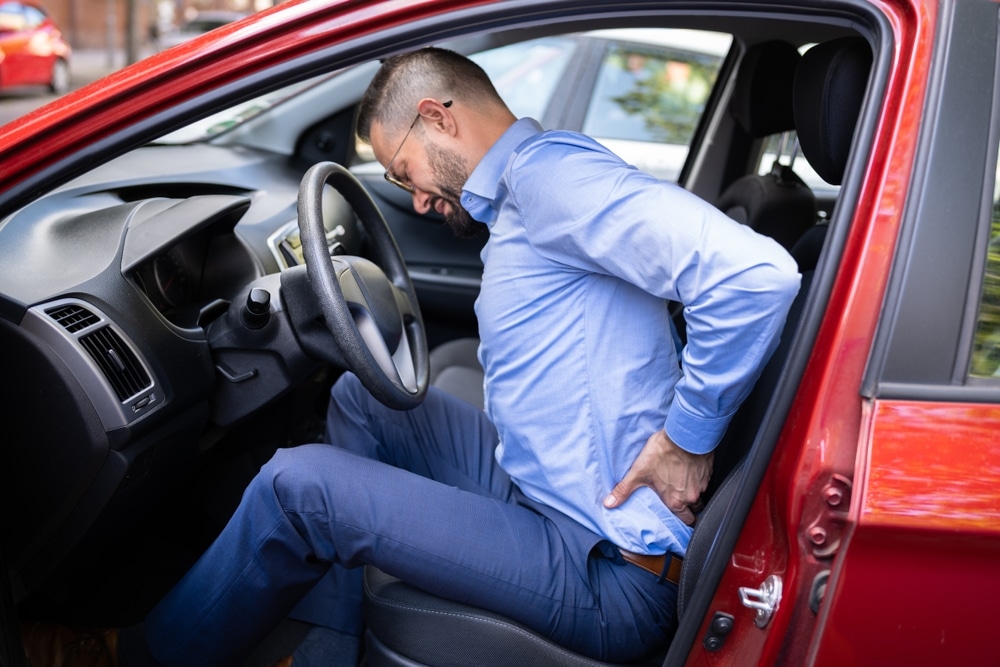
As Michigan car accident lawyers, we know how confusing it can be to figure out your rights after being injured in a crash while on the job. In these situations, two separate areas of law often come into play: Michigan’s No-Fault Automobile Insurance Act and the Workers’ Disability Compensation Act. These laws interact in ways that can significantly impact your benefits, medical coverage, and right to sue.
When you are injured in a car accident while working, you may be entitled to benefits from both workers’ compensation and your auto insurance policy, but each has its own set of rules and limitations. The process can become complex, especially when multiple insurance companies and employers are involved. Our role is to protect your rights, make sure you receive all benefits available under Michigan law, and pursue additional compensation when appropriate.
Understanding Michigan’s No-Fault Law And Work-Related Car Accidents
Under Michigan Compiled Laws (MCL) § 500.3101, every owner or registrant of a motor vehicle must maintain no-fault insurance. This system typically provides three main benefits after an accident:
- Personal Injury Protection (PIP) benefits for medical expenses, lost wages, and replacement services.
- Property Protection Insurance (PPI) for damage to other people’s property.
- Residual Liability Insurance for serious injury claims against at-fault drivers.
When the accident happens while working, MCL § 500.3109(1) requires that no-fault benefits be reduced by any workers’ compensation benefits you receive for the same injury. This means your employer’s workers’ comp insurer pays first, and your auto insurer pays any remaining eligible expenses.
Workers’ Compensation Coverage In On-The-Job Auto Accidents
The Workers’ Disability Compensation Act (MCL § 418.101 et seq.) provides benefits to employees who are injured in the course of employment. This includes accidents that occur while driving for work-related purposes, such as making deliveries, traveling between job sites, or attending business meetings.
Workers’ compensation generally covers:
- Medical care for accident-related injuries.
- A portion of lost wages if you are unable to work.
- Vocational rehabilitation in some cases.
These benefits are available regardless of who caused the accident. However, workers’ comp does not compensate for pain and suffering, something that may be available through a third-party lawsuit.
When You Can File A Third-Party Lawsuit
If another driver caused the crash, you may have the right to file a third-party personal injury claim under MCL § 500.3135. To recover non-economic damages such as pain and suffering, you must meet Michigan’s “serious impairment of body function” threshold, defined in MCL § 500.3135(5). This involves proving that the injury has affected your ability to lead your normal life.
In these cases, we work to show fault, establish the seriousness of the injury, and maximize your compensation beyond what workers’ comp and no-fault insurance provide.
Special Considerations For Company Vehicles And Commercial Drivers
If you drive a company-owned vehicle, there may be additional insurance coverage through your employer’s commercial auto policy. These policies can include higher liability limits, uninsured/underinsured motorist coverage, and special provisions for employee drivers. Commercial truck drivers, delivery drivers, and rideshare drivers often face more complex claims because of overlapping state, federal, and employment-related regulations.
Steps To Take Immediately After A Work-Related Car Accident
Your actions after the accident can have a major impact on your claim:
- Report the accident to your employer immediately. This is essential for workers’ comp eligibility.
- Seek medical attention and keep detailed records of all treatment.
- File an application for workers’ compensation benefits if your employer does not initiate the claim.
- Notify your auto insurer to preserve your right to no-fault benefits.
- Contact an attorney to coordinate both claims and protect against benefit reductions.
How We Protect Your Rights
At Ravid & Associates, P.C., we coordinate the workers’ compensation and auto insurance claims to ensure our clients receive every available benefit. We investigate the accident, identify all potential sources of recovery, and, when possible, pursue third-party claims for damages that workers’ comp does not cover. Our goal is to prevent insurance companies from shifting blame or denying rightful benefits.
Car Accident Frequently Asked Questions
What Benefits Will I Receive From Workers’ Compensation After A Car Accident At Work?
Workers’ compensation will cover all reasonable and necessary medical treatment for your injury and a portion of your lost wages, typically 80% of your after-tax average weekly wage, if you are unable to work. It may also provide vocational rehabilitation in some cases.
Do I Still Get No-Fault Benefits If I Am Receiving Workers’ Comp?
Yes, but under MCL § 500.3109(1), your no-fault insurer will subtract the amount paid by workers’ comp from the benefits they owe. For example, if workers’ comp covers your medical bills, PIP will not pay for them again but may cover expenses workers’ comp does not pay.
Can I Sue The At-Fault Driver If I Was Injured While Working?
Yes. If your injury meets Michigan’s “serious impairment of body function” threshold under MCL § 500.3135, you can file a third-party claim against the at-fault driver for pain and suffering and other non-economic damages, in addition to economic losses not covered by insurance.
What If I Was At Fault For The Accident?
You can still receive workers’ comp benefits because fault is not a factor for eligibility. You may also still receive no-fault benefits. However, you generally cannot sue another driver for pain and suffering if you were more than 50% at fault for the accident.
What If I Was Driving My Personal Vehicle For Work?
You are still covered by workers’ comp if the trip was work-related. Your personal auto insurance will also apply, and coordination between your personal PIP benefits and workers’ comp benefits will be necessary to ensure full coverage.
Does Rideshare Driving Count As “Working” For These Laws?
Yes, but the insurance situation can be more complicated. For example, Uber and Lyft have their own liability and injury coverage that may apply depending on whether you were logged in to the app or had a passenger at the time of the accident.
What Happens If My Employer Disputes That I Was Working At The Time?
We gather evidence such as GPS records, delivery logs, and witness statements to prove you were engaged in work duties when the accident occurred. Disputes over whether you were “in the course of employment” are common, and we know how to address them.
Call Ravid & Associates, P.C. Today
If you were injured in a car accident while working in Michigan, the attorneys at Ravid & Associates, P.C. can protect your rights and help you recover the maximum benefits available under the law. We handle the coordination between workers’ compensation, no-fault insurance, and any third-party claims so you can focus on healing.
Contact our Detroit car accident attorneys at Ravid & Associates, P.C. today by calling (248) 948-9696 to receive your free consultation. We represent clients in Detroit and throughout the state of Michigan from our Southfield office.

