
The Most Dangerous Intersections in Michigan for Car Accidents
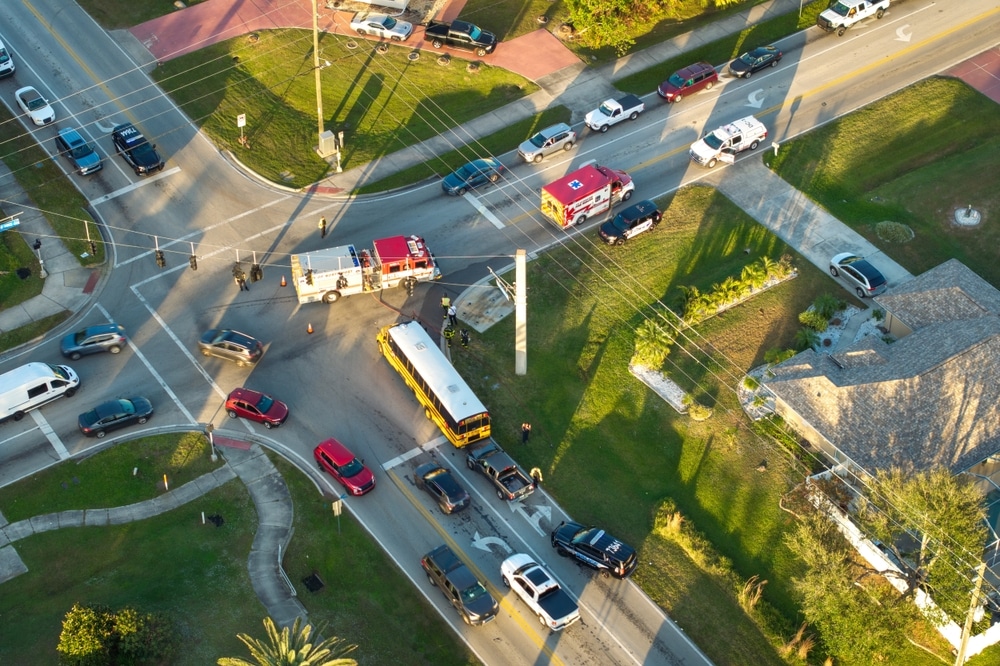
As Detroit car accident attorneys, we have seen how a single intersection can change someone’s life forever. Michigan drivers deal with heavy traffic, fast-moving vehicles, and often confusing intersections that can quickly become dangerous. In metropolitan Detroit and across the state, certain intersections have gained a reputation for frequent crashes due to high traffic volumes, poor visibility, or complex traffic signals. For those injured in these collisions, the impact can be devastating, ranging from lost wages and costly medical bills to permanent disabilities and tragic fatalities. Michigan law provides pathways for victims to recover damages, but these cases can be complex, requiring an understanding of the state’s no-fault system and fault-based claims.
High-Risk Intersections In Metro Detroit And Beyond
The Michigan State Police and local traffic studies consistently identify high-crash intersections throughout our state. For example, the intersection of 11 Mile Road and Van Dyke Avenue in Warren and the area around Telegraph Road and 12 Mile in Southfield are known for serious collisions. In Detroit itself, intersections such as Gratiot Avenue and 7 Mile have long been considered particularly dangerous. Other suburban intersections in places like Sterling Heights, Dearborn, and Livonia also appear regularly on crash reports.
These intersections combine heavy commuter traffic, large trucks, and complex turn lanes that increase the likelihood of side-impact crashes. When drivers are distracted, speeding, or failing to yield, the consequences can be severe. As attorneys, we know these crash sites often become central in determining liability and in proving negligence.
Michigan’s No-Fault Insurance Law
Michigan follows a no-fault insurance system under MCL 500.3101 et seq. This means that after a car accident, your own Personal Injury Protection (PIP) benefits pay for medical expenses and lost wages, regardless of who caused the crash. However, when an intersection accident results in “serious impairment of body function” or “permanent serious disfigurement,” victims may step outside of the no-fault system and pursue a lawsuit against the at-fault driver under MCL 500.3135 et seq.
This threshold is critical in intersection accidents because side-impact and high-speed collisions often cause severe injuries such as traumatic brain injuries, spinal cord damage, and fractures. In those situations, victims may be entitled to additional compensation for pain and suffering, loss of earning capacity, and other damages beyond what no-fault benefits provide.
The Role Of Comparative Fault In Intersection Accidents
Michigan applies a modified comparative fault standard under MCL 600.2959 et seq. This means that if you are partially at fault for an accident, say, by rolling through a stop sign or speeding through a yellow light, your recovery may be reduced by your percentage of fault. If you are found to be more than 50 percent at fault, you may not recover non-economic damages at all.
At busy intersections, comparative fault arguments are common. Insurance companies often try to shift blame by claiming both drivers contributed to the crash. As attorneys, we carefully investigate these cases, gather traffic camera footage, analyze police reports, and interview witnesses to ensure fault is accurately assigned.
How Michigan Traffic Laws Impact Intersection Crashes
Michigan traffic statutes, such as MCL 257.649 et seq, requiring drivers to yield the right-of-way and MCL 257.627 et seq regulating speed limits, play a key role in intersection accident cases. When a driver violates these laws, by failing to yield when turning left, running a red light, or driving too fast for conditions, they may be found negligent per se. This legal principle simplifies proving negligence, as the violation itself demonstrates a failure to use reasonable care.
By applying these laws, we work to hold negligent drivers accountable and secure justice for our clients. Whether the crash occurred in downtown Detroit or in Schaumburg’s Michigan counterparts like Warren, Dearborn, or Southfield, the legal principles remain the same: every driver owes a duty of care to operate their vehicle safely.
FAQs About Dangerous Intersections And Michigan Car Accident Law
What Makes Certain Intersections More Dangerous Than Others?
Intersections become dangerous when they combine heavy traffic volumes, multiple turning lanes, poor lighting, or confusing traffic patterns. High-crash intersections in Michigan often involve wide, multi-lane roads where drivers must make quick decisions. Distraction, speeding, or failing to yield only increases the risk of serious collisions.
If Michigan Is A No-Fault State, Can I Still Sue The At-Fault Driver?
Yes. While Michigan’s no-fault law requires your own insurer to cover medical bills and lost wages, you can file a lawsuit if your injuries meet the serious impairment threshold under MCL 500.3135. This allows you to recover non-economic damages such as pain and suffering, as well as economic losses beyond your PIP benefits.
What Is Considered A Serious Impairment Of Body Function?
Michigan courts interpret “serious impairment of body function” to mean an objectively manifested injury that affects your general ability to lead your normal life. Examples include spinal cord injuries, broken bones requiring surgery, traumatic brain injuries, and severe internal injuries. Each case is fact-specific, and courts examine how the injury impacts your daily activities and long-term quality of life.
How Does Comparative Fault Affect My Case?
Under MCL 600.2959, if you are partially at fault for the accident, your damages will be reduced by your percentage of fault. For example, if you are found 25 percent responsible and your damages total $100,000, your recovery would be reduced to $75,000. If you are more than 50 percent at fault, you cannot recover non-economic damages.
What Compensation Can I Recover After An Intersection Accident?
You may be entitled to PIP benefits that cover medical care, rehabilitation, lost wages, and replacement services. If your injuries meet the serious impairment threshold, you may also recover damages for pain and suffering, future loss of earnings, and other long-term expenses caused by the accident. Property damage claims may also be pursued under Michigan’s “mini-tort” law, MCL 500.3135(3)(e), for up to $3,000 in vehicle damage not covered by insurance.
What Should I Do Immediately After An Intersection Accident?
Seek medical attention right away, even if you feel fine initially, since many injuries worsen over time. Report the crash to the police, exchange insurance and contact information with all parties, and take photographs of the vehicles and intersection. Avoid giving statements to insurance companies before consulting an attorney. Preserving evidence early is crucial in intersection crash cases.
Protect Your Rights With Ravid & Associates, P.C.
Intersection accidents in Michigan can lead to catastrophic injuries and complex legal battles over fault and compensation. At Ravid & Associates, P.C., we are committed to protecting the rights of injured victims across Detroit and throughout the state. With decades of combined experience, our attorneys know how to handle intersection accident cases under Michigan’s no-fault laws, comparative fault rules, and negligence statutes.
If you or a loved one has been injured at a dangerous Michigan intersection, contact our Detroit intersection accident attorney at Ravid & Associates, P.C. today at (248) 948-9696 to receive your free consultation. We represent clients across Detroit and throughout Michigan from our office in Southfield. Our team is ready to fight for your rights, your recovery, and your future.

