
Why Winters Make Detroit Driving So Risky
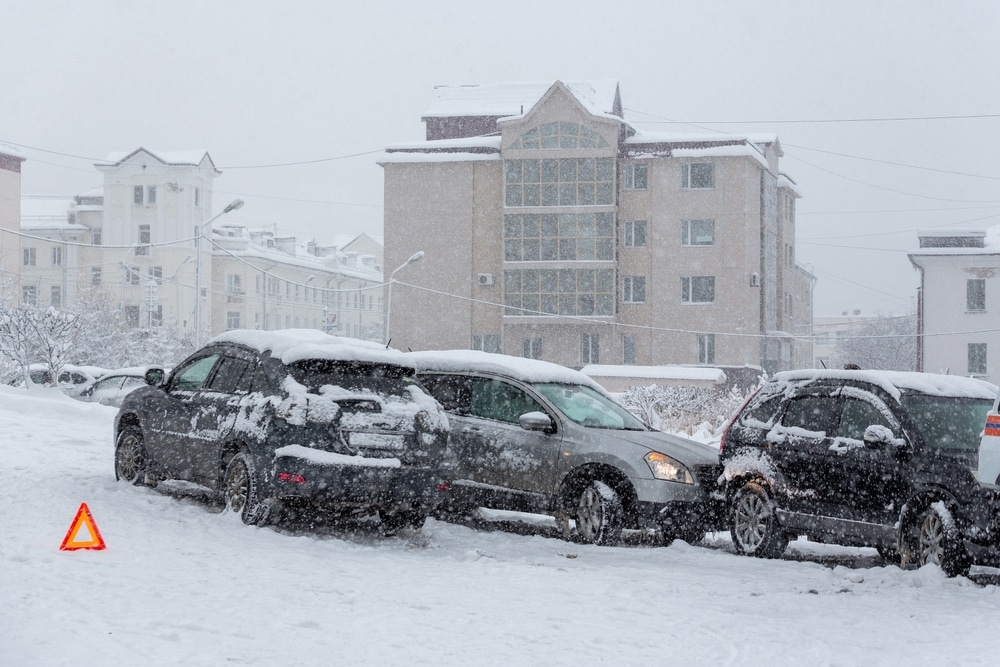
Every winter, Detroit transforms into a challenging environment for drivers as icy roads and unpredictable weather amplify the risks of accidents. Why winters make Detroit driving so risky is a question that resonates with locals who face treacherous conditions year after year. Snowstorms, black ice, and subzero temperatures create hazards that even experienced drivers find difficult to navigate. Understanding these risks is key to staying safe during the colder months.
Detroit’s unique combination of heavy traffic, aging infrastructure, and harsh winters makes it particularly vulnerable to dangerous driving conditions. The city’s location near the Great Lakes adds another layer of complexity, with lake effect snow frequently blanketing roads without warning. As we delve deeper into specific factors like road conditions and driver behavior, it becomes clear why winter driving in Detroit demands extra caution and preparation.
Detroit Winter Driving Statistics
Winter driving in Detroit isn’t just a seasonal inconvenience—it’s a serious safety issue backed by alarming statistics. In Michigan, winter-related crashes have been on the rise, with over 30,000 incidents reported during the 2022-2023 winter alone. These numbers highlight the growing challenges drivers face when navigating icy roads and sudden weather changes. Detroit, in particular, stands out as one of the most hazardous cities for winter driving due to its high volume of traffic and complex road systems.
Trends show that accident rates spike during the coldest months, with February consistently ranking among the deadliest for road incidents. This pattern underscores how prolonged exposure to winter conditions increases the likelihood of collisions. With such sobering data, it’s evident that understanding and mitigating these risks is crucial for both new and seasoned Detroit drivers. Now, let’s explore how snow and ice specifically contribute to this heightened danger.
How Snow and Ice Increase Crash Risk
Snow and ice are notorious for making roads slippery, which directly impacts vehicle control and stopping distances. When tires lose traction on icy surfaces, even the most cautious drivers can find themselves in skids or unable to stop in time. This loss of control often leads to rear-end collisions, spinouts, and multi-car pileups. In Detroit, where temperatures frequently dip below freezing, these conditions are a regular occurrence, catching many drivers off guard.
Another factor is the unpredictability of winter weather events. Sudden snow squalls or freezing rain can transform clear roads into hazardous zones within minutes. Drivers may not have enough time to adjust their speed or prepare their vehicles, leading to avoidable accidents. This dynamic highlights the importance of staying informed about weather forecasts and adapting driving habits accordingly. Next, we’ll examine how lake effect snow further complicates Detroit’s winter driving landscape.
The Impact of Lake Effect Snow in Detroit
Lake effect snow occurs when cold air moves over the warmer waters of the Great Lakes, causing intense, localized snowfall. Detroit’s proximity to Lake Erie and Lake Huron makes it especially susceptible to this phenomenon. Unlike general snowstorms, lake effect snow can dump several inches of snow in a short period, creating whiteout conditions that catch drivers by surprise. These sudden, heavy snowfalls leave little time for road crews to clear highways and urban streets.
The rapid onset of lake effect snow significantly increases crash risks, as visibility drops and roads become slick before drivers can react. Even well-maintained vehicles struggle under these conditions, leading to jackknifed trucks, stalled cars, and chain-reaction accidents. Understanding this weather pattern is essential for Detroit drivers, as it underscores the need for heightened awareness and slower speeds during winter months. Moving forward, we’ll identify specific roads and intersections that pose the greatest risks during these hazardous conditions.
Detroit’s Most Dangerous Winter Roads and Intersections
Interstate highways like I-94, I-75, and I-96 are notorious for being among the most dangerous roads in Detroit during winter. These high-speed corridors see heavy traffic volumes, making them particularly risky when snow and ice reduce traction. Accidents on these roads often involve multiple vehicles, as drivers struggle to maintain control on icy surfaces. Urban corridors such as Woodward Avenue and Gratiot Avenue also rank high for winter crashes due to their mix of residential and commercial traffic.
Common accident scenarios on these roads include rear-end collisions caused by sudden braking, sideswipes from merging vehicles, and rollovers on exit ramps. The combination of high speeds, limited visibility, and poor road conditions creates a perfect storm for accidents. Drivers should exercise extreme caution on these routes, especially during peak travel times. With these dangers in mind, it’s important to also consider how human factors contribute to winter crashes, which we’ll discuss next.
Human Factors: Speed, Inexperience, and Risky Behaviors
One of the leading causes of winter accidents in Detroit is excessive speed, with approximately 30% of drivers involved in crashes traveling too fast for conditions. Speeding reduces reaction time and increases the severity of collisions, especially on icy roads. Inexperienced drivers unfamiliar with winter driving techniques also contribute to the problem, as they may not know how to handle skids or judge stopping distances in snow.
Distracted and impaired driving further compound these risks, as split-second decisions become even more critical in hazardous conditions. Michigan law enforces strict penalties for “driving too fast for conditions,” but enforcement alone isn’t enough to curb reckless behavior. Addressing these human factors requires education and accountability, ensuring drivers understand the consequences of their actions. Now, let’s shift our focus to how vehicle preparedness plays a role in reducing winter crash risks.
Vehicle Preparedness and Maintenance Issues
Proper vehicle maintenance is a cornerstone of safe winter driving in Detroit. Tires designed for winter conditions, such as all-season or snow tires, provide better traction on icy roads. Functioning windshield wipers and defrosters are equally important, as they ensure clear visibility during snowstorms. Neglecting these essentials can lead to accidents caused by reduced control or impaired sightlines.
Common vehicle-related failures include worn-out brakes, dead batteries, and malfunctioning heaters, all of which are exacerbated by cold weather. For instance, a car that stalls in the middle of a snowstorm can quickly become a hazard for other drivers. Regular maintenance checks before winter can prevent these issues, keeping drivers safer on Detroit’s unpredictable roads. However, even well-prepared vehicles can struggle on poorly maintained roads, which brings us to the next section on infrastructure challenges.
Poor Road Conditions and Infrastructure Challenges
Potholes, untreated ice, and delayed snowplowing are persistent problems on Detroit’s roads, amplifying the risks for winter drivers. Potholes, often worsened by freeze-thaw cycles, can damage tires and suspension systems, while untreated ice creates slippery patches that are hard to spot. Overpasses and bridges are particularly prone to refreezing, even after treatment, posing additional hazards for unsuspecting drivers.
Efforts to address these issues include increased plowing schedules and improved de-icing methods, but resource limitations often mean delays during peak storms. This gap between need and response leaves drivers vulnerable, especially during early morning commutes or late-night travel. While infrastructure improvements are ongoing, drivers must remain vigilant and adapt to these challenges. Next, we’ll explore seasonal trends to identify when winter driving is most dangerous in Detroit.
Seasonal Trends: When Is Winter Driving Most Dangerous?
In Detroit, January and February consistently see the highest number of winter-related accidents, as prolonged exposure to icy conditions takes its toll. Early-season snowfalls in November and December also pose significant risks, as drivers may not yet have adjusted to winter driving habits. Weekends and holidays, particularly around Thanksgiving and Christmas, experience spikes in crashes due to increased travel and congestion.
These trends highlight the importance of staying alert and prepared throughout the winter months. Early-season drivers may underestimate the dangers of fresh snow, while holiday travelers often face crowded roads and fatigue. Understanding these patterns can help drivers anticipate risks and plan accordingly. With this knowledge, let’s examine common mistakes Detroit drivers make during winter and how to avoid them.
Mistakes Detroit Drivers Make in Winter
Speeding, tailgating, and ignoring weather reports are among the top mistakes Detroit drivers make during winter. Many drivers fail to adjust their speed for icy conditions, leading to loss of control and collisions. Tailgating is another frequent error, as reduced stopping distances on snow-covered roads leave little room for error. Additionally, some drivers ignore weather advisories, venturing out when staying home would be the safer choice.
First responders often note that overconfidence is a recurring theme in winter crashes. Drivers who believe they can handle any condition may take unnecessary risks, endangering themselves and others. Learning from these mistakes is crucial for improving safety on Detroit’s roads. Now, let’s discuss actionable steps drivers can take to mitigate these risks and drive more safely during winter.
Steps for Safer Winter Driving in Detroit
To reduce risks, Detroit drivers should prioritize vehicle preparation and adopt defensive driving techniques. Start by equipping your car with winter tires, ensuring proper tire pressure, and checking fluid levels regularly. Keep an emergency kit in your vehicle, including items like blankets, water, and a flashlight, in case you’re stranded. When driving, slow down, increase following distances, and avoid sudden maneuvers on icy roads.
Authorities recommend staying informed about weather conditions and road closures before heading out. If possible, delay travel during severe storms and use alternative routes to avoid high-risk areas. By following these best practices, drivers can significantly lower their chances of being involved in a winter accident. With these tips in mind, let’s explore how winter driving impacts insurance claims in Detroit.
Winter Driving and Insurance Claims in Detroit
Winter accidents in Detroit often lead to increased insurance claims, which can result in higher premiums for drivers. Filing a claim after a collision may seem straightforward, but failing to document the incident properly can complicate matters. Drivers should take photos of the scene, exchange information with other parties, and report the accident to their insurance provider promptly.
Repeated claims during winter months can flag a driver as high-risk, further raising costs. To minimize these impacts, maintaining a clean driving record and practicing safe winter habits is essential. Seeking legal advice from experts like those at Ravid & Associates can also help drivers navigate complex insurance issues. Next, we’ll compare Detroit’s winter driving risks to those of other northern cities.
Long-Term Safety Trends and Regional Comparisons
Compared to other northern U.S. cities, Detroit ranks among the most dangerous for winter driving due to its harsh weather and high traffic volumes. While cities like Minneapolis and Buffalo also face severe winters, Detroit’s aging infrastructure and dense urban layout contribute to higher crash rates. Michigan’s statewide fatality statistics further underscore the region’s vulnerability to winter road hazards.
Despite ongoing efforts to improve road safety, progress has been slow. Investing in better snow removal technology and public awareness campaigns could help reduce risks. Policymakers must prioritize these initiatives to protect drivers and save lives. With this broader perspective, let’s address some frequently asked questions about Detroit’s winter driving challenges.
FAQ: Common Questions About Detroit Winter Driving Risks
Why do Detroit’s highways become especially dangerous in winter?
Detroit’s highways, such as I-75 and I-94, become perilous in winter due to high speeds combined with icy conditions. Heavy traffic exacerbates the risk, as sudden stops or skids can trigger multi-car pileups.
What are the most common mistakes Detroit drivers make in winter?
Excessive speed, poor vehicle preparation, and ignoring hazardous weather warnings are the most frequent errors. These behaviors increase the likelihood of accidents on Detroit’s already treacherous roads.
Is Detroit really more dangerous for winter driving than other northern cities?
Yes, Detroit ranks higher in winter crash rates compared to many northern cities, largely due to its severe weather, traffic density, and infrastructure challenges.
How can I make my car safer for Detroit’s winter roads?
Equip your car with winter tires, ensure proper maintenance, and carry an emergency kit. These steps can greatly enhance safety during Detroit’s harsh winters.
Does winter weather affect car insurance for Detroit drivers?
Winter accidents often lead to increased insurance claims, which can raise premiums. Proper documentation and safe driving habits can help mitigate these effects.
Contact Our Car Accident Attorneys in Detroit
Detroit’s winters present a unique set of challenges for drivers, blending environmental hazards with human error to create a high-risk environment. From icy roads and lake effect snow to speeding and poor vehicle maintenance, the factors contributing to winter crashes are numerous and interconnected. Recognizing these risks is the first step toward fostering safer driving habits and advocating for systemic improvements.
By preparing vehicles, slowing down, and staying informed about weather conditions, drivers can take meaningful action to protect themselves and others. Supporting policies that prioritize road maintenance and public safety is equally important. For legal guidance or assistance after a winter accident, consider reaching out to our Detroit car accident attorneys at (248) 948-9696 Ravid & Associates. Together, we can work toward safer winter roads in Detroit.

