
Steps to Prove Fault in a Detroit Traffic Crash
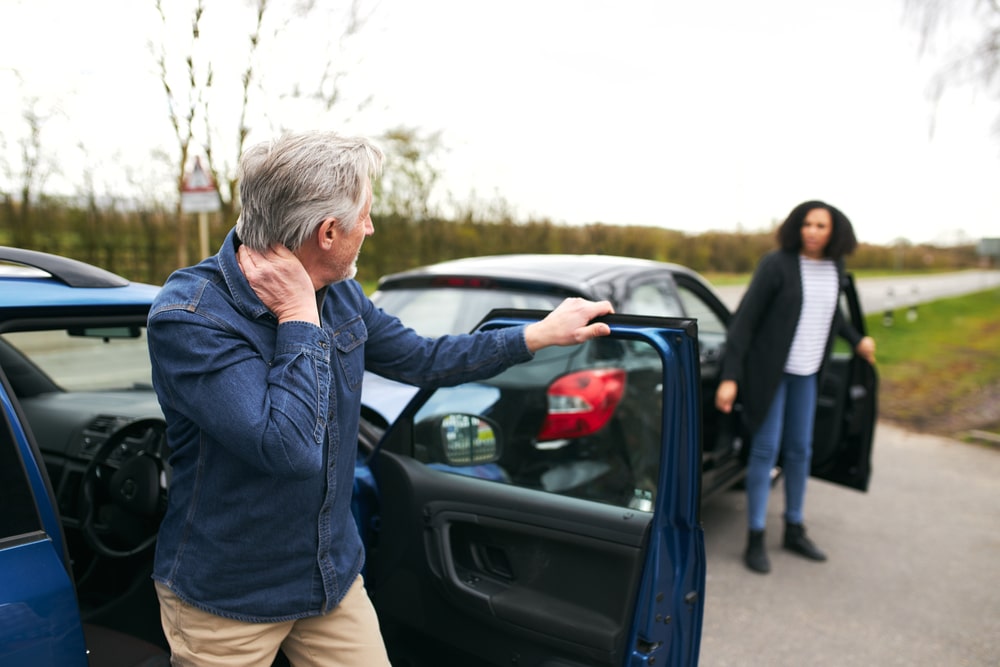
If you’ve been involved in a traffic crash in Detroit, understanding the “Steps to prove fault in a Detroit traffic crash” is essential for protecting your rights and securing fair compensation. Fault determination can be complex, especially with Michigan’s unique auto insurance laws. Knowing how fault is established and what evidence is needed can make or break your claim. This guide will walk you through everything from collecting evidence to navigating legal processes, ensuring you’re prepared every step of the way.
You will find an organized explanation of what evidence to collect, how fault determination works under state law, and what you should expect from insurers, courts, and legal professionals involved in a Detroit car accident case. With these steps in mind, you’ll be better equipped to handle the aftermath of a crash and pursue the justice you deserve.
Understanding Michigan’s No-Fault Insurance System
Michigan operates under a no-fault insurance system, which means that after a car accident, each driver typically turns to their own insurance provider for coverage of medical bills and certain other losses, regardless of who caused the crash. Personal Injury Protection (PIP) benefits cover medical expenses, lost wages, and other related costs. While this system simplifies immediate financial recovery, it doesn’t eliminate the need to prove fault in cases involving serious injuries or significant property damage.
There are exceptions to the no-fault rule, allowing victims to sue the at-fault driver for damages. These include cases involving severe injuries like permanent disfigurement, death, or extensive property damage exceeding PIP thresholds.
The Legal Definition of Fault in Detroit Traffic Accidents
Under Michigan law, fault in a traffic accident is often determined by establishing negligence. Negligence occurs when a driver fails to exercise reasonable care, violating traffic laws or endangering others on the road. Relevant statutes and jury instructions outline specific actions, such as running red lights or failing to yield, that constitute negligent behavior. Understanding these legal standards is key to proving fault effectively.
Fault is typically assessed based on whether a driver breached their duty of care, directly causing harm or damage. For instance, rear-ending another vehicle is generally considered negligent unless extenuating circumstances exist. By aligning your evidence with these principles, you strengthen your ability to demonstrate fault in a Detroit traffic crash.
Key Evidence Needed to Prove Fault
Gathering strong evidence is one of the most critical steps to prove fault in a Detroit traffic crash. Police reports serve as official records of the incident and often include preliminary findings about who may be responsible. Photos and videos from the scene can also provide visual proof of damage patterns, road conditions, and traffic signals, all of which contribute to building a compelling case.
In addition to physical evidence, eyewitness testimony and expert analyses play vital roles. Witnesses can corroborate your version of events, while professionals like accident reconstructionists use scientific methods to interpret crash dynamics. Modern vehicles equipped with “black box” event recorders can further support claims by providing data on speed, braking, and impact force. These tools collectively enhance your ability to establish fault.
Unfortunately, many people inadvertently weaken their claims by failing to document details thoroughly or waiting too long to gather evidence. To avoid these pitfalls, act quickly after the crash, take clear photos, obtain witness contact information, and preserve any relevant documentation.
How Police Reports Impact Fault Determination
Police reports are instrumental in determining fault because they summarize the officer’s observations and initial conclusions about the crash. In Detroit, officers investigate the scene, examine skid marks, assess vehicle damage, interview witnesses, and review applicable traffic laws before completing their report. This document becomes a cornerstone of the fault determination process.
“Crash investigations are conducted to properly determine the factors involved in motor vehicle crashes and to utilize these factors to develop enforcement…” -Detroit Police Department
Insurance companies, lawyers, and courts rely heavily on police reports when assigning liability. However, these reports aren’t infallible and can sometimes contain errors or omissions. If you believe the report inaccurately portrays the events, you can request corrections or provide additional evidence to challenge its findings. Working with an experienced attorney ensures your perspective is accurately represented during this stage.
“In Michigan, a driver may be determined to be at-fault for causing a car accident if he or she: (1) violates a state and/or local traffic law; (2) fails to use the ordinary care that a reasonably careful driver would use; and/or (3) rear-ends the victim’s vehicle.” -Michigan Auto Law
Role of Insurance Companies in Proving Fault
After filing a claim, insurance companies conduct their own investigations to determine fault. They analyze evidence, including police reports, photos, witness statements, and policyholder accounts. Their goal is to assign responsibility in a way that minimizes payouts, making it important to present a well-documented case.
“Michigan utilizes negligence concepts like failure to yield, improper lane changes, disregard of traffic signs, distracted driving, and intoxication to determine if drivers acted reasonably.” -White Law PLLC
Insurers may attempt to shift partial blame onto the victim using tactics like comparative negligence arguments. For example, they might argue that your actions contributed to the crash, reducing the compensation you’re entitled to receive. Having legal representation helps counter these strategies, ensuring your rights are protected throughout the claims process.
“Because of comparative negligence, insurance adjusters will do whatever possible to assign a higher percentage of liability to the plaintiff or other defendants to avoid paying out. Our Detroit car accident attorney will protect your rights and fight to ensure you are not taken advantage of by the other parties.” -Goodman Acker
Comparative Negligence: When Multiple Parties Share Fault
Michigan follows a modified comparative negligence rule known as the 51% bar rule. Under this law, you can only recover damages if you’re found less than 51% at fault for the accident. Your compensation is then reduced proportionally based on your degree of responsibility. This rule adds complexity to fault determinations but underscores the importance of proving the other party bears greater liability.
“Michigan uses “modified comparative negligence” for damage recovery. If your partial fault stays under 50%, you may still seek compensation by having awards reduced by your percentage. However, if deemed 50%+ responsible, you cannot recover losses from other parties.” -White Law PLLC
For example, imagine a scenario where two drivers collide at an intersection. If one driver ran a stop sign but the other was speeding, both could share fault. The court or insurer would assign percentages of liability—say, 70% to the driver who ran the stop sign and 30% to the speeding driver. The speeding driver could still recover 70% of their damages since they were less than 51% at fault. Understanding these nuances is vital for maximizing your recovery.
“Liability in a three-car accident could fall on any one of the drivers. There will likely be one driver who is primarily at fault for the accident, with the largest percentage of fault. However, if one or both of the other drivers contributed to the collision somehow, then a jury or the court could also assign a percentage of liability to them.” -Goodman Acker
Special Considerations in Multi-Vehicle Accidents
Fault determination becomes even more intricate in multi-vehicle accidents, where multiple parties may share varying degrees of responsibility. Police and insurance adjusters reconstruct the sequence of events to identify who initiated the chain reaction and how subsequent collisions occurred. Each driver’s actions—or lack thereof—are scrutinized to assign liability percentages accurately.
“Before a successful claim can be filed, it must be shown that a motorist was negligent. This is done through the demonstration of numerous elements, including duty, breach of duty, causation, and damages.” -Buckfire Law
Unique challenges arise in these scenarios, such as conflicting witness accounts or unclear causation links between vehicles. Detailed documentation and expert analysis become invaluable tools for clarifying fault. Consulting a knowledgeable attorney can help navigate these complexities and ensure your interests are prioritized in a multi-vehicle crash case.
“Determining fault ratios in Michigan crashes entails inquiries by police and insurers using negligence standards. Contested liability may end up before a court. Judges can make final calls on disputed responsibility.” -White Law PLLC
Steps to Take Immediately After a Detroit Traffic Accident
Acting promptly after a Detroit traffic accident is crucial for protecting your claim. Start by ensuring everyone’s safety and calling emergency services. Exchange information with other drivers, including names, contact details, license plate numbers, and insurance information. Take photos of the scene, vehicle damage, and any visible injuries. Collect witness statements and note environmental factors like weather and road conditions.
“In a multi-car pileup, comparative negligence assigns the blame among all of the at-fault drivers according to how much each driver contributed.” -22Not33.com
Seeking immediate medical attention is equally important, even if you feel fine. Some injuries don’t manifest symptoms right away, and having a medical record strengthens your case. Finally, reach out to a reputable Detroit car accident attorney early to discuss your options and begin gathering evidence. Taking these proactive measures sets the foundation for proving fault successfully.
Retaining Legal Help to Prove Fault
Hiring a skilled Detroit car accident attorney is one of the smartest moves you can make when fault is disputed or serious injuries are involved. Attorneys bring expertise in navigating Michigan’s complex legal landscape, helping you gather and present compelling evidence to establish fault. From reviewing police reports to interviewing witnesses and collaborating with experts, they handle every aspect of your case with precision.
Legal professionals also negotiate with insurers on your behalf, ensuring you receive fair treatment and maximum compensation. If negotiations fail, they represent you in court, advocating tirelessly for your best interests. At Ravid & Associates, you’ll find dedicated attorneys ready to assist with every step of proving fault in your Detroit traffic crash.
Common Mistakes That Can Weaken Your Fault Claim
Avoiding common mistakes is essential for maintaining a strong fault claim. One frequent error is admitting fault at the scene, even unintentionally. Statements like “I’m sorry” or “It’s my fault” can be used against you later. Similarly, failing to document injuries or property damage weakens your ability to prove the extent of harm caused by the at-fault party.
To strengthen your position, focus on gathering comprehensive evidence, avoiding premature admissions of guilt, and seeking legal advice early. An experienced attorney can guide you through potential missteps, helping you build a robust case that withstands scrutiny. Remember, small oversights can have significant consequences, so diligence is key.
FAQs: Steps to Prove Fault in a Detroit Traffic Crash
How is fault determined in a Michigan car accident?
Fault is determined by evaluating factors such as traffic law violations, police findings, and evidence from the scene. Violations like speeding or failing to yield often indicate negligence, influencing fault determinations significantly.
What evidence should I collect after a Detroit car crash?
Crucial evidence includes photographs of the scene, witness contact information, police reports, and medical documentation. These elements collectively support your claim and help establish fault effectively.
Does Michigan’s no-fault law mean fault doesn’t matter?
No, Michigan’s no-fault law primarily covers medical expenses and certain losses through PIP benefits. However, proving fault remains necessary for pursuing damages beyond PIP limits, such as pain and suffering or punitive damages.
Can I still recover damages if I was partially at fault?
Yes, under Michigan’s 51% bar rule, you can recover damages if you’re less than 51% at fault. Your compensation will be reduced proportionally based on your degree of responsibility.
What should I do if the police report is inaccurate?
If the police report contains errors, request corrections or provide supplemental evidence to clarify discrepancies. Consulting an attorney can help ensure your side of the story is accurately represented.
Contact Our Detroit Car Accident Lawyers
Successfully proving fault in a Detroit traffic crash requires a proactive approach, from collecting the right evidence at the scene to understanding how Michigan’s comparative negligence laws may affect your claim. Meticulous documentation, timely consultation with legal experts, and an understanding of your rights under state law are critical to safeguarding your interests after an accident.
If you’ve been involved in a Detroit traffic accident, taking these recommended steps can improve your chances of securing fair compensation for your injuries and damages. Don’t hesitate to consult an experienced Detroit attorney to help you gather evidence, manage insurance hurdles, and advocate for your best interests as you follow each key step to prove fault in your case. Key takeaways include knowing your rights, acting swiftly after a crash, and enlisting professional help when fault is uncertain.
If you’re ready to move forward, consider reaching out to our Detroit car accident lawyers at Ravid & Associates for personalized guidance tailored to your specific situation. Their team of experts specializes in helping clients navigate the complexities of fault determination and secure the compensation they deserve. Call (248) 948-9696 to schedule a free consultation.

