
Recovering Medical Bills from a Detroit Auto Accident
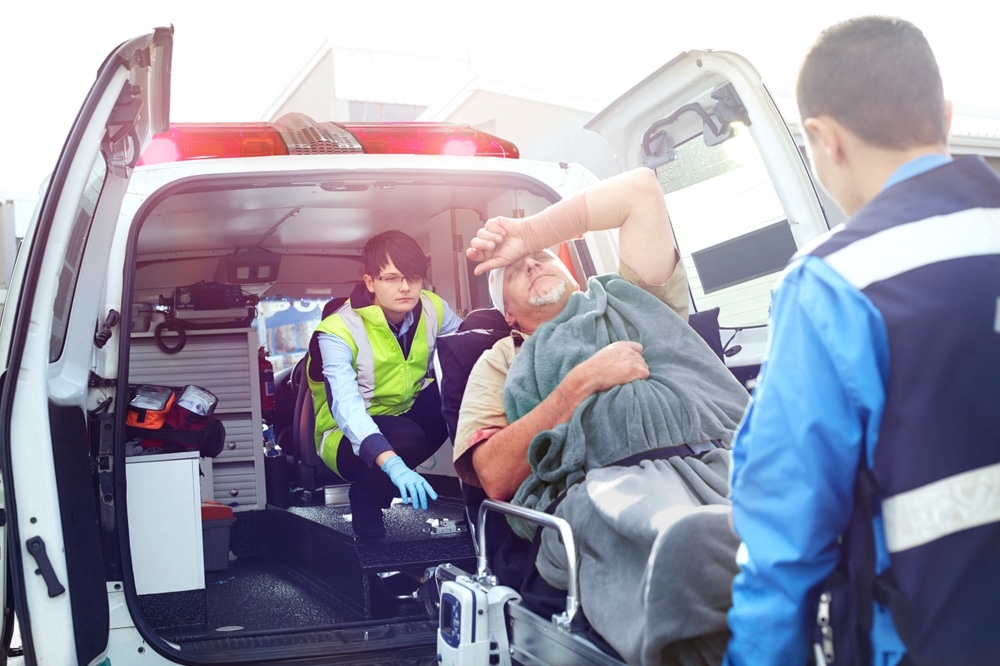
Recovering medical bills from a Detroit auto accident can feel overwhelming, especially when unexpected costs pile up after an injury. After a collision, medical expenses like hospital stays, surgeries, and rehabilitation can quickly become a financial burden. Michigan’s No-Fault insurance law is designed to help residents recover these costs, but navigating the system requires understanding deadlines, documentation, and coverage limits. This article will guide you through the process of recovering medical bills, explain how Michigan’s unique insurance laws work, and provide practical tips to ensure you receive the compensation you’re entitled to.
Understanding your rights under Michigan’s No-Fault law is crucial for anyone involved in a Detroit auto accident. The law ensures that medical expenses are covered regardless of who caused the accident, but there are steps you must take to access these benefits. Timing, thorough documentation, and knowledge of your policy’s terms play a critical role in securing full reimbursement. With proper guidance, you can avoid common pitfalls and maximize your recovery. For complex cases, consulting a trusted Detroit auto accident attorney, such as those at Ravid & Associates, can make a significant difference.
Understanding Michigan No-Fault Insurance Law
Michigan’s No-Fault insurance system is a cornerstone of the state’s approach to handling auto accidents. Under this law, your own insurance company pays for your medical expenses, lost wages, and other damages, regardless of who caused the accident. Personal Injury Protection (PIP) is the key component of No-Fault insurance, covering virtually all medical costs related to injuries sustained in an accident. This includes hospital stays, surgeries, rehabilitation, medications, and even home modifications if necessary. For Detroit residents, this means peace of mind knowing that their medical bills will be addressed promptly after an accident.
Since July 2020, Michigan’s No-Fault law has undergone significant changes, including the introduction of optional coverage levels for PIP benefits. Drivers can now choose policies with lower premiums but capped medical coverage, which makes it essential to understand your specific policy limits. These changes highlight the importance of reviewing your insurance carefully to ensure adequate protection. If you’re unsure about your coverage or need assistance navigating these updates, reaching out to a knowledgeable attorney at Ravid & Associates can provide clarity and guidance.
Which Insurance Pays Your Medical Bills?
In Michigan, determining which insurance pays your medical bills follows a clear order of priority. First, your own auto insurance policy’s PIP coverage takes responsibility for your medical expenses. If you don’t have auto insurance, your spouse’s policy or the policy of a relative living in your household may step in to cover the costs. This layered system ensures that most individuals have access to medical bill coverage, even if they aren’t directly insured. However, complications can arise if no applicable auto insurance exists within the household.
For uninsured individuals without access to a family member’s policy, the Michigan Assigned Claims Plan provides a safety net. This program assigns an insurer to pay for medical bills and other eligible expenses. While this option is invaluable for those without coverage, it’s important to act quickly, as delays can jeopardize your ability to recover costs. Understanding these provisions helps ensure that you pursue the correct avenue for reimbursement while avoiding unnecessary stress during an already challenging time.
What Medical Expenses are Covered?
Michigan’s PIP coverage is among the most comprehensive in the country, reimbursing a wide range of medical expenses related to auto accidents. Commonly covered costs include hospital stays, surgeries, physical therapy, prescription medications, and durable medical equipment like wheelchairs or crutches. Additionally, PIP benefits often extend to mileage reimbursements for traveling to medical appointments and home modifications required due to injuries. These provisions aim to support your full recovery without placing undue financial strain on you or your family.
While the scope of coverage is broad, it’s essential to provide proof of each expense to receive reimbursement. Itemized bills, medical records, and receipts serve as evidence that the costs were both necessary and reasonable. Failing to document your expenses thoroughly could result in denied claims or reduced payouts. Keeping meticulous records ensures that you can substantiate every dollar spent on your recovery journey.
Step-by-Step Process to Recover Medical Bills
The process of recovering medical bills begins with notifying your insurance company as soon as possible after an accident. Ideally, this should happen within 24 to 48 hours to preserve your rights to PIP benefits. Prompt notification allows your insurer to begin processing your claim efficiently. Once you’ve reported the incident, the next step is submitting a written application for no-fault benefits within one year of the accident. Missing this deadline can result in losing your right to recover certain expenses, so timeliness is critical.
After initiating your claim, gather all supporting documents, including medical bills, treatment records, and proof of payment. Submitting complete and accurate information reduces the likelihood of delays or denials. It’s also wise to keep copies of everything you send to your insurer for future reference. If the paperwork feels overwhelming, enlisting the help of a skilled attorney from Ravid & Associates can streamline the process and give you peace of mind.
Finally, stay proactive throughout the claims process by following up regularly with your insurer. Confirm receipt of your documents, inquire about the status of your claim, and address any requests for additional information promptly. Taking these steps demonstrates diligence and helps prevent unnecessary setbacks. Remember, persistence and organization are key to successfully recovering your medical bills after a Detroit auto accident.
Critical Deadlines and Statutes of Limitations
Deadlines are a critical aspect of recovering medical bills after a Detroit auto accident. In Michigan, you must submit your medical expenses to your insurer within one year of receiving treatment. Failure to meet this deadline could result in your insurer refusing to pay for those costs. Additionally, if you plan to file a personal injury lawsuit against the at-fault driver, you have three years from the date of the accident to do so. Missing either of these timelines can severely limit your ability to recover compensation.
These deadlines underscore the importance of acting swiftly and staying organized. Keep track of all treatment dates and submission timelines to ensure nothing falls through the cracks. If you’re concerned about meeting these deadlines or need help managing your claim, consulting an experienced attorney from Ravid & Associates can provide valuable support and expertise.
Documenting and Organizing Your Medical Bills
Proper documentation is the backbone of a successful claim for medical bill reimbursement. Start by collecting itemized bills from every healthcare provider you visit, along with detailed medical records explaining the treatments received. These documents serve as proof that the services were necessary and directly related to your injuries from the accident. Additionally, retain receipts for prescriptions, medical devices, and transportation costs associated with your care. Having a comprehensive record ensures you can substantiate every expense when filing your claim.
To stay organized, create a dedicated folder—either physical or digital—for storing all your documents. Sort them chronologically and label each file clearly for easy reference. Consistent organization not only simplifies the claims process but also prepares you in case disputes arise later. By taking these proactive steps, you position yourself for a smoother experience and increase your chances of recovering every dollar owed to you.
What to Do If Your Claim is Denied or Delayed
Claim denials or delays can be frustrating, but they’re not insurmountable obstacles. Common reasons for denial include missing deadlines, incomplete documentation, or disputes over whether the treatment was “reasonably necessary.” If your claim is denied, start by reviewing the denial letter carefully to understand the insurer’s reasoning. From there, gather any missing or additional documentation needed to strengthen your case. Providing clear evidence that addresses the insurer’s concerns can often lead to a reversal of the decision.
If the denial persists despite your efforts, it may be time to consult an attorney. A skilled lawyer can review your claim, identify potential errors, and guide you through the appeals process. They can also communicate with your insurer on your behalf, ensuring your rights are protected. To minimize delays, always comply with requests for information promptly and maintain open communication with your insurer. Taking these steps can help resolve issues efficiently and get your claim back on track.
Role of Attorneys in Recovering Medical Bills
Hiring an attorney can significantly benefit those facing challenges in recovering medical bills after a Detroit auto accident. Attorneys are particularly helpful in situations involving claim denials, complex injuries requiring extensive documentation, or disputes over coverage limits. Their expertise allows them to navigate Michigan’s intricate No-Fault laws and advocate effectively on your behalf. With an attorney’s assistance, you can focus on healing while they handle the legal intricacies of your case.
Experienced attorneys, such as those at Ravid & Associates, understand how to maximize your compensation by identifying all available avenues for recovery. They can also streamline the claims process, reducing stress and saving you time. Whether negotiating with insurers or appealing denied claims, their goal is to ensure you receive every penny you’re entitled to. For anyone struggling with a complicated claim, professional legal representation can make a world of difference.
Extra Compensation: What If the Other Driver Was at Fault?
If the other driver was at fault for your Detroit auto accident, you may be eligible for additional compensation beyond what PIP covers. While PIP benefits address medical expenses and lost wages, a separate negligence claim can seek damages for pain and suffering, emotional distress, and excess economic losses. This type of lawsuit requires proving the other driver’s liability, which often involves gathering police reports, witness statements, and expert testimony.
It’s important to distinguish between PIP benefits and traditional lawsuits. PIP focuses on immediate needs like medical bills and wage replacement, while a negligence claim aims to compensate for broader impacts of the accident. Given the complexity of pursuing extra compensation, working with a qualified attorney is highly recommended. They can evaluate the strength of your case, gather compelling evidence, and fight for the maximum settlement possible.
Special Situations and Exceptions
Special scenarios, such as accidents involving uninsured drivers, pedestrians, or bicyclists, require careful consideration. For instance, if you’re hit by an uninsured driver, the Michigan Assigned Claims Plan steps in to cover your medical bills. Similarly, pedestrians and bicyclists injured by vehicles in Detroit are typically covered under the driver’s PIP policy. However, knowing which insurance applies—and how to access it—can be confusing without proper guidance.
Out-of-state accidents present another layer of complexity. If you’re involved in an accident outside Michigan, your PIP benefits may still apply, but the rules governing recovery could differ. Navigating these exceptions requires attention to detail and a solid understanding of both Michigan and out-of-state laws. Consulting an attorney familiar with these nuances ensures you don’t miss out on vital compensation opportunities.
Tips to Maximize Your Reimbursement
To maximize your reimbursement for medical bills after a Detroit auto accident, timely reporting and thorough documentation are non-negotiable. Notify your insurer immediately after the accident and submit your written application for benefits within the one-year deadline. Collect and organize all relevant documents, including medical bills, treatment records, and proof of payment, to build a strong case for reimbursement. Following your doctor’s recommendations closely also strengthens your claim, as insurers often scrutinize whether treatments were reasonably necessary.
Avoid actions that could jeopardize your coverage, such as giving recorded statements without legal advice or failing to follow up on claims. Instead, focus on maintaining open communication with your insurer and seeking professional help when needed. An experienced attorney from Ravid & Associates can assist in navigating these complexities, ensuring you recover every dollar spent on your recovery.
Common Mistakes to Avoid
Many individuals inadvertently harm their chances of recovering medical bills by making common mistakes. One frequent error is missing the one-year deadline to submit medical expenses to the insurer, resulting in unpaid claims. Another pitfall is providing incomplete or disorganized documentation, which can delay processing or lead to denials. Losing important paperwork or failing to follow up on claims further compounds these issues, leaving victims frustrated and financially strained.
To avoid these pitfalls, establish a system for tracking deadlines and organizing documents early in the process. Double-check submissions for accuracy and completeness before sending them to your insurer. If you encounter difficulties or feel overwhelmed, don’t hesitate to seek professional assistance. An attorney can help you sidestep these common errors and ensure your claim proceeds smoothly.
FAQ: Recovering Medical Bills from a Detroit Auto Accident
How soon must I notify my insurance company after an accident?
You should notify your insurance company as soon as possible, ideally within 24 to 48 hours of the accident. Prompt notification preserves your rights to PIP benefits and allows your insurer to begin processing your claim efficiently.
What if I was a pedestrian or bicyclist?
If you were a pedestrian or bicyclist struck by a vehicle in Detroit, Michigan’s No-Fault insurance law generally covers your medical expenses under the driver’s PIP policy. Ensure you report the incident promptly and document your injuries thoroughly to secure reimbursement.
Are there caps or limits on the medical coverage available?
Yes, policy limits depend on your chosen PIP coverage level, especially since Michigan’s 2020 law changes allowed drivers to opt for capped benefits. Review your policy carefully to determine your coverage cap, or consult an attorney for clarification.
Can I recover medical bills if the other driver was uninsured or underinsured?
Yes, the Michigan Assigned Claims Plan provides coverage for medical bills if the at-fault driver is uninsured or underinsured. Timely filing is crucial to accessing these benefits, so act quickly to protect your rights.
What should I do if my insurer denies my medical bill claim?
If your claim is denied, review the denial letter, gather supporting documentation, and appeal within the required timeframe. Consider consulting an attorney to guide you through the appeals process and improve your chances of success.
Contact Our Detroit Car Accident Lawyers
Successfully recovering medical bills from a Detroit auto accident hinges on prompt action, meticulous documentation, and a solid understanding of Michigan’s No-Fault laws. Timely notification of your insurer, adherence to strict deadlines, and thorough record-keeping are essential steps to securing full reimbursement. By staying organized and proactive, you can navigate the claims process with confidence and avoid common pitfalls that might jeopardize your recovery.
If your claim becomes complex or encounters resistance, don’t hesitate to seek professional legal help. Attorneys at Ravid & Associates specialize in helping Detroit residents recover their medical expenses and can provide invaluable support during this challenging time. Gather your documents, act quickly, and remember that assistance is available to ensure you recover every dollar spent on your medical care after an auto accident. Call (248) 948-9696 to schedule a free initial consultation your potential case.

