
Truck Driver Fatigue And Liability in Michigan Accidents
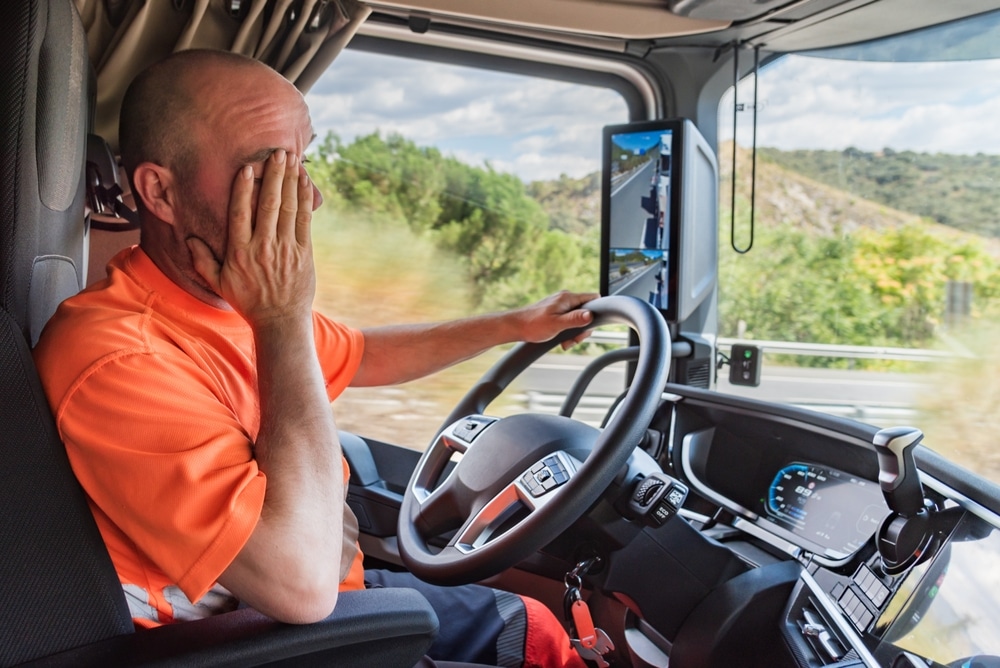
Truck driver fatigue is one of the most serious and preventable causes of catastrophic accidents on Michigan roads. Large commercial trucks require focus, quick reaction time, and sound judgment. When a driver is overtired, those abilities are reduced, often with devastating consequences. Fatigue can affect braking time, lane control, and awareness of surrounding traffic. In many cases, fatigued driving leads to high-speed collisions that cause severe injuries or fatalities.
We represent individuals and families harmed by truck accidents across Michigan, and fatigue is a factor we often see. These cases are not just about driver error. They often involve violations of federal safety regulations and trucking companies’ failures to monitor their drivers. Michigan law allows injured victims to pursue compensation, but proving fatigue requires careful investigation and a clear understanding of both state and federal rules.
How Fatigue Impacts Truck Driver Performance
Fatigue can impair a truck driver in ways similar to alcohol. Reaction time slows, decision-making becomes less reliable, and attention drifts. A fatigued driver may miss traffic signals, fail to notice stopped vehicles, or drift between lanes. In extreme cases, drivers fall asleep behind the wheel.
Commercial trucks can weigh up to 80,000 pounds. When a fatigued driver loses control, the damage is often severe. These crashes frequently involve rear-end collisions, lane departure accidents, and multi-vehicle pileups.
We focus on identifying fatigue signs early in a case. These may include inconsistent driving patterns, failure to brake before impact, or witness statements indicating the driver appeared drowsy.
Federal Hours Of Service Rules And Violations
Truck drivers are subject to federal safety regulations enforced by the Federal Motor Carrier Safety Administration. These rules limit how long a driver can operate a commercial vehicle without rest. Under 49 C.F.R. Part 395, drivers are generally limited to:
- 11 hours of driving after 10 consecutive hours off duty
- A 14-hour work window in a single shift
- Mandatory rest breaks during driving periods
- Weekly limits on total hours worked.
Violations of these rules are a key factor in many fatigue-related crashes. Drivers may exceed legal limits due to pressure from employers, tight delivery schedules, or financial incentives.
We obtain logbooks, electronic logging device data, and dispatch records to determine whether these rules were followed. If violations occurred, they can establish strong evidence of negligence.
Liability Under Michigan Personal Injury Law
Michigan law allows injured individuals to seek compensation when another party’s negligence causes harm. Under MCL §600.2955a, fault is allocated among all responsible parties. In truck accident cases, liability may extend beyond the driver.
Potentially responsible parties include:
- The truck driver
- The trucking company
- A third-party contractor or broker
- Maintenance providers
If a trucking company encouraged unsafe schedules or failed to enforce rest requirements, it may share responsibility for the crash. This is critical in cases involving fatigue, where systemic issues often play a role.
Michigan No-Fault Benefits And Truck Accident Claims
Michigan’s No-Fault system under MCL §500.3101 provides Personal Injury Protection benefits regardless of fault. These benefits may cover medical expenses, lost wages, and replacement services.
However, victims of truck accidents may also pursue third-party claims for pain and suffering under MCL §500.3135. To do so, the injury must meet the serious impairment of body function standard. Fatigue-related crashes often involve severe injuries that meet this threshold.
We evaluate both No-Fault benefits and third-party claims to ensure our clients pursue the full compensation allowed under Michigan law.
Evidence Used To Prove Driver Fatigue
Fatigue cases require detailed evidence. We build these claims using multiple sources, including:
- Electronic logging device data
- Driver logbooks and time records
- GPS tracking information
- Dispatch and delivery schedules
- Maintenance and inspection records
We also review driver history to determine whether prior violations occurred. Patterns of non-compliance can strengthen a claim against both the driver and the trucking company.
Preserving this evidence early is critical. In some cases, companies may attempt to limit access to records. We take steps to secure and review this information before it is lost.
Why Fatigue Cases Require Immediate Legal Action
Truck accident cases involving fatigue are time-sensitive. Evidence can disappear, and companies may act quickly to protect their interests. Early investigation allows us to identify violations, preserve records, and build a strong case.
We work to hold all responsible parties accountable. This includes pursuing compensation for medical costs, lost income, pain and suffering, and long-term care needs.
Frequently Asked Questions About Truck Driver Fatigue And Liability
What Are The Signs That A Truck Driver Was Fatigued Before A Crash?
Fatigue can be identified through several indicators. These may include a lack of braking before impact, drifting between lanes, or inconsistent speed. Witness statements may describe the driver appearing drowsy or inattentive. In addition, electronic logging data and work schedules can show whether the driver exceeded legal limits. When combined, this evidence can help establish that fatigue played a role in the crash.
Can A Trucking Company Be Held Liable For A Fatigued Driver?
Yes. Trucking companies have a legal duty to ensure that drivers follow federal safety rules. If a company encourages long hours, ignores violations, or fails to monitor driver logs, it may be held responsible. Liability is not limited to the driver alone. Under Michigan law, multiple parties can share responsibility for an accident.
How Do Federal Regulations Affect A Michigan Truck Accident Case?
Federal regulations set safety standards for commercial drivers. Violations of these rules can be used as evidence of negligence in a Michigan injury claim. If a driver exceeded hours-of-service limits or falsified records, that information can support a claim for damages.
Does Michigan No-Fault Insurance Apply To Truck Accidents?
Yes. Injured individuals may receive Personal Injury Protection benefits regardless of fault. These benefits cover medical expenses and wage loss. However, additional compensation may be pursued through a third-party claim if the injury meets the serious impairment threshold.
What Types Of Damages Can Be Recovered In A Fatigue-Related Truck Accident Case?
Victims may recover economic and non-economic damages. This includes medical bills, lost wages, future care costs, and pain and suffering. The amount depends on the severity of the injuries and the level of fault assigned to each party.
How Long Do I Have To File A Truck Accident Claim In Michigan?
In most cases, personal injury claims must be filed within three years under MCL §600.5805. No-Fault claims may have additional notice requirements. Acting quickly helps preserve evidence and protect your legal rights.
Talk To Our Truck Accident Attorneys For Legal Help With Your Injury Claim
Truck driver fatigue can lead to life-changing injuries and complex legal claims. We investigate these cases thoroughly, identify violations, and pursue accountability for those responsible. Our team focuses on building strong claims supported by evidence and Michigan law.
If you were injured in a truck accident involving driver fatigue, call our Detroit truck accident attorneys at Ravid & Associates, P.C. today by calling (248) 948-9696 to receive your free consultation. We represent clients in Detroit and throughout Michigan from our Southfield, Michigan, office. Let us help protect your rights and pursue the compensation you deserve.

