
The Most Dangerous Streets For Pedestrians In Detroit
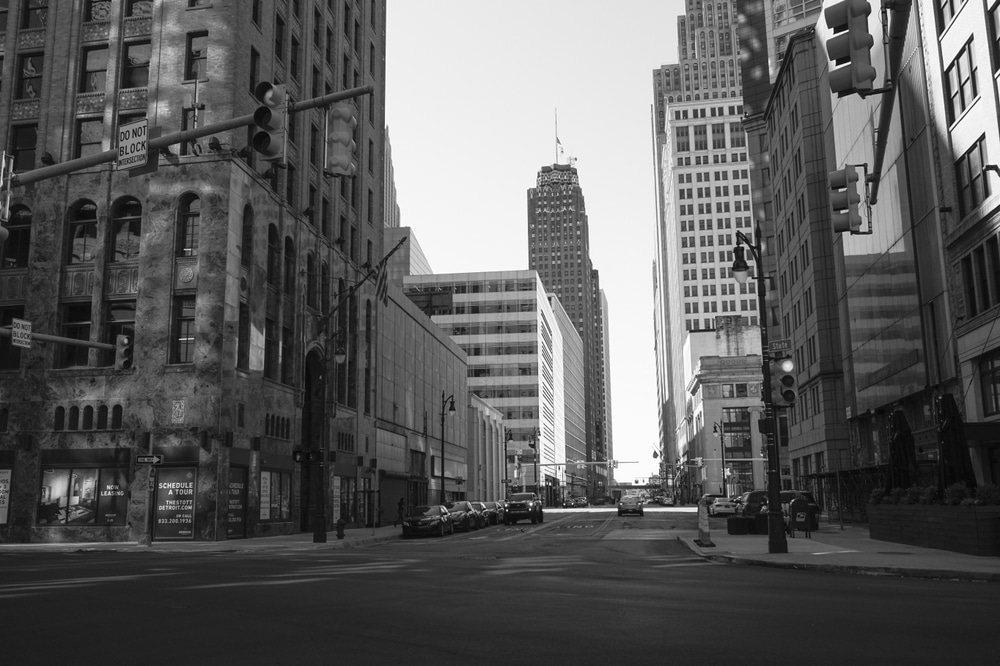
As pedestrian accident attorneys in Detroit and the surrounding areas, we often see how a walk across a seemingly ordinary street can turn dangerous in an instant. The risk is real—and in Detroit, some streets are more hazardous than others. Understanding which corridors present elevated danger, and why, can help pedestrians stay alert and strengthen legal claims when an accident occurs. Under Michigan law, injured pedestrians may pursue compensation under no-fault and negligence principles, provided certain legal thresholds are met.
Detroit’s Pedestrian Risk Profile
Detroit continues to grapple with one of the highest pedestrian fatality rates among major U.S. cities. In fact, traffic death rates in Detroit, especially pedestrian-involved fatal crashes, are well above those of comparable cities. Major thoroughfares, limited crosswalks, high-speed traffic, and incomplete infrastructure all contribute. The city’s “High Injury Network” and safety plans name corridors where fatalities and serious injuries cluster.
According to crash hotspot data, streets such as Gratiot Avenue, Grand River Avenue, 7 Mile Road, Jefferson Avenue, Mack Avenue, Michigan Avenue, and Vernor Highway consistently appear in analyses of pedestrian crashes. These roads combine heavy vehicle volume, multiple lanes, and a lack of pedestrian priority features to create dangerous conditions for people on foot.
Why These Corridors Are So Dangerous
High Traffic Volume With Fast-Moving Vehicles
Major corridors in Detroit were designed for vehicle throughput. Wide lanes, long signal spacing, and traffic speeds often exceed what is safe for people attempting to cross. On busy corridors, drivers may not anticipate pedestrians or may have limited reaction time.
Sparse Crossings And Limited Infrastructure
Many dangerous roads have long blocks between signalized intersections or crosswalks. When crossings are limited, pedestrians may feel compelled to cross mid-block or at unmarked points, increasing collision risk.
Poor Lighting And Visibility
At night or in low-light conditions, inadequate street lighting and lack of reflective markings make pedestrians harder to see—especially on wide streets or curves.
Driver Behavior And Traffic Violations
Speeding, failure to yield, distracted driving, and running red lights are recurring factors in pedestrian collisions. When drivers disregard crosswalks or signals, the danger intensifies.
Uneven Or Damaged Sidewalks And Curb Cuts
Sidewalks that are cracked or missing, or curb ramps that are unusable, push pedestrians closer to vehicular lanes. When the pedestrian path is forced into travel lanes, the risk multiplies.
Legal Framework Under Michigan Law
In Michigan, pedestrians struck by vehicles are generally protected by the no-fault insurance system. Even without proving fault, injured pedestrians may obtain Personal Injury Protection (PIP) benefits for medical expenses and wage losses. However, to recover non-economic damages like pain and suffering, a claim must typically show a serious impairment of body function.
In addition to no-fault claims, injured pedestrians may pursue negligence claims against the driver and potentially other parties (such as the city or road owner) when infrastructure defects or improper design contribute to injury. Michigan’s comparative fault doctrine allows compensation to be reduced if the pedestrian shares some fault, but recovery is barred if the pedestrian bears more than 50% of fault.
When government entities are involved—say, for failing to maintain crosswalks or signals—there are additional procedural requirements and notice deadlines under Michigan’s governmental immunity statutes, making prompt legal action essential.
How Knowledge Of Dangerous Streets Affects Legal Claims
Knowing that a crash occurred on a known high-risk corridor can help in developing claims. It allows attorneys to:
- Present patterns of collisions on the same street as evidence of dangerous conditions.
- Use city or state safety plans (e.g., Detroit’s safety action plan) to argue that the city should have known about the risk and acted.
- Demand infrastructure analyses or expert testimony regarding road design, signage, crosswalk placement, and lighting.
- Show that the driver should have anticipated pedestrian presence on that corridor.
In short, the choice of location and historical data can improve a claim’s strength when negligence or liability defenses exist.
Safety Tips For Pedestrians On Detroit Streets
While legal rights matter after an accident, safety precautions help prevent them. On Detroit’s risk corridors, pedestrians should:
- Cross only at signalized intersections when available
- Wait for walk signals and avoid crossing mid-block
- Wear visible clothing, especially at night
- Make eye contact with drivers before entering crosswalks
- Avoid distractions like headphones or phones when crossing
- Use sidewalks and designated paths; if none, walk facing traffic well off the roadway
Frequently Asked Questions About Detroit Pedestrian Accidents
Why Are Certain Detroit Streets More Dangerous For Pedestrians?
Some streets combine heavy vehicle flows, limited pedestrian crossings, poor lighting, and high speeds. On corridors like Gratiot or Grand River, these factors converge, creating conditions where even a small error by driver or pedestrian can have severe consequences.
How Does No-Fault Insurance Protect Injured Pedestrians?
In Michigan, pedestrians who are hit by a car may be eligible for PIP benefits to cover medical bills and lost wages, regardless of fault. These benefits are typically paid by the at-fault driver’s policy. But PIP does not cover pain and suffering—that requires a successful negligence claim.
What Does “Serious Impairment Of Body Function” Mean In Michigan?
To recover non-economic damages, injured pedestrians must show their injury noticeably limits a major part of daily life, such as mobility, major bodily functions, or the ability to care for oneself. Not every fracture or injury meets this threshold.
Can A City Or Road Agency Be Held Liable For A Crash On A Dangerous Street?
Yes—if the plaintiff can show that the city or agency had notice of the hazard, failed to correct it, and that omission contributed to the crash. But claims against government entities involve strict notice procedures and shorter deadlines, so time is critical.
How Does Shared Fault Affect Recovery?
Under Michigan’s comparative fault rule, if a pedestrian is partially responsible (for example, crossing outside crosswalks), their compensation is reduced in proportion to their share of fault. But if more than 50% at fault, they generally cannot recover at all.
How Quickly Should Legal Action Be Taken After A Pedestrian Crash?
Prompt action is essential. Evidence—such as vehicle damage, traffic camera footage, witness statements, and road conditions—can vanish over time. Also, claims against municipalities may require timely written notices, and statutes of limitation govern how long claims remain viable.
Call Ravid & Associates, P.C. For Your Free Consultation
At Ravid & Associates, P.C., we represent pedestrians injured in Michigan’s toughest corridors. We understand both the legal complexities and the physical, emotional toll of serious pedestrian accidents. If a loved one was struck walking, especially on Detroit’s dangerous streets, we can help map a path to recovery and accountability.
Contact our Detroit personal injury attorneys at Ravid & Associates, P.C. today by calling (248) 948-9696 to receive your free consultation. Serving clients in Detroit and across Michigan from our Southfield office, we are ready to fight for justice and full compensation under Michigan’s injury laws.

