
Shopping Mall Slip-And-Fall Injury Claims In Detroit Michigan
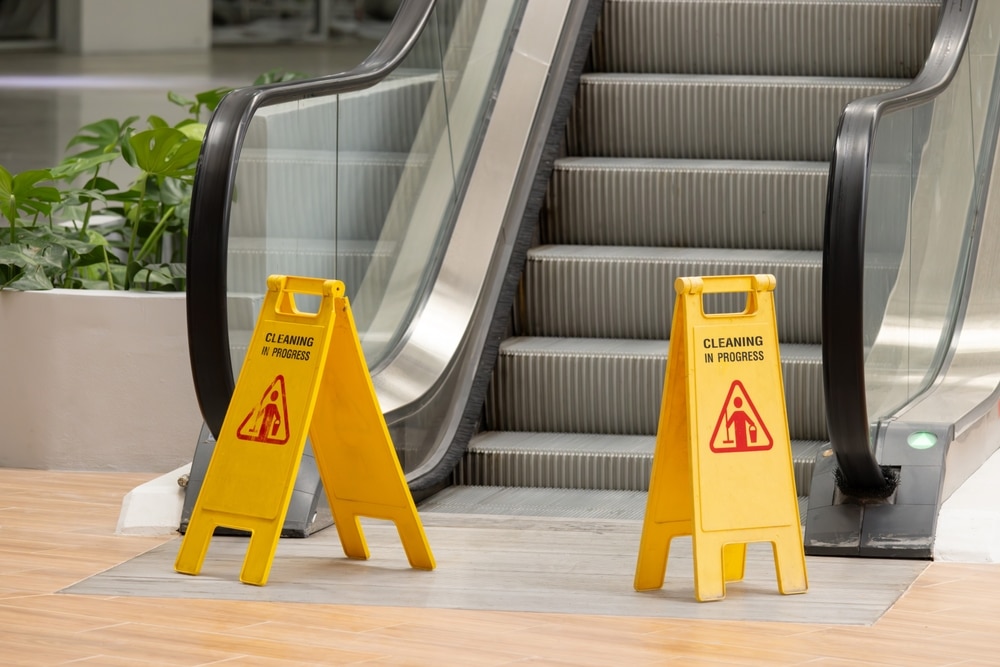
Your Legal Rights After A Slip-And-Fall Accident At Detroit Shopping Center
Shopping malls are high-traffic spaces filled with shoppers, families, and employees every day. With so many people moving through these environments, mall property owners and store operators have a legal responsibility to maintain safe premises. Unfortunately, when that duty is breached, through wet floors, poor lighting, icy walkways, or broken stairs, serious slip-and-fall injuries can happen. In the Detroit metro area, we’ve seen firsthand how these incidents disrupt lives, causing not just physical pain but financial hardship. Holding the responsible parties accountable often requires legal action grounded in Michigan’s premises liability laws.
Under Michigan law, injured victims may be entitled to compensation when a fall results from negligence. But liability isn’t automatic. Proving fault, documenting damages, and understanding the defenses that property owners may use are critical. That’s where a personal injury claim comes into play.
Legal Responsibility Under Michigan Premises Liability Law
Michigan Compiled Laws § 554.139 and § 600.2951 govern premises liability in many personal injury cases, including slip-and-fall incidents. In essence, property owners, such as mall operators and retail tenants, have a duty to exercise reasonable care to protect lawful visitors from known hazards or conditions they should reasonably anticipate.
To succeed in a claim, we must show:
- The property owner owed a duty of care.
- That duty was breached through negligent maintenance or failure to warn of hazards.
- The breach caused the fall, and
- The victim suffered damages as a result.
The law classifies visitors as invitees, licensees, or trespassers. Shoppers at a mall are considered invitees, which means they are owed the highest level of protection. Mall owners must routinely inspect the premises and fix or warn about potential hazards. Failing to do so can expose them to liability.
Common Hazards Leading To Slip-And-Fall Injuries
In our experience, the most common causes of slip-and-fall injuries inside shopping malls include:
- Wet or recently mopped floors with no warning signs.
- Snow and ice accumulation at entrances or in parking lots.
- Loose floor mats or torn carpeting.
- Leaking refrigeration or plumbing systems.
- Spilled liquids or food in food courts or walkways.
- Poor lighting in stairwells or parking structures.
- Escalator and elevator defects.
Michigan’s harsh winters make outdoor falls a serious concern. Property owners are not automatically liable for every icy condition, but if they failed to address a known accumulation or ignored weather forecasts, they can be held responsible. Under Michigan law, the “open and obvious” doctrine may be used by the defense, but it doesn’t always bar recovery. Courts also consider whether the hazard had special aspects making it unavoidable or unreasonably dangerous.
What You Need To Prove In A Slip-And-Fall Case
Establishing liability in a slip-and-fall case is rarely straightforward. We work closely with injured clients to document every aspect of their case. That includes:
- Securing surveillance footage.
- Photographing the hazard as it appeared at the time of the fall.
- Interviewing witnesses and employees.
- Reviewing maintenance logs and inspection policies.
- Proving the owner had notice of the dangerous condition (actual or constructive notice) .
- Demonstrating how the condition directly caused the injury.
Medical documentation is also critical. Emergency room records, physician evaluations, diagnostic imaging, and physical therapy reports all help establish the extent of harm. Lost wages, pain and suffering, future medical expenses, and reduced earning capacity are among the damages that may be recovered.
How Long Do You Have To File A Claim?
Under Michigan law (MCL § 600.5805), the statute of limitations for filing a personal injury lawsuit is generally three years from the date of the accident. This makes it essential to take legal action promptly. Waiting too long could prevent recovery altogether, no matter how strong your case may be.
Why Legal Representation Matters
Shopping mall slip-and-fall claims can involve multiple parties, such as mall owners, individual store tenants, maintenance companies, or third-party vendors. Each may try to shift blame. Insurance companies may try to offer quick, lowball settlements or argue that your injury was caused by your own negligence. As your attorneys, we take over the legal process so you can focus on recovery. We gather evidence, handle communications with insurers, negotiate settlements, and, when necessary, litigate in court to fight for the compensation you deserve.
Frequently Asked Questions About Detroit Mall Slip-And-Fall Cases
What Should I Do Immediately After A Slip-And-Fall In A Shopping Mall?
You should report the incident to mall management or store personnel right away and request a written incident report. Seek medical attention even if you feel fine, as some injuries may not appear immediately. Document the scene by taking photos of the area, your clothing, shoes, and any visible injuries. Get contact information from any witnesses and avoid making any recorded statements to the insurance company until you’ve spoken with an attorney.
Can I Still Sue If There Was A “Wet Floor” Sign Present?
Possibly. While a warning sign may reduce liability, it does not automatically eliminate the property owner’s responsibility. If the condition was still unreasonably dangerous, such as excessive water, poor lighting, or a lack of alternatives to avoid the hazard, you may still have a valid claim. Courts evaluate whether the precautions taken were reasonable under the circumstances.
How Does Michigan’s “Open And Obvious” Doctrine Affect My Case?
Under this doctrine, property owners are generally not liable for hazards that are considered “open and obvious” to a reasonable person. However, there are exceptions. If the condition had “special aspects” making it unreasonably dangerous or effectively unavoidable, you may still be able to recover. Our legal team evaluates these arguments and prepares counter-evidence if necessary.
Can I Sue If I Fell In A Parking Lot Or Outside The Mall?
Yes, outdoor areas like sidewalks and parking lots are part of the premises and must be reasonably maintained. If snow or ice was allowed to accumulate for an unreasonable amount of time, or if lighting was inadequate, you may have a valid claim. Our attorneys will investigate whether the mall followed proper winter maintenance procedures and had adequate inspection protocols in place.
Who Can Be Held Liable In A Shopping Mall Slip-And-Fall Case?
Depending on the circumstances, multiple parties could share responsibility. The mall owner, property management company, individual store tenant, or cleaning contractor may all be liable. For example, if a store employee failed to clean a spill, that store may be at fault. If the mall failed to maintain common areas, it may bear liability. We identify all potential defendants to maximize your claim.
Call Ravid & Associates, P.C. Today For Help With A Slip-And-Fall Injury
If you were injured in a fall at a Detroit shopping mall, don’t wait. Slip-and-fall injuries can lead to costly medical bills, lost wages, and lasting physical limitations. We’ve helped countless Michigan residents recover compensation for their injuries, and we’re ready to fight for you.
Contact our Detroit premises liability lawyer by calling (248) 948-9696 to receive your free consultation. We represent clients in Detroit and throughout the entire state of Michigan from our Southfield office location. Let us help you understand your rights and explore your legal options today.

