
Multi-Vehicle Accident Claims Explained
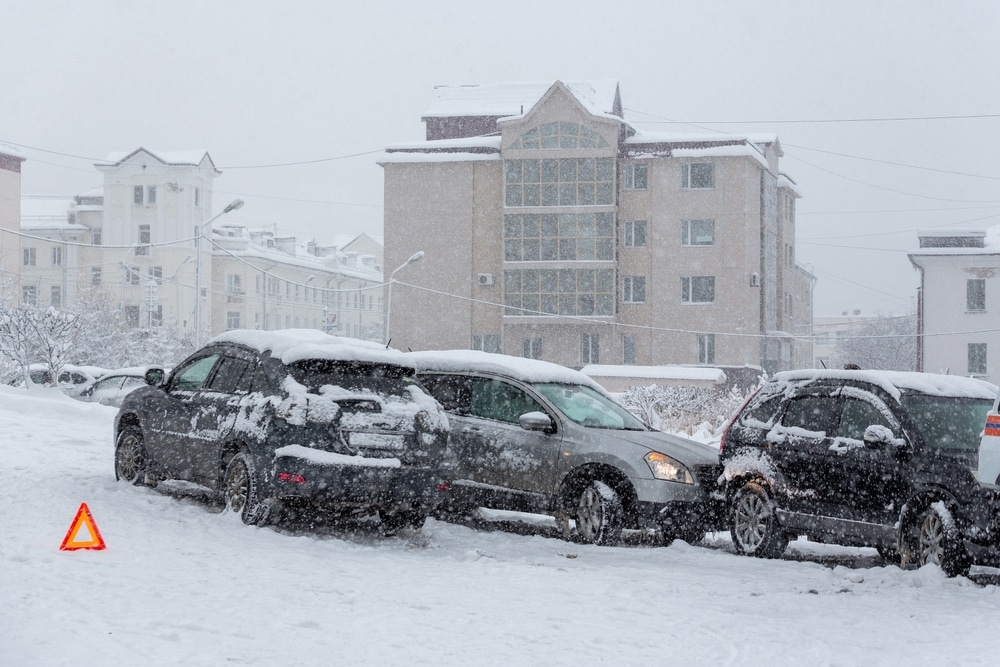
Multi-vehicle accidents are among the most complex cases in Michigan personal injury law. These incidents typically involve three or more vehicles, conflicting accounts, and several insurance companies seeking to limit liability. Unlike two-car collisions, liability is rarely clear. One driver’s actions can cause a chain reaction, complicating the determination of legal responsibility.
We represent clients injured in multi-vehicle accidents throughout Michigan and recognize how quickly these cases become complex. Determining fault requires thorough investigation, strong evidence, and a clear understanding of Michigan law. Even when responsibility is shared, injured individuals may still recover compensation. Identifying fault distribution and supporting your claim with evidence are essential.
How Multi-Vehicle Accidents Happen
Multi-vehicle crashes frequently occur on highways, at busy intersections, and during adverse weather. Common causes include:
- Sudden stops leading to chain-reaction rear-end collisions.
- Distracted driving by multiple drivers
- Speeding that reduces reaction time.
- Hazardous road conditions such as ice or heavy rain
- Involvement of commercial vehicles, which can increase impact severity
Often, the initial impact triggers additional collisions. For example, one driver may rear-end another vehicle, pushing it into traffic and causing further crashes. Each collision may raise separate legal questions regarding fault.
Determining Fault Under Michigan Law
Michigan applies a modified comparative fault system under MCL §600.2959 and MCL §600.6304. This means fault can be divided among multiple parties, including several drivers involved in the same crash. Each party is assigned a percentage of responsibility based on its actions.
For example, one driver may be found 60 percent responsible for initiating the crash, while another driver may be 20 percent responsible for failing to avoid impact. Additional drivers may share smaller percentages depending on their conduct.
An injured person can still recover compensation as long as they are not more than 50 percent at fault for non-economic damages. However, their recovery will be reduced in proportion to their share of responsibility. This makes accurate fault allocation critical in multi-vehicle claims.
The Role Of Michigan No-Fault Insurance
Michigan’s No-Fault Insurance Act (MCL §500.3101) plays a major role in multi-vehicle accident cases. Under this system, injured individuals may receive Personal Injury Protection (PIP) benefits regardless of fault. These benefits can include medical expenses, wage loss, and replacement services.
However, PIP benefits do not cover pain and suffering or full economic losses in serious cases. To recover those damages, an injured person must file a third-party claim against the at-fault driver or drivers. This requires proving fault and meeting the threshold for serious impairment of body function under MCL §500.3135.
In multi-vehicle accidents, there may be multiple third-party claims depending on the distribution of fault. Each claim must be supported with evidence showing how the defendant contributed to the crash.
Challenges In Multi-Vehicle Accident Claims
These cases present several legal challenges:
- Conflicting witness statements
- Disputes between insurance companies
- Multiple liability policies and coverage limits
- Difficulty identifying the initial cause of the crash
- Attempts to shift blame between drivers
Insurance companies often argue that another driver was responsible for reducing their own liability. Without strong evidence, injured individuals may be unfairly assigned a higher percentage of fault.
We address these challenges by conducting a thorough investigation, reviewing crash reports, obtaining vehicle data, and working with accident reconstruction professionals when necessary.
Our focus is on establishing a clear sequence of events and holding each responsible party accountable.
Evidence That Strengthens A Multi-Vehicle Claim
Building a strong case requires detailed evidence. Important sources include:
- Police reports documenting the crash scene.
- Dashcam or surveillance footage
- Photographs showing vehicle positions and damage
- Witness statements from drivers and bystanders
- Black box data from involved vehicles
This evidence helps establish how the crash occurred and supports accurate fault allocation. In many cases, early evidence collection can make the difference between a denied claim and a successful recovery.
Why Legal Representation Matters
Multi-vehicle accident claims involve multiple parties, competing legal arguments, and significant financial stakes. Insurance companies often act quickly to protect their interests. Without proper representation, injured individuals may receive reduced settlements or have their claims denied.
We work to protect our clients by identifying all liable parties, challenging unfair fault assignments, and presenting strong evidence to support the claim. Every case requires a tailored approach based on the facts and applicable Michigan law.
FAQs About Multi-Vehicle Accident Claims In Michigan
Who Is Liable In A Multi-Vehicle Car Accident In Michigan?
Liability depends on each driver’s actions. Michigan law allows fault to be divided among multiple parties under MCL §600.2959. A driver who caused the initial collision may carry significant responsibility, but other drivers may also share fault if they contributed to the crash. Each case requires a detailed review of the evidence.
Can I Recover Damages If Multiple Drivers Caused The Accident?
Yes. You may pursue claims against one or more at-fault drivers. Your total recovery will depend on the percentage of fault assigned to each party. Even if you share some responsibility, you may still recover damages as long as you are not more than 50 percent at fault for non-economic damages.
How Does No-Fault Insurance Apply In These Cases?
No-fault insurance provides PIP benefits regardless of fault. This includes medical expenses and wage loss. However, to recover pain and suffering or excess damages, you must file a third-party claim and meet the serious impairment threshold under MCL §500.3135.
What If Insurance Companies Disagree About Who Caused The Crash?
Disputes between insurers are common in multi-vehicle cases. Each company may attempt to shift blame to another party. These disputes can delay settlements and reduce compensation. A thorough investigation and strong legal advocacy are important to resolve these conflicts.
How Long Do I Have To File A Claim In Michigan?
Most personal injury claims must be filed within three years under MCL §600.5805. However, claims for no-fault benefits have shorter deadlines, including a one-year rule for certain benefits under MCL §500.3145. Acting quickly helps preserve your rights.
What Should I Do After A Multi-Vehicle Accident?
Seek medical attention immediately and report the accident to law enforcement. Document the scene if possible and avoid making statements about fault. Early legal guidance can help protect your claim and preserve critical evidence.
Talk To Our Detroit Multi-Vehicle Accident Attorneys
Multi-vehicle accidents require careful legal analysis and strong advocacy. We represent injured individuals throughout Michigan and work to hold all responsible parties accountable. Our team builds each case with detailed evidence and a clear, results-focused strategy.
If you were injured in a multi-vehicle accident, call our Detroit auto accident attorneys at Ravid & Associates, P.C. today by calling (248) 948-9696 to receive your free consultation. We represent clients in Detroit and throughout Michigan from our Southfield, Michigan, office. Let us help protect your rights and pursue the compensation you deserve.

