
Michigan Motorcycle Helmet Laws
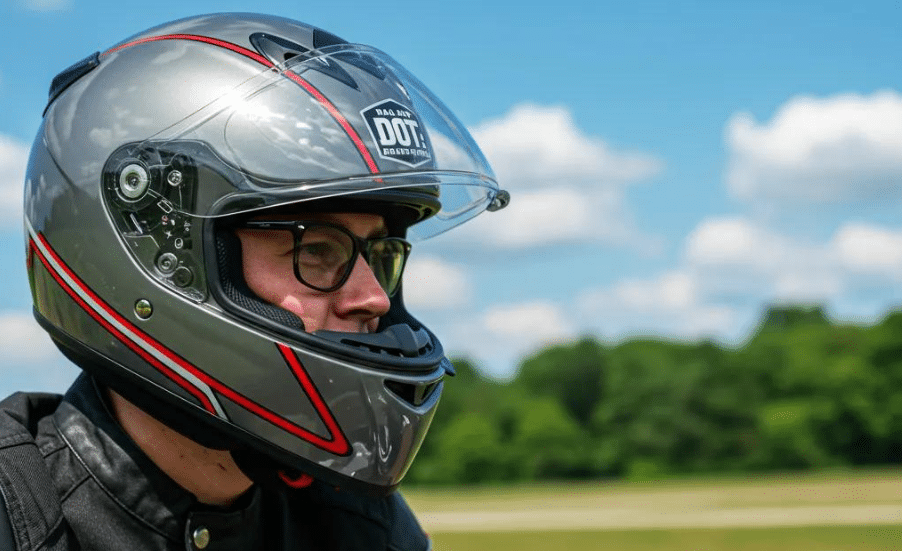
Motorcycle helmet requirements in Michigan have shifted from a universal mandate to a conditional framework that balances rider choice, public safety, and insurance prerequisites. This guide explains the current legal baseline for 2026, clarifies who must wear a helmet and who may ride without one, and shows how helmet use intersects with insurance and personal injury claims.
Readers will learn practical steps for compliance, how to verify helmet DOT standards, and what evidence matters after a crash to protect legal rights. The article also traces the legislative history around the 2012 repeal, reviews safety research, and outlines other relevant motorcycle laws like eye protection and moped distinctions.
What Are the Current Michigan Motorcycle Helmet Law Requirements in 2026?
Michigan’s helmet law in 2026 establishes a general safety expectation while allowing specific exemptions for qualified riders, insurance-covered operators, and properly endorsed motorcyclists. The legal baseline requires helmets for certain rider groups, and when helmets are required they must meet federal DOT standards; this intersection of safety standards and statutory exemptions affects both traffic enforcement and insurance claims.
Clear documentation of insurance coverage and rider endorsement or training is the central means of demonstrating eligibility for exemptions, so understanding what to carry and how to prove it at a crash scene is critical. The following concise list captures the exemption framework that riders most commonly encounter.
Key exemption conditions that commonly allow riding without a helmet in Michigan:
- Age 21 or older: Riders 21+ may qualify for exemption under stated conditions.
- $20,000 first-party medical benefits: Having at least $20,000 in first-party medical benefits insurance is a statutory condition for helmetless eligibility.
- Motorcycle endorsement or experience: A valid motorcycle endorsement, two years of riding experience, or completion of an approved safety course can satisfy the training requirement.
| Rider Category | Exemption Criteria | DOT Requirement When Helmet Worn |
|---|---|---|
| Riders under 21 | No exemption; helmet required | Helmet must meet DOT standard |
| Riders 21 and older | $20,000 first-party medical benefits plus required endorsement or two years’ experience / safety course | DOT standard applies if rider chooses to wear a helmet |
| Moped operators | Distinct rules apply depending on vehicle classification and licensing | Depends on moped classification |
| Passengers | Tied to operator’s exemption status and passenger age | DOT standard applies when helmet is required |
This table clarifies the primary elements riders should confirm before deciding to ride without a helmet, and the next section explains who specifically falls under mandatory helmet rules and how to document exemption qualifications.
Who Must Wear a Helmet Under Michigan Law?
Riders under the age threshold are the clearest mandatory group: anyone younger than 21 generally must wear a helmet while operating or riding on a motorcycle. This rule extends to passengers who are minors and to operators of certain vehicle classes that are not covered by the conditional exemption framework. Law enforcement and insurers typically treat under-21 operators as non-exempt, so helmet compliance for younger riders is both a traffic safety and a claims-preservation concern.
Documenting age and rider status is straightforward at a crash scene, and failing to meet mandatory helmet criteria may complicate criminal or civil liability assessments. Understanding these age-based distinctions leads directly into how insurance and endorsements create exceptions for older riders.

How Do Motorcycle Endorsements and Safety Courses Affect Helmet Law Compliance?
A valid motorcycle endorsement or documented riding experience (commonly two years) or completion of an approved motorcycle safety course typically satisfies the statutory training requirement for helmet exemptions. Endorsements issued by the state evidence a level of tested competence that legislators used to justify adult exemptions, and certified safety courses provide an alternative path for newer riders to qualify.
Riders should retain endorsement documentation or course completion certificates and carry them while riding; these records serve as practical proof in traffic stops and post-accident investigations. Knowing which courses are recognized and how endorsement duration is calculated helps riders confirm eligibility and avoids surprises during enforcement actions or insurance reviews.
What Are the DOT Standards for Approved Motorcycle Helmets in Michigan?
When helmets are required or when a rider chooses to wear one, Michigan follows federal DOT helmet safety standards; a DOT sticker or label indicates compliance with minimum federal impact and retention testing. The DOT standard involves helmet construction elements—helmet shell, liner, chin strap, and labeling—that collectively reduce head injury risk in crashes.
Consumers can verify DOT compliance by inspecting the helmet for official markings and checking fit factors such as snugness over the temple, secure chin strap, and appropriate coverage of the skull. Proper fit and DOT certification not only enhance protection but also strengthen evidence that a rider used accepted safety equipment if helmet use becomes relevant in legal proceedings.
How Does Michigan’s Helmet Law Differ for Mopeds and Passengers?
Mopeds are often regulated differently from motorcycles; helmet requirements for moped operators can vary based on vehicle classification, speed capability, and operator licensing status. Passengers’ obligations likewise depend on the operator’s exemption eligibility and passenger age; for instance, a minor passenger often remains required to wear a helmet even if the adult operator qualifies for an exemption.
Practical comparison of these distinctions clarifies common scenarios like two-up riding with an older operator or riding a low-speed moped on local streets. Riders should verify vehicle classification and passenger age rules to determine helmet obligations before riding.
What Are the Legal Consequences of Riding Without a Helmet Without Meeting Exemptions?
Riding without a helmet when not legally exempt can lead to traffic citations and fines, and it can materially affect insurance evaluations and civil claims. Insurers may use helmet non-use as a factor in mitigation or comparative negligence arguments, seeking to reduce payouts by asserting increased risk of head injury or failure to mitigate damages.
In personal injury lawsuits, helmet non-use can be presented by defendants to question the extent of injuries or the claimant’s care under the circumstances. These potential legal consequences underscore why understanding exemption criteria and carrying documentary proof is essential for any rider choosing to forego a helmet.
How Has Michigan’s Motorcycle Helmet Law Evolved Over Time?
Michigan’s helmet statute has moved from a universal mandate to a conditional, adult-focused exemption regime after legislative changes in 2012, reflecting policy debates balancing individual freedom against public-health impacts. The historical arc matters because it shapes current enforcement practices, legislative prospects, and empirical study design for assessing safety outcomes.
Researchers and policymakers often compare pre- and post-repeal data to evaluate helmet use rates, head injury trends, and medical cost implications, and those comparisons inform ongoing discussions about whether further changes are warranted. The timeline below highlights key phases and leads into evidence on safety impacts.
A brief legislative timeline:
- Pre-2012: Universal helmet law in effect for all riders.
- 2012: Repeal of universal mandate; conditional exemptions created for adults meeting certain criteria.
- Post-2012 to present: Ongoing analysis of safety and claim outcomes influencing debates about policy adjustments.
This sequence sets up examination of the former universal law’s features and the legislative changes that produced the current scheme.
What Was Michigan’s Universal Helmet Law Before the 2012 Repeal?
Before the 2012 legislative change, Michigan maintained a universal helmet law requiring all motorcycle operators and passengers to wear helmets regardless of age or insurance status. That universal approach prioritized maximal protection across the riding population and aligned with federal safety recommendations that widespread helmet use reduces head injuries and fatalities.
Enforcement practices under a universal law were often simpler because exemption categories were minimal or non-existent, and helmet compliance was a straightforward violation to adjudicate. The next section analyzes the legislative factors that led to the repeal and the policy arguments presented at the time.
What Legislative Changes Led to the 2012 Helmet Law Repeal?
The 2012 repeal resulted from legislative actions that shifted the statutory framework to permit adult exemptions tied to insurance and training, often framed by proponents as enhancing personal choice while ostensibly preserving medical payment protections through first-party benefits thresholds. Debates around the repeal emphasized individual liberty, regulatory burden, and the financial mechanics of no-fault medical coverage.
Legislative sponsors and opponents cited different empirical claims about safety and costs, and the enacted changes reflect a political compromise that moved away from universal mandates toward conditional eligibility. This backdrop helps explain why contemporary policy discussions often revisit the balance between choice and public-health outcomes.
How Has the Repeal Impacted Motorcycle Safety and Injury Rates?
Post-repeal research and surveillance have examined changes in helmet use, head injuries, and fatalities; multiple studies suggest declines in helmet use and increases in head injury rates in some populations following relaxation of universal requirements. Recent analyses through the 2020s continue to explore correlations between law changes and emergency-department case mix, hospital admissions, and long-term medical costs.
While causation is complex and influenced by rider demographics and exposure, policymakers and safety advocates use these trends to argue for targeted interventions such as promoting DOT-compliant helmet use, improving training uptake, and adjusting insurance structures. Understanding these empirical results frames why helmet law design matters for both individual riders and the broader public-health system.
How Does Helmet Use Affect Motorcycle Accident Claims and Legal Rights in Michigan?
Helmet use or non-use can influence the assessment of damages, comparative negligence arguments, and the coordination of first-party and third-party claims in Michigan accident cases. From a claims strategy perspective, helmet non-use provides defendants and insurers with potential avenues to challenge the extent of injury or the reasonableness of actions taken by a claimant, while documented helmet use can strengthen causation and mitigation narratives.
First-party medical benefits interact with tort recovery and subrogation in ways that make careful preservation of evidence—photos, helmet condition, witness statements—vital after a crash. The following table shows how helmet status typically affects different claim types and practical legal considerations.
| Claim Type | Helmet Used | Likely Legal Impact / Consideration |
|---|---|---|
| First-party medical benefits | Yes | Easier coordination for immediate medical payments |
| First-party medical benefits | No | Coverage eligibility may remain, but thorough documentation is vital |
| Third-party tort claim | Yes | Stronger evidence of mitigation efforts and clearer injury causation |
| Third-party tort claim | No | Defendants may argue comparative negligence or failure to mitigate damages |
How Does Helmet Non-Use Influence Personal Injury Claims?
Helmet non-use is commonly raised by defendants as evidence that a plaintiff failed to mitigate harm, and insurers may argue comparative negligence to reduce damage awards proportionally. Under comparative negligence doctrines, jurors or judges consider whether lack of protective equipment contributed to injury severity, which can affect both liability percentages and damage calculations.
However, each case is fact-specific: the mechanics of the crash, expert medical testimony, and helmet condition all shape whether non-use meaningfully altered outcomes. Preserving evidence such as accident scene photos and medical records helps counter speculative defenses and supports accurate causation analysis.
What Role Does First-Party Medical Benefits Insurance Play in Helmet-Related Claims?
First-party medical benefits—particularly the statutory $20,000 threshold relevant to helmet exemptions—operate as a primary source for immediate medical expenses after a motorcycle crash, regardless of fault. These benefits can be claimed even when helmet use is contested, but insurers will scrutinize the claim if helmet non-use is alleged to affect the necessity or extent of treatment.
Coordination between first-party benefits and third-party tort claims requires careful claims handling to avoid improper offsets or subrogation surprises. Because the insurance threshold is central to exemption eligibility, documentation proving the existence and amount of first-party benefits is a strategic priority for any injured rider.
When Should You Contact a Motorcycle Accident Lawyer in Michigan?
Contacting a motorcycle accident lawyer early is advisable when significant injury, disputed helmet use, or complex insurance coordination is anticipated; early counsel helps preserve evidence, communicate with insurers, and evaluate liability scenarios.
Key immediate actions preserved by early legal involvement include securing crash scene photos, preserving helmet and clothing, obtaining witness statements, and collecting medical documentation linking treatment to crash injuries.
A lawyer can also advise about interplay between first-party medical benefits and third-party claims, counter insurer defenses based on helmet status, and pursue litigation if necessary. If helmet law questions or denial of benefits arises, prompt legal review reduces the chance of lost evidence or procedural setbacks.
Immediate post-accident checklist for riders:
- Seek medical attention immediately and document all treatment.
- Preserve physical evidence including the helmet, leathers, and vehicle damage.
- Collect witness contacts and photos of the scene and injuries.
What Other Motorcycle Safety Laws Should Riders Know in Michigan?

Beyond helmets, Michigan regulates motorcycle eye protection, windshields, endorsement requirements, and has distinct rules for mopeds that affect licensing and safety equipment. These companion statutes and administrative rules influence daily riding practices, enforcement outcomes, and how insurers evaluate risk. Familiarity with these laws enhances rider safety and helps avoid violations that could affect claims after a crash. The following list outlines common safety rules riders should confirm before getting on the road.
Common motorcycle safety rules to verify:
- Eye protection and windshields: Acceptable shields or goggles are specified to ensure visibility and protection.
- Endorsement and licensing: Proper endorsement or license classification is required to operate specific motorcycle classes.
- Moped distinctions: Moped operators may face different helmet and licensing rules based on top speed and vehicle features.
What Are Michigan’s Motorcycle Eye Protection and Windshield Laws?
Michigan requires adequate eye protection for riders operating motorcycles without windshields, with acceptable options including safety goggles, face shields, or approved visor systems that preserve visibility and protect against debris. Law enforcement assesses whether the chosen protection meets safety standards and whether it impairs vision at night or in adverse weather.
Choosing protective equipment that is ANSI-rated or otherwise recommended by safety organizations reduces the risk of citation and supports claims that a rider took reasonable precautions. Proper eye protection also complements helmet use in reducing facial and ocular injuries during collisions.
How Do Moped Helmet Laws Differ from Motorcycle Helmet Laws?
Moped helmet law distinctions often turn on the vehicle’s classification: lower-speed mopeds or scooters may have different operator age, licensing, and helmet requirements than motorcycles, and certain local ordinances can further affect obligations. Riders should confirm whether their vehicle meets the statutory definition of a moped and whether state or municipal rules require helmets for that class.
Passenger rules on mopeds may also vary, particularly concerning age and the availability of footrests or passenger seats. These distinctions mean riders cannot assume motorcycle helmet exemptions automatically apply to moped operation.
What Are the Requirements for Motorcycle Endorsements and Safety Courses?
Obtaining a motorcycle endorsement typically requires passing both written and road tests or completing an approved safety course, and course certificates often substitute for the road test in many licensing frameworks. Safety courses approved by recognized trainers provide formal documentation of rider competence that is relevant for endorsement issuance and helmet exemption qualification.
Riders seeking exemptions should understand which courses the state recognizes and keep completion records as part of their riding documentation. Completing recognized training not only aids legal compliance but also materially improves practical riding skills and crash avoidance.
Frequently Asked Questions About Michigan Motorcycle Helmet Laws
Does Michigan Require All Motorcyclists to Wear Helmets?
No—Michigan’s approach is conditional: helmet use is mandatory for some groups (notably under-21 riders) but optional for certain adults who satisfy insurance and training conditions. This conditional framing balances safety priorities with statutory exemptions but makes documentation and compliance more important than under a universal law. Riders should understand that choosing to ride without a helmet does not remove all legal consequences; it simply places the emphasis on meeting listed exemption criteria and documenting them if a crash occurs.
What Insurance Is Needed to Ride Without a Helmet in Michigan?
The central insurance requirement for adult helmet exemptions is the existence of first-party medical benefits at or above the statutorily relevant threshold commonly cited as $20,000. This coverage plays two roles: it supplies near-term medical funding regardless of fault, and it functions as a policy condition tied to the legal privilege of riding without a helmet. After an accident, immediate proof of coverage and an understanding of how first-party benefits coordinate with third-party claims can make a significant difference in claim outcomes.
Are Passengers Required to Wear Helmets in Michigan?
Passenger helmet obligations vary with passenger age and operator exemption status; minors usually remain required to wear a helmet, and adult passengers’ obligations often depend on whether the operator legitimately qualifies for a helmet exemption. Because enforcement can be case-specific, passengers should verify helmet obligations before riding and carry evidence of exemption if relying on the operator’s status.
How Can I Legally Ride Without a Helmet in Michigan?
To ride helmetless while complying with Michigan law, follow this checklist and retain documentation:
- Confirm you are 21 or older.
- Carry proof of first-party medical benefits at the statutory threshold.
- Have a valid motorcycle endorsement, show two years’ experience, or present a course completion certificate.
Adhering to this checklist helps ensure that riding without a helmet remains a legally defensible choice rather than a liability exposure.
Why Choose Ravid & Associates, P.C. for Michigan Motorcycle Helmet Law and Accident Cases?
Ravid & Associates, P.C. handles personal injury matters in Michigan including motorcycle accidents, and the law firm’s practice areas indicate experience navigating helmet-law issues, first-party benefits coordination, and tort claims arising from collisions. When helmet status is contested by insurers or opposing counsel, legal representation that understands both no-fault medical benefits and negligence theories helps protect recovery and preserve evidence.
If you need legal guidance about how helmet use affects claims, or assistance coordinating first-party benefits with a third-party lawsuit, our knowledgeable personal injury attorneys can evaluate the facts and preserve crucial information early in the claims process.
What Expertise Does Ravid & Associates, P.C. Offer in Motorcycle Accident Law?
Ravid & Associates, P.C. focuses on personal injury matters that include motorcycle accidents and related insurance coordination, indicating practical familiarity with helmet-law disputes and first-party medical benefits claims. The firm’s practice areas align with the issues discussed in this guide—motorcycle accident investigation, evidence preservation, and insurer negotiation—so individuals facing contested helmet issues can seek counsel experienced in these intersections. Early legal review helps ensure documentation is properly gathered and legal strategies are aligned with statutory frameworks.
How Does the Firm Support Clients with Helmet Law-Related Claims?
Typical support includes investigating the crash scene, preserving physical evidence such as helmets and protective gear, coordinating with medical providers to document injuries, and negotiating with insurers over first-party benefit payments and third-party liability claims. Attorneys also evaluate comparative negligence arguments and develop strategies to counter insurer defenses tied to helmet non-use. This range of services aims to protect immediate medical payment access while pursuing appropriate long-term compensation.
Contact Ravid & Associates, P.C. for Legal Assistance After a Michigan Motorcycle Accident
Motorcycle accidents can be devastating for riders and passengers alike, and accident victims deserve quality legal representation. Your family’s financial stability may very well depend on the outcome of your motorcycle accident. Don’t leave the future up to chance; fight for what is rightfully yours with the help of Ravid & Associates, P.C.
If you have been hurt in a motorcycle accident, contact the Detroit motorcycle accident lawyers at Ravid & Associates today by calling (248) 948-9696 to speak with a dedicated legal professional about your case. We are here to listen to you and make sure that justice is served. You can also contact us by filling out the contact form on our site or by chatting with us live. Don’t wait to get the help you need. Contact us today.
Early consultation is recommended if helmet status, first-party benefits, or disputed liability could affect your claim; timely legal involvement preserves evidence and supports coordinated claims handling.
Over $350 Million in Verdicts and Settlements for our Clients

