
How Insurance Companies Undervalue Claims
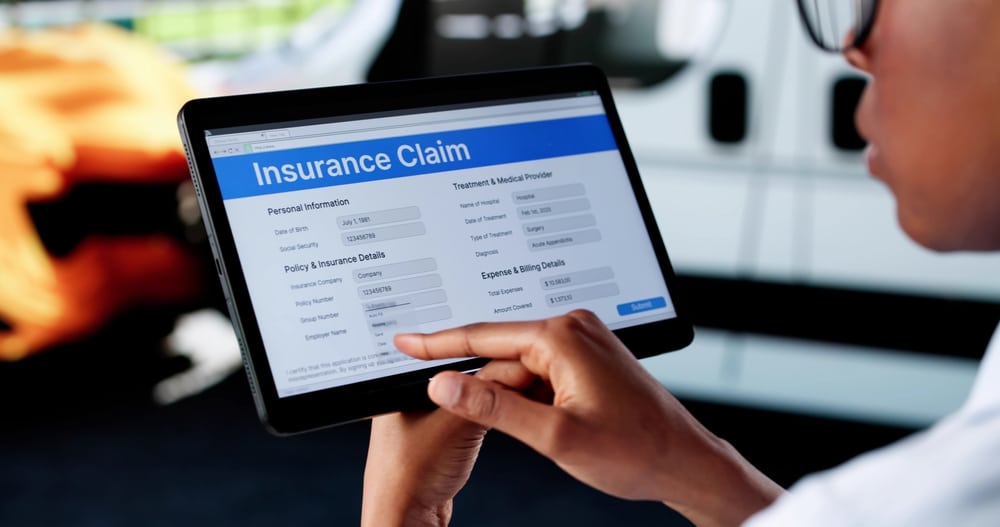
After a serious car accident in Detroit, many people expect the insurance company to fairly evaluate their losses and pay what the claim is worth. Unfortunately, that is not how many claims are handled. Insurance companies are businesses focused on protecting profits, and one of the most common ways they do that is by undervaluing injury claims. This often leaves injured people facing unpaid medical bills, lost income, and financial stress while trying to recover from painful injuries.
We regularly speak with people who accepted a settlement offer before understanding the full extent of their injuries or the long-term impact on their lives. In many cases, the insurance company moved quickly to settle before the injured person had time to speak with a lawyer or complete medical treatment. Michigan injury claims can involve complicated legal and insurance issues, especially under the state’s No-Fault laws. Understanding how insurance companies attempt to reduce claim values is important for protecting your rights and pursuing fair compensation.
Why Insurance Companies Try To Reduce Claim Values
Insurance companies make money by limiting payouts. The less they pay on claims, the more profitable they become. Adjusters are trained to identify ways to minimize damages and dispute liability whenever possible.
Common tactics include:
- Questioning the severity of injuries.
- Claiming medical treatment was unnecessary.
- Arguing that injuries were pre-existing.
- Blaming the injured person for the accident.
- Pressuring victims into early settlements.
These tactics are especially common in Michigan car accident cases because injury claims often involve substantial medical expenses and long-term care.
How Michigan’s No-Fault Law Impacts Injury Claims
Michigan’s No-Fault system under MCL §500.3101. allows injured drivers to seek Personal Injury Protection (PIP) benefits regardless of who caused the crash. These benefits may include medical expenses, wage loss, replacement services, and attendant care.
However, disputes frequently arise over whether treatment is “reasonably necessary” under MCL §500.3107. Insurance companies often challenge ongoing treatment, deny certain medical procedures, or claim that injuries are unrelated to the crash.
When a person suffers a serious impairment of body function under MCL §500.3135, they may also pursue a third-party claim against the at-fault driver for pain and suffering damages. Insurance companies often fight these claims aggressively because non-economic damages can be significant.
Quick Settlement Offers Can Hurt Injury Victims
One of the most common strategies insurance companies use is offering fast settlements shortly after the accident. At that stage, many injured people do not yet understand the full extent of their injuries. Conditions such as traumatic brain injuries, back injuries, and nerve damage may worsen over time.
Once a settlement is accepted, the injured person generally signs a release that prevents further claims. This means future medical costs, lost wages, and pain and suffering may no longer be recoverable.
We often advise clients not to accept a settlement until they fully understand the long-term effects of the injury and the true value of the claim.
Insurance Companies Often Dispute Medical Treatment
Another common tactic involves attacking medical care. Insurance companies may argue that treatment was excessive, unrelated, or unnecessary. In Michigan No-Fault claims, insurers frequently use independent medical examinations to challenge injuries or cut off benefits.
These disputes can affect:
- Physical therapy
- Chiropractic treatment
- Diagnostic testing
- Pain management care
- Future medical treatment
Under MCL §500.3151, insurance companies may request medical examinations, but these evaluations are often performed by doctors hired by the insurer. Their opinions may not reflect the reality of the injured person’s condition.
Comparative Fault Can Reduce Compensation
Michigan follows a modified comparative fault system under MCL §600.2959. Insurance companies frequently attempt to shift blame onto the injured person to reduce payouts.
For example, they may claim the injured driver was speeding, distracted, or failed to react properly before the crash. Even partial fault can reduce compensation. If an injured person is found more than 50 percent at fault, they may lose the ability to recover pain and suffering damages.
We work to challenge unfair fault allegations by reviewing crash evidence, witness statements, vehicle damage, and accident reconstruction findings.
Social Media And Surveillance Investigations
Insurance companies increasingly monitor social media accounts and conduct surveillance after serious accidents. Photos, videos, or online comments may be used out of context to argue that injuries are exaggerated.
Even harmless posts can become part of a defense strategy. A single image showing physical activity may be presented as evidence that the injured person is not seriously hurt.
We advise clients to be cautious about online activity during an active injury claim.
Why Legal Representation Can Make A Difference
Insurance companies handle claims every day and understand how to limit exposure. Injury victims are often at a disadvantage without legal representation. Properly valuing a claim requires evaluating medical expenses, future treatment, lost earning capacity, pain and suffering, and long-term impact on daily life.
We build cases using medical records, physician opinions, financial documentation, and evidence showing how the injury affects the client’s ability to work and live normally. Our goal is to pursue full compensation allowed under Michigan law.
FAQs About Insurance Companies Undervaluing Injury Claims
Why Do Insurance Companies Offer Low Settlements After Car Accidents?
Insurance companies are businesses focused on limiting payouts. Early settlement offers are often made before the injured person fully understands the extent of the injury. The insurer may hope the person accepts a lower amount before additional medical treatment, lost income, or future complications become clear.
Can An Insurance Company Deny Medical Treatment Under Michigan No-Fault Law?
Yes. Insurance companies frequently dispute whether treatment is reasonably necessary under MCL §500.3107. They may challenge surgeries, therapy, or ongoing care by claiming the treatment is unrelated to the accident or no longer medically necessary.
What Should I Do If The Insurance Company Says My Injury Was Pre-Existing?
Pre-existing condition arguments are common. However, an accident can aggravate an existing injury and still create a valid claim. Medical records, physician testimony, and diagnostic imaging often play an important role in proving how the accident worsened the condition.
Can Social Media Hurt My Car Accident Case?
Yes. Insurance companies often review social media accounts looking for photos, comments, or videos they can use against injured people. Even innocent posts may be misinterpreted. It is important to be careful about online activity while a claim is pending.
How Does Comparative Fault Affect My Claim?
Under Michigan’s comparative fault law, compensation may be reduced by the percentage of fault assigned to the injured person. Insurance companies often try to shift blame to reduce payouts. Strong evidence and legal representation can help challenge unfair fault claims.
Should I Accept The First Settlement Offer?
Not without fully understanding your injuries and future medical needs. Once a settlement is accepted, additional compensation is usually barred. Many early offers fail to account for future treatment, long-term pain, or lost earning capacity.
Talk To Our Detroit Auto Accident Attorneys About Your Injury Claim
Insurance companies often work aggressively to minimize compensation after serious accidents. We help injured clients fight back against unfair settlement tactics and pursue the compensation allowed under Michigan law. Every case deserves careful attention, strong evidence, and a legal strategy focused on protecting the injured person’s future.
If you believe an insurance company is undervaluing your Michigan injury claim, call our Detroit auto accident attorneys at Ravid & Associates, P.C. today by calling (248) 948-9696 to receive your free consultation. We represent injured clients in Detroit and throughout Michigan from our Southfield office. Let us help protect your rights and pursue the compensation you deserve.

