
How Black Box Data Is Used To Prove Fault In Trucking Accidents
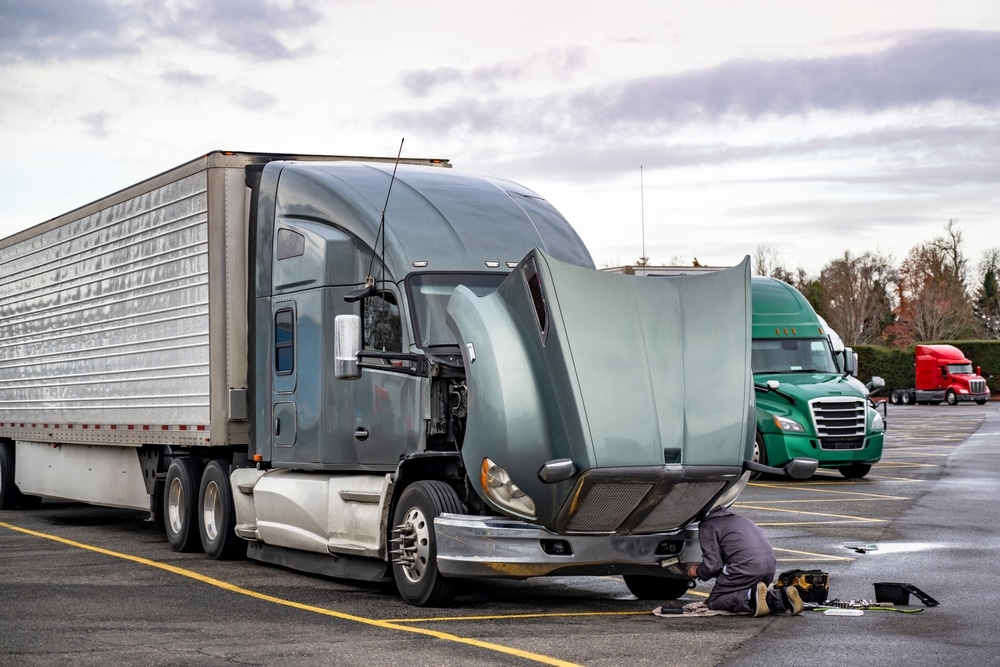
When someone is injured in a trucking accident in Detroit or anywhere in Michigan, determining who is at fault is rarely simple. Commercial trucks are equipped with electronic control modules (ECMs) or event data recorders—commonly known as “black boxes.” These devices record vital information before, during, and after a crash. As attorneys, we have seen how this data can mean the difference between proving negligence and leaving an injured victim without full compensation. Michigan law requires victims to show fault and damages under specific statutes, and black box evidence often provides the proof necessary to meet that burden.
Black box data can show a driver’s speed, braking patterns, steering inputs, seat belt use, and hours of service compliance. This information can directly support claims under Michigan’s negligence law, where plaintiffs must show that a defendant breached a duty of care and caused injury (see Case v. Consumers Power Co., 463 Mich. 1 (2000)). By combining this electronic evidence with accident reconstruction and witness testimony, we can build a case that holds trucking companies and their insurers accountable.
What Black Boxes Record And Why It Matters
Commercial truck black boxes are designed to record mechanical and operational data. Some of the most common details include speed, throttle position, braking activity, GPS location, and the number of hours the engine has been running. Federal regulations under the Federal Motor Carrier Safety Administration (FMCSA) also require drivers and companies to comply with hours-of-service rules. When drivers exceed these limits, fatigue becomes a factor, and black box records often expose these violations.
In Michigan, comparative negligence law applies to motor vehicle accident claims. Under MCL § 600.2959, a plaintiff’s recovery may be reduced in proportion to their own percentage of fault. Having objective black box data can prevent insurance companies from unfairly blaming victims or inflating claims of shared responsibility.
Legal Challenges In Obtaining Black Box Data
Accessing black box data is not always straightforward. Trucking companies often control the data and may be reluctant to release it, especially if it demonstrates negligence. In some cases, data can be lost or intentionally erased if not preserved quickly. Michigan courts allow discovery of electronic evidence, but securing it often requires prompt legal action, including court orders or preservation letters.
As attorneys, we send immediate spoliation letters to ensure the trucking company does not alter or destroy the black box records. Michigan’s court rules on discovery, specifically MCR 2.302, provide mechanisms to compel production of relevant electronic data. Failure to preserve evidence can lead to sanctions or adverse inference instructions, which means a jury may assume the missing data would have been unfavorable to the defendant.
How Black Box Data Supports Negligence Claims Under Michigan Law
To recover damages under Michigan’s No-Fault system, an injured person must show that their injuries meet the threshold of “serious impairment of body function” as defined under MCL § 500.3135. Once that threshold is met, the question becomes who was at fault. Black box evidence can show if a truck driver was speeding, failing to brake, or ignoring mandatory rest periods.
For example, if black box data shows a truck was traveling 15 miles per hour over the speed limit on I-94 near Detroit, that data directly supports a claim of negligent operation under Michigan common law principles. Combined with police reports and medical records, this type of objective data strengthens the case for full compensation of medical bills, lost wages, and pain and suffering.
How We Use Black Box Data To Protect Clients
At Ravid & Associates, P.C., we treat black box evidence as a crucial piece of the puzzle. We work with accident reconstruction experts to interpret the data and explain it clearly to juries and insurance adjusters. The information often cuts through disputes about how the crash occurred. Instead of relying solely on testimony, we can show a precise digital record of the truck’s movements leading up to the collision.
By using this technology, we help level the playing field for injured victims who are often facing powerful trucking companies and insurance carriers. Our goal is to ensure the truth comes out and that victims receive every dollar of compensation Michigan law allows.
FAQs About Black Box Data In Trucking Accident Cases
What Exactly Does A Truck’s Black Box Record?
A truck’s black box records a variety of data points such as speed, acceleration, braking, tire pressure, hours of engine operation, and GPS location. In many cases, it can also record sudden deceleration events, showing how quickly a driver tried to stop. This information can be used to determine whether the driver was driving recklessly or violating safety regulations.
Can Black Box Data Be Used In Michigan Courts?
Yes. Black box data is admissible as long as it is properly obtained and authenticated. Michigan courts allow electronic evidence under discovery rules, and it can be presented alongside witness testimony and accident reconstruction reports. The data often provides objective proof that strengthens a plaintiff’s negligence claim.
How Quickly Must Black Box Data Be Preserved After An Accident?
It is critical to preserve black box data as soon as possible. Some devices overwrite older data after a set period or after the truck returns to service. If the trucking company does not preserve it, valuable evidence may be lost forever. Attorneys often send spoliation letters immediately to ensure data is saved, and in some cases, court orders are required.
Can A Trucking Company Refuse To Provide Black Box Data?
While companies may resist, they are legally obligated to provide relevant evidence during discovery. If they refuse, a court can compel production under Michigan’s discovery rules. If they destroy or alter the data, the court can impose penalties, including instructing a jury to assume the missing evidence would have harmed the company’s defense.
Does Black Box Data Alone Prove Fault?
Not always. Black box data is most powerful when combined with other evidence, such as eyewitness statements, traffic camera footage, and physical evidence from the crash scene. However, it often provides the objective foundation that supports a plaintiff’s version of events and counters attempts by the defense to shift blame.
What Types Of Damages Can Be Claimed With Black Box Evidence?
Once fault is established, Michigan law allows victims to pursue compensation for medical expenses, lost income, rehabilitation costs, and non-economic damages such as pain and suffering if the injury meets the statutory threshold under MCL § 500.3135. Black box data can be the key evidence needed to prove liability and unlock access to these damages.
Call Ravid & Associates, P.C. For Help With Your Truck Accident Case
If you or a loved one has been injured in a trucking accident, securing black box data quickly may be the difference between winning and losing your case. At Ravid & Associates, P.C., we understand how to obtain and use this evidence effectively under Michigan law.
Call our Detroit truck accident attorney at Ravid & Associates, P.C. today at (248) 948-9696 to receive your free consultation. We represent clients in Detroit and throughout the entire state of Michigan from our office in Southfield. Our attorneys are dedicated to protecting your rights, holding negligent drivers and companies accountable, and helping you recover the compensation you deserve.

