
Detroit Apartment Fire Wrongful Death Claims Against Negligent Landlords
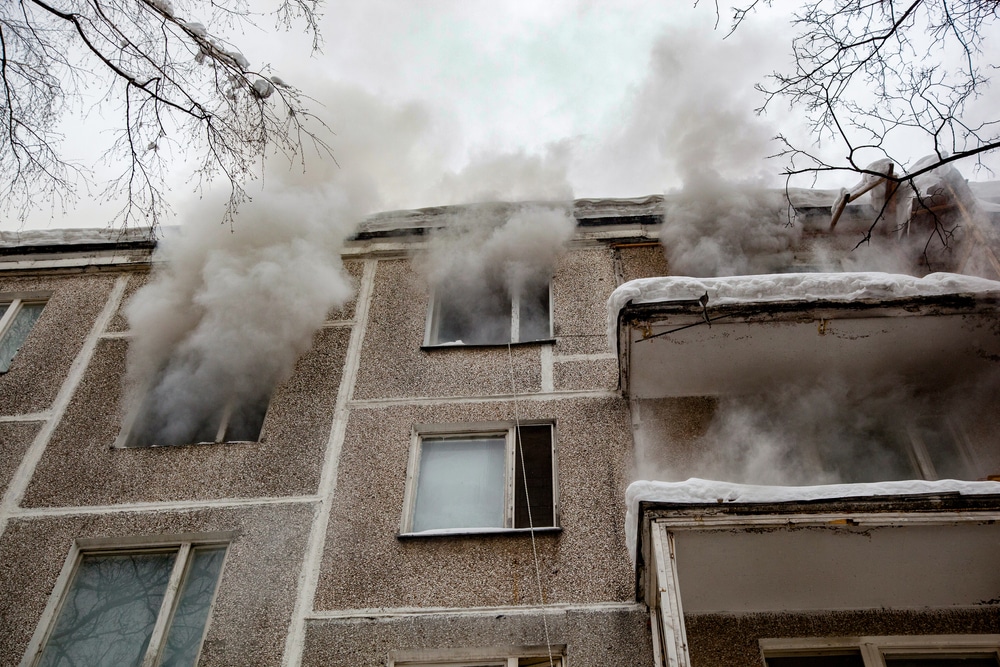
When a deadly fire breaks out in a Detroit apartment building, families are often left with unimaginable grief, and it is even more devastating when the tragedy could have been prevented. As Detroit personal injury and wrongful death attorneys, we have seen how negligent landlords fail to maintain basic fire safety measures such as smoke alarms, fire doors, and safe electrical systems. Under Michigan law, landlords are legally required to keep rental properties safe and habitable. When their failure to do so results in death, surviving family members may pursue a wrongful death claim to hold them accountable and recover the compensation they deserve.
The Legal Duty Of Landlords To Maintain Safe Premises
Michigan landlords have a clear duty under Michigan Compiled Laws § 554.139(1) to maintain their rental properties “in reasonable repair” and ensure that the premises are “fit for the use intended.” This obligation includes ensuring that apartment buildings are equipped with working smoke detectors, fire extinguishers, properly marked exits, and electrical systems that comply with code.
When landlords ignore building code violations, fail to repair faulty wiring, or allow fire hazards such as blocked exits or malfunctioning alarms, they violate both statutory and common law duties. If a tenant or guest dies as a result, that landlord can be held civilly liable under Michigan’s premises liability and wrongful death statutes.
Common Causes Of Deadly Apartment Fires In Detroit
Detroit’s older housing stock, combined with years of deferred maintenance, creates dangerous conditions that too often lead to fatal fires. Some of the most common causes we see include:
- Faulty or overloaded electrical wiring.
- Missing or disabled smoke detectors.
- Blocked or locked fire exits.
- Broken fire alarms and sprinkler systems.
- Landlords failing to address known fire code violations.
When these issues are ignored, a fire can spread within minutes, trapping residents who have no safe way to escape. Michigan courts have repeatedly found that property owners can be held responsible when they fail to correct fire hazards that they knew or should have known about.
Filing A Wrongful Death Claim After A Fatal Apartment Fire
Under MCL § 600.2922, the Michigan Wrongful Death Act allows the personal representative of the deceased person’s estate to file a lawsuit on behalf of surviving family members. These claims can recover damages for funeral expenses, loss of financial support, medical bills related to the final injury, and the emotional pain and suffering caused by the death.
To succeed, the family must prove that the landlord owed a legal duty to maintain safe premises, breached that duty through negligence, and that the breach directly caused the death. Evidence in these cases often includes fire department investigation reports, building code inspection records, tenant complaints, and expert testimony on how the fire could have been prevented.
Landlord Negligence And Foreseeability Under Michigan Law
Michigan courts apply the concept of foreseeability when determining liability in premises liability cases. If a landlord knew, or should have known, that a dangerous condition existed, and that it posed a foreseeable risk of harm, they can be held responsible. For instance, if a landlord received multiple notices of faulty smoke alarms or electrical issues but failed to act, that negligence can form the basis of a wrongful death claim.
The duty to provide safe living conditions is not optional. Michigan law places this burden squarely on landlords because tenants depend on them to maintain structural safety, comply with fire codes, and promptly address known hazards.
Potential Damages Recoverable In Wrongful Death Cases
When a landlord’s negligence leads to a fatal fire, surviving family members may recover both economic and non-economic damages. These include:
- Funeral and burial expenses.
- The deceased’s medical expenses before death.
- Loss of financial support and household services.
- Loss of companionship, care, and guidance.
- Pain and suffering experienced by the deceased before death.
Our role as attorneys is to ensure that every responsible party is held fully accountable. In some cases, this may include property management companies, maintenance contractors, or third parties who ignored known hazards.
How Our Legal Team Investigates Apartment Fire Wrongful Death Claims
When representing families in fatal fire cases, we immediately secure evidence before it disappears. We obtain fire department reports, interview witnesses, and work with independent fire investigators to determine the cause of the blaze. We also subpoena maintenance records and correspondence showing whether the landlord ignored prior complaints.
By combining legal investigation with technical analysis, we build the evidence needed to prove negligence and causation under Michigan law. Our focus is always on ensuring families receive justice and financial security after such a tragic loss.
Frequently Asked Questions About Detroit Apartment Fire Wrongful Death Claims
Who Can File A Wrongful Death Lawsuit After A Fatal Detroit Apartment Fire?
Under MCL § 600.2922(2), only the personal representative of the deceased person’s estate may file the wrongful death lawsuit. The lawsuit is brought on behalf of the surviving spouse, children, parents, or other dependents who suffered a loss due to the death. The personal representative is often appointed through probate court proceedings.
What Must Be Proven To Hold A Landlord Liable For A Fatal Fire?
The family must show that the landlord had a duty to maintain safe premises, breached that duty through negligence or code violations, and that this failure caused the death. Evidence might include missing smoke detectors, failed fire alarms, or electrical systems that were not up to code. Landlords who ignore known fire hazards can be held accountable under MCL § 554.139 and Michigan’s common law of negligence.
How Long Do Families Have To File A Wrongful Death Lawsuit In Michigan?
The statute of limitations for wrongful death cases is generally three years under MCL § 600.5805(2). However, prompt legal action is critical, as fire-related evidence can degrade quickly. Filing within this timeframe preserves the family’s right to recover compensation for their losses.
Can A Property Management Company Be Sued Instead Of The Landlord?
Yes. If a management company is responsible for maintenance or inspections and fails to ensure the property meets safety standards, it may share liability with the landlord. Michigan law allows multiple negligent parties to be held jointly responsible for a wrongful death caused by unsafe property conditions.
What Types Of Compensation Are Available In A Michigan Apartment Fire Wrongful Death Case?
Families may recover damages for funeral expenses, lost future income, loss of companionship, and emotional suffering. The deceased’s estate may also recover for pain and suffering before death. Each case is unique, and compensation depends on the specific facts and losses proven.
Call Ravid & Associates, P.C. For Help With Detroit Apartment Fire Wrongful Death Claims
At Ravid & Associates, P.C., we represent families who have lost loved ones due to preventable apartment fires caused by negligent landlords and property owners. Our attorneys fight to uncover the truth, hold those responsible accountable, and secure the justice your family deserves.
If a loved one was killed in a Detroit apartment fire, contact our Detroit wrongful death attorneys at Ravid & Associates, P.C. today by calling (248) 948-9696 to receive your free consultation. Our firm represents clients in Detroit and throughout Michigan from its offices in Southfield, Michigan.

