
Can I Sue Uber Or Lyft Directly For My Injuries After A Crash?
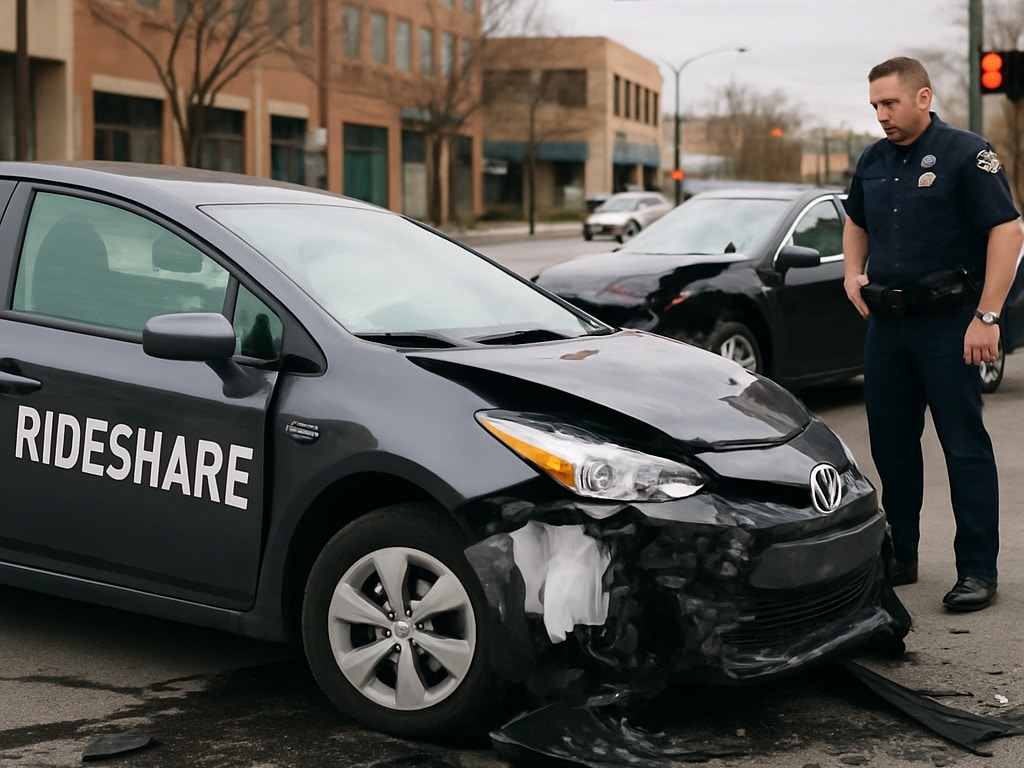
As Detroit auto accident attorneys, we are often asked whether someone hurt in an Uber or Lyft crash can sue the rideshare company directly. This question is understandable because rideshare accidents can be far more complicated than ordinary auto collisions. Victims often deal with multiple insurance carriers, uncertain driver status, and confusion over who bears legal responsibility. Michigan’s No-Fault system adds another layer of complexity, as it affects what types of compensation can be pursued and against whom. Our goal is to help injured passengers, other motorists, and pedestrians understand their rights under Michigan law and when Uber or Lyft can be held accountable for serious injuries or wrongful death.
Understanding Uber And Lyft’s Legal Relationship With Drivers
The first issue we analyze in every rideshare accident is the driver’s legal status. Uber and Lyft classify their drivers as independent contractors, not employees. This classification means that the companies generally claim they are not directly responsible for the driver’s negligent actions under the doctrine of respondeat superior. However, Michigan law allows for exceptions if it can be shown that the company exercised control over how the driver performed their duties or failed to maintain safe operational policies.
If we find evidence that Uber or Lyft ignored known safety risks, such as failing to remove drivers with repeated accident reports, or allowing defective vehicles to remain active, the company itself may share liability. This can transform a typical personal injury case into one involving corporate negligence, giving victims access to larger recovery sources.
Michigan’s No-Fault Insurance System And Rideshare Accidents
Under Michigan Compiled Laws § 500.3101, every motorist must carry No-Fault insurance. This system provides Personal Injury Protection (PIP) benefits to cover medical expenses, lost wages, and replacement services, regardless of who caused the crash. However, PIP benefits do not include compensation for pain and suffering.
To pursue damages for pain and suffering or other non-economic losses, the injured person must show a “serious impairment of body function” or a permanent disfigurement as defined in MCL § 500.3135. Once this legal threshold is met, a third-party negligence claim may be filed against the at-fault driver and, under certain conditions, Uber or Lyft.
When Uber and Lyft’s $1 Million Policy Applies
Rideshare companies operating in Michigan are required by law to provide substantial liability coverage when the app is active. According to MCL § 257.2123, Uber and Lyft must carry at least $1 million in liability coverage when the driver is transporting a passenger or en route to pick one up. If the app is on but the driver has not yet accepted a ride, coverage typically includes up to $50,000 per person and $100,000 per accident for bodily injury.
This insurance usually applies before the driver’s personal policy. In practice, that means if you were injured as a passenger or another motorist struck by an on-duty rideshare driver, Uber or Lyft’s commercial insurance may cover your damages up to policy limits. Our attorneys examine all available coverage layers to ensure our clients receive the maximum possible compensation.
When You Can Sue Uber Or Lyft Directly
Victims can pursue direct claims against Uber or Lyft in specific situations:
- Negligent Hiring or Retention – If the company allowed a driver with a dangerous driving history or criminal background to continue accepting rides, it may be held responsible under common law negligence.
- Failure to Maintain Safe Technology – Uber and Lyft have legal obligations to ensure their apps do not distract drivers or encourage reckless behavior.
- Defective Safety Policies – If the company’s training or oversight policies create foreseeable risks, such as inadequate screening for intoxication or fatigue, the corporation can be sued directly.
Michigan law supports holding corporations accountable when their own conduct contributes to harm. Under MCL § 600.2912, civil actions for negligence require proof of duty, breach, causation, and damages. If Uber or Lyft’s business practices directly endangered passengers or the public, we can file a negligence claim against the company itself.
Legal Remedies For Injured Rideshare Victims
If you were hurt in a rideshare-related accident, your recovery may include both No-Fault benefits and third-party damages. The No-Fault portion covers immediate medical care and some wage loss, while a separate lawsuit may recover compensation for:
- Pain and suffering
- Emotional distress
- Permanent impairment or disfigurement
- Future medical care and long-term therapy costs
- Loss of earning capacity
Families who lose loved ones in fatal rideshare crashes may bring a wrongful death claim under MCL § 600.2922, allowing recovery for funeral expenses, loss of companionship, and loss of financial support.
Our firm works closely with accident reconstruction experts, insurance professionals, and medical specialists to document every element of loss. We have seen how Uber and Lyft’s insurance carriers often dispute responsibility or attempt to settle claims quickly for less than victims deserve. Having legal representation ensures that the rideshare company’s policies and corporate decisions are scrutinized fully.
Frequently Asked Questions About Suing Uber Or Lyft After A Crash
Can I File A Lawsuit Against Uber Or Lyft Even If The Driver Was An Independent Contractor?
Yes, under certain circumstances. While Uber and Lyft claim limited responsibility for their drivers, we can pursue a claim against the company if its own negligence contributed to the crash. Examples include failing to remove unsafe drivers, ignoring known complaints, or allowing defective safety systems in their vehicles or apps. Michigan law permits direct corporate liability when a company’s actions foreseeably lead to injury.
What Happens If I Was A Passenger In The Rideshare Vehicle?
If you were a passenger, you would typically be covered by the $1 million liability policy Uber and Lyft must carry when a ride is in progress. You may also be entitled to Personal Injury Protection benefits through your own insurer or the Michigan Assigned Claims Plan under MCL § 500.3172 if you lack coverage. Our attorneys coordinate these benefits to prevent overlap and maximize total recovery.
Does Michigan’s No-Fault Law Limit My Ability To Sue?
Michigan’s No-Fault law allows you to collect PIP benefits regardless of fault but restricts pain and suffering claims unless you meet the threshold of a “serious impairment of body function” under MCL § 500.3135. Once this is established, you can file a lawsuit against the negligent driver or, in qualifying cases, Uber or Lyft.
How Long Do I Have To File A Claim Against Uber Or Lyft?
Most personal injury claims in Michigan must be filed within three years from the date of the accident, as stated in MCL § 600.5805(2). However, certain insurance-related claims may have shorter notice requirements. It is essential to act quickly so that evidence—such as rideshare data, GPS logs, and dashcam footage—is preserved.
What If The Uber Or Lyft Driver Was Off-Duty Or Had The App Turned Off?
When the app is off, the driver’s personal insurance applies, not Uber or Lyft’s commercial coverage. However, if the company failed to ensure its drivers carried adequate personal coverage as required by Michigan law, there may still be grounds for corporate liability. Determining whether the driver was active on the app is a critical part of our investigation.
Call Ravid & Associates, P.C. For Experienced Legal Help After A Rideshare Accident
At Ravid & Associates, P.C., we represent injury victims and families who have suffered losses in Uber and Lyft crashes across Michigan. We understand the legal and insurance challenges involved in these cases and know how to hold both drivers and corporations accountable for the harm they cause.
If you or a loved one has been injured in a rideshare accident, contact our Detroit rideshare accident lawyer at Ravid & Associates, P.C. today by calling (248) 948-9696 to receive your free consultation. Our law firm represents clients in Detroit and throughout the entire state of Michigan from our Southfield, Michigan offices.

