
Brain Injury After an Accident in Michigan: How to Prove the Long-Term Impact
Understanding The Real Toll Of A Brain Injury After A Crash
We’ve seen firsthand how traumatic brain injuries (TBIs) can disrupt lives after a crash in Detroit or anywhere else in Michigan. These injuries don’t always show up right away, which can make them harder to prove and treat. Victims may seem fine at first. They are talking, walking, and even making jokes. However, hours, days, or weeks later, the damage becomes clear. It might be memory loss, mood swings, fatigue, or trouble focusing. And those symptoms can last a lifetime.
In Michigan, proving a brain injury isn’t just about getting the right medical diagnosis; it’s about showing how that injury has affected every part of your life. That includes your ability to work, care for yourself, and maintain relationships. Under Michigan’s No-Fault insurance system and tort liability rules, the law makes it possible to recover damages for these long-term impacts. But the burden is on us to prove it with strong, detailed evidence.
How Michigan No-Fault Law Applies To Brain Injury Cases
Michigan’s No-Fault law (MCL 500.3101 et seq.) requires drivers to carry personal injury protection (PIP) coverage, which pays for medical expenses, lost wages, and replacement services regardless of who caused the crash. If you suffer a brain injury in a car accident, PIP covers your immediate medical bills and lost income up to your policy limits. But for long-term injuries, PIP benefits alone often fall short.
In more severe cases, Michigan law allows you to step outside the No-Fault system and file a third-party lawsuit against the at-fault driver. To do that, we need to prove that your brain injury meets the “serious impairment of body function” threshold under MCL 500.3135 et seq. Courts have interpreted this as an objectively manifested injury that affects your general ability to live your normal life. That’s where documentation, medical testimony, and day-in-the-life evidence become critical.
Medical Evidence Is Essential To Prove A Long-Term Brain Injury
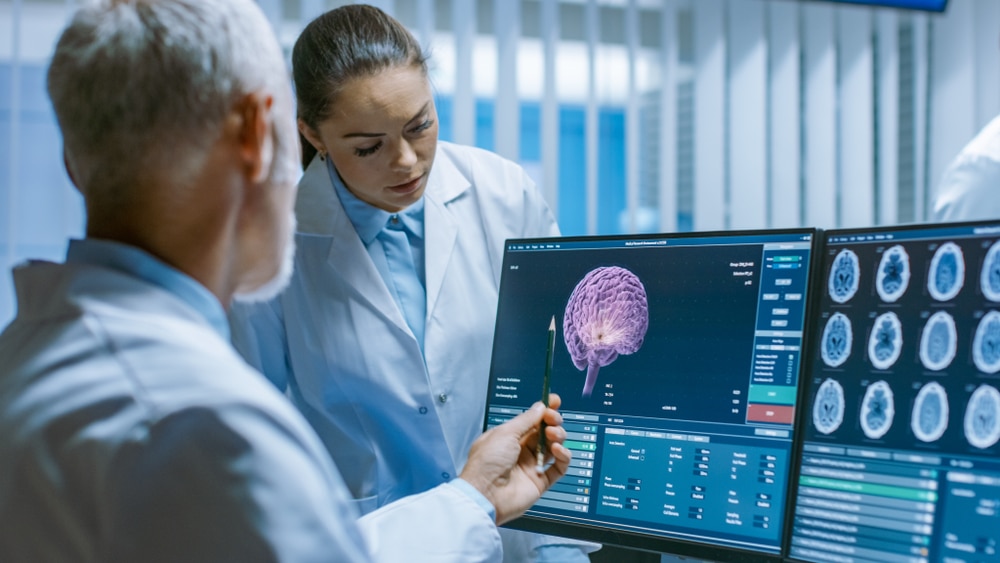
One of the first steps we take is making sure our clients undergo thorough neurological testing. MRI scans, CT scans, and cognitive evaluations help confirm the injury. But since many brain injuries don’t show up on imaging, we also rely heavily on neuropsychological assessments. These tests can detect memory deficits, executive functioning problems, and other cognitive impairments that aren’t visible on a scan.
We work closely with treating physicians, neurologists, neuropsychologists, and sometimes even speech or occupational therapists. Their written evaluations and deposition testimony help paint a full picture of what you’re dealing with now and in the future.
Functional Impact Matters Just As Much As Diagnosis
Michigan law focuses not only on whether you were injured, but on how the injury changed your life. That means we have to show what you could do before the crash and what you struggle with now. This might include not being able to work your job, finish school, care for your children, or participate in activities you once enjoyed.
We often build this evidence using:
- Medical records and treatment history.
- Testimony from family, coworkers, and friends.
- Employment and wage loss records.
- Journals or video diaries.
- Independent medical exams (IMEs) when appropriate.
The more consistent and specific this evidence is, the stronger your case becomes.
The Role Of Pain And Suffering In Michigan Injury Cases
If your brain injury meets the serious impairment threshold, you may be entitled to recover non-economic damages, such as pain and suffering, emotional distress, loss of enjoyment of life. These damages aren’t limited by insurance caps. But they require persuasive documentation.
We work with you to track symptoms over time and show how your brain injury impacts your relationships, independence, mental health, and overall well-being. Psychological counseling records and evaluations often help strengthen this part of your claim.
Statute Of Limitations In Michigan Brain Injury Lawsuits
In Michigan, the statute of limitations for filing a third-party car accident lawsuit is generally three years from the date of the accident (MCL 600.5805 et seq.). However, if you’re pursuing No-Fault benefits from your insurer, you typically have one year to file a claim (MCL 500.3145 et seq.). We always encourage clients to act as early as possible to preserve medical evidence, witness statements, and video footage.
Why Legal Representation Matters In These Cases
We’ve handled many serious injury claims over the years, and brain injury cases are often the most medically and legally complex. Insurance companies often argue that the symptoms are exaggerated or caused by something else. They may try to settle early before the full scope of damage is known.
As your attorneys, we don’t let them. We understand the importance of building your case carefully and thoroughly, using medical professionals, expert witnesses, and long-term projections. Our job is to make sure the court and insurance companies understand the reality of your daily life after a TBI, and to fight for the compensation you deserve.
Frequently Asked Questions About Brain Injuries After A Michigan Accident
What If My Brain Injury Wasn’t Diagnosed Immediately After The Crash?
It’s common for brain injuries to be diagnosed days or even weeks after an accident. Symptoms like confusion, headaches, or fatigue may seem minor at first or may be masked by adrenaline. In Michigan, that delay doesn’t disqualify your claim. What matters is linking your symptoms to the accident through medical records and professional evaluations. We work with neurologists and neuropsychologists who can explain how delayed symptoms are consistent with brain trauma. Your timeline should still be supported by consistent documentation, which is why early legal help is important.
Can I Sue If My Brain Injury Keeps Me From Returning To Work?
Yes, if your injury prevents you from doing your job or forces you into lower-paying work, we can pursue lost wages beyond what your PIP coverage pays. Under Michigan law, you can bring a third-party lawsuit against the at-fault driver if your brain injury qualifies as a serious impairment of body function. That allows us to claim both current and future wage loss, loss of earning capacity, and benefits like pain and suffering. We work with vocational experts and economic loss analysts to estimate what your injury will cost you over your lifetime.
How Do We Prove Pain And Suffering For A Brain Injury In Michigan?
Pain and suffering are subjective, but that doesn’t mean they can’t be proven. We build this part of your case through personal testimony, medical records, and documentation of how your life has changed. For brain injury cases, this often includes mood changes, anxiety, depression, and an inability to enjoy relationships or activities. We may also include testimony from your spouse, friends, or mental health professionals. When handled correctly, these damages can account for a major portion of your total recovery.
Is There A Deadline To File My Brain Injury Claim In Michigan?
Yes. For No-Fault benefits, you generally have one year from the date of the accident to file a claim with your own insurer. If you’re pursuing a lawsuit against another driver, the deadline is usually three years. Missing these deadlines can mean losing your right to compensation. That’s why it’s so important to contact us early. We make sure your claims are filed on time, and your rights are protected from day one.
Will The Insurance Company Accept My Brain Injury Claim Without A Fight?
Rarely. Unfortunately, insurance companies often challenge brain injury claims—especially when symptoms aren’t visible or are hard to measure. They may claim you’re exaggerating or that your problems are due to stress or a pre-existing condition. We push back with detailed medical evaluations, documented cognitive testing, and strong witness testimony. The goal is to prove, clearly and convincingly, that your injuries are real and serious.
Call Ravid & Associates, P.C. For Help With Your Brain Injury Case
If you or someone you love has suffered a brain injury in a car accident, you don’t have to figure this out alone. Our attorneys have been helping injury victims across Michigan recover the compensation they deserve for decades. We understand the medical and legal challenges these cases present, and we’re ready to build a strong case on your behalf.
For guidance after a Detroit car accident, our Detroit auto accident attorney at Ravid & Associates, P.C. today by calling (248) 948-9696 to receive your free consultation. We represent clients throughout the state of Michigan from our convenient office locations in Southfield, including Detroit, Grand Rapids, Lansing, Flint, Ann Arbor, and more. Let us help you hold the negligent driver accountable and fight for the compensation you deserve.

