
Black Box Data In Truck Accident Cases
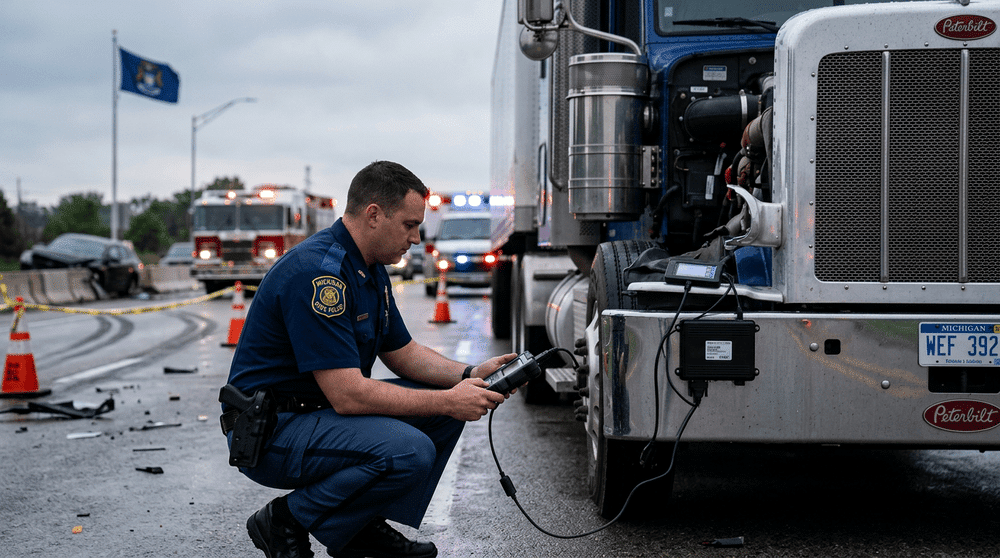
Truck accidents often leave behind more than physical evidence at the scene. Modern commercial trucks are equipped with electronic control modules, commonly referred to as “black boxes,” that record critical data about how the vehicle was being operated before and during a crash. This information can become one of the most important pieces of evidence in a serious injury or wrongful death claim. It can confirm speed, braking patterns, engine activity, and driver behavior in the seconds leading up to impact.
We rely on black box data in many truck accident cases to establish what actually happened. Unlike witness statements, which can be inconsistent, electronic data provides an objective record. In Michigan injury claims, proving fault is essential when pursuing compensation beyond No-Fault benefits. Black box data often becomes the foundation of a strong case, especially when the trucking company disputes liability.
What Black Box Data Records In Commercial Trucks
Most commercial trucks contain an Event Data Recorder (EDR) or similar system that captures key operational details. The exact data recorded depends on the vehicle and system, but it often includes:
- Vehicle speed before impact
- Brake application and timing
- Throttle position
- Engine RPM
- Seatbelt usage
- Sudden deceleration or impact force
Some systems also track driver hours and vehicle movement over time when integrated with electronic logging devices. This data can show whether a driver was speeding, failed to brake, or reacted too late to avoid a collision.
Why Black Box Data Matters In Michigan Injury Claims
Michigan law requires proof of fault when pursuing a third-party injury claim for pain and suffering. Under MCL §500.3135, an injured person must show that another party’s negligence caused the crash and that the injuries meet the serious impairment threshold.
Black box data can provide direct evidence of negligence. For example, if the data shows a truck was traveling above the speed limit or that the brakes were not applied before impact, it can support a claim that the driver acted carelessly. This type of evidence is difficult for a defendant to dispute.
In addition, Michigan follows comparative fault rules under MCL §600.2959, which means compensation may be reduced if the injured person is partially at fault. Black box data can help limit unfair blame by clearly showing what the truck driver did or failed to do.
Preserving Black Box Evidence After A Truck Accident
One of the most important issues in these cases is preserving the data. Trucking companies control access to their vehicles and electronic systems. In some cases, data can be overwritten or lost if action is not taken quickly.
We act immediately to protect this evidence by sending a formal preservation notice, often called a spoliation letter, to the trucking company. This puts the company on notice that the data must be preserved for legal review. If the company fails to do so, it may face legal consequences in court.
Timing is critical. Waiting too long can result in permanent loss of valuable evidence.
Legal Issues In Accessing Black Box Data
Black box data is not automatically available to injured parties. It typically requires legal action to obtain it. This may include:
- Filing discovery requests in a lawsuit
- Seeking a court order for data access
- Working with forensic specialists to download and interpret the data
Michigan courts recognize the importance of electronic evidence in accident cases. Under the Michigan Court Rules governing discovery, parties have the right to request relevant information, including electronic data, when it relates to the claims at issue.
We coordinate with qualified professionals who can retrieve and analyze this data in a manner admissible in court.
How Black Box Data Strengthens A Truck Accident Case
Black box data can confirm or contradict statements made by drivers and companies. It often helps establish:
- Whether the truck was speeding.
- Whether the driver attempted to brake.
- Whether there was a sudden or delayed reaction.
- Whether the truck was operating normally.
This information can shift the direction of a case. In many situations, it leads to stronger settlement positions because the evidence is difficult to challenge.
When combined with police reports, witness statements, and physical evidence, black box data helps create a clear picture of what happened.
Michigan No-Fault Law And Truck Accident Claims
Michigan’s No-Fault system under MCL §500.3101 et seq. provides Personal Injury Protection benefits regardless of fault. However, serious truck accident cases often involve claims beyond No-Fault benefits, including pain and suffering and excess economic damages.
In these third-party claims, proving negligence becomes essential. Black box data plays a central role in meeting that burden and supporting a claim under MCL §500.3135.
Frequently Asked Questions About Black Box Data In Truck Accident Cases
What Is Black Box Data In A Truck Accident Case?
Black box data refers to information recorded by a truck’s electronic control module or event data recorder. It captures details about how the truck was being operated before and during a crash. This can include speed, braking, and engine activity. In many cases, it provides objective evidence that helps determine fault.
How Long Is Black Box Data Stored?
The length of time varies depending on the system, but some data may be overwritten quickly if the vehicle continues to operate. This is why it is important to act promptly after an accident. Taking legal steps early can help preserve the data before it is lost.
Can I Get Access To The Truck’s Black Box Data?
Access is usually obtained through the legal process. This may involve filing a lawsuit and requesting the data during discovery. Courts can order the trucking company to produce the information if it is relevant to the case.
What If The Trucking Company Refuses To Provide The Data?
If a company refuses to provide data, the court can require compliance. If the data is destroyed after a preservation request, the court may impose penalties or allow negative inferences to be drawn against the company. This can strengthen the injured party’s case.
Does Black Box Data Always Prove Fault?
Not by itself, but it is often powerful evidence. It must be analyzed along with other information, such as crash reports and witness testimony. When used together, these sources can clearly establish how the accident occurred.
Can Black Box Data Help If Fault Is Disputed?
Yes. In disputed cases, black box data can clarify what happened in the moments before the crash. It can confirm whether a driver was speeding, failed to brake, or acted improperly. This can reduce disputes and support a stronger claim.
Talk To Our Truck Accident Attorneys About Your Legal Rights
Truck accident cases require a detailed investigation and a clear understanding of the available evidence. Black box data can play a critical role in proving fault and supporting a claim. We work to secure this evidence, analyze it, and use it to build a strong case for our clients.
If you were injured in a truck accident in Michigan, call our Detroit trucking accident attorneys at Ravid & Associates, P.C. today by calling (248) 948-9696 to receive your free consultation. We represent injured clients in Detroit and throughout Michigan from our Southfield office. Let us help you protect your case and pursue the compensation you deserve.

