
What To Do If The Insurance Adjuster Wants A Recorded Statement
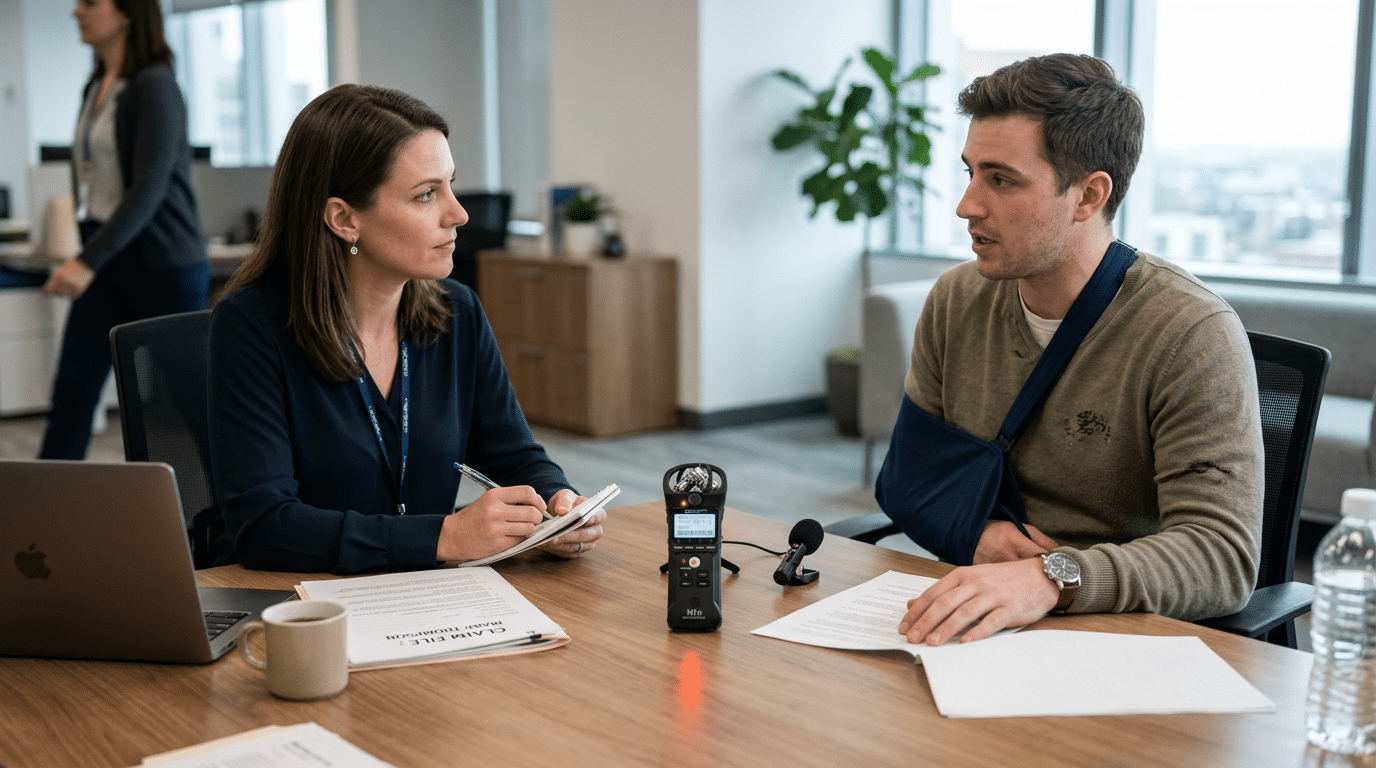
If you have been in a car accident in Detroit, you will likely get a call from an insurance adjuster within a few days. Adjusters often ask for a recorded statement and may say it is just a normal part of the process. Many people agree to give one because they want to be helpful and have nothing to hide. However, giving a recorded statement can cause problems if you do not know how your words might be used later. What feels like a simple conversation can end up being important evidence that affects who is at fault, the amount of damages, and your compensation. Before you talk to an insurance adjuster, make sure you know your rights and how Michigan law could affect your claim.
Why Insurance Adjusters Request Recorded Statements
Insurance companies look into claims to figure out who was at fault, what the damages are, and how much money they might have to pay. A recorded statement lets the adjuster get information straight from the injured person before everything is fully understood.
Many accident victims provide statements while still receiving medical treatment or before they fully understand the extent of their injuries. In some situations, symptoms that appear minor immediately after a collision can worsen significantly over the following days or weeks.
Insurance companies know that early statements may contain incomplete information. If later medical evidence differs from what was initially reported, the insurer may attempt to use those inconsistencies to challenge the claim.
Are You Required To Give A Recorded Statement?
The answer depends on which insurance company is requesting the statement.
If you are speaking with the at-fault driver’s insurance company, Michigan law generally does not require you to provide a recorded statement. In most cases, you have the right to decline the request.
If the request comes from your own insurance company, the answer may be different. Certain insurance policies require cooperation during claim investigations. Michigan’s No-Fault Insurance Act, found in MCL 500.3101, provides benefits such as medical expenses and wage loss benefits, but policyholders must often comply with reasonable requests related to claim investigations.
Before providing any recorded statement, it is wise to understand exactly who is requesting it and why.
How Recorded Statements Can Affect A Personal Injury Claim
Many people think the adjuster is just collecting facts. While that is partly true, insurance companies are also looking for ways to reduce how much they might have to pay.
Common issues include:
- Incomplete descriptions of injuries
- Confusion about accident details
- Statements regarding speed or fault
- Comments about pre-existing conditions
- Speculation about what happened
Even a simple comment like “I’m feeling okay today” can later be used as proof that your injuries were not serious. If you are unsure about how the accident happened, that can also be used to argue that you were partly at fault.
Michigan follows a modified comparative fault system under MCL 600.2959. If an injured person is found partially responsible for an accident, compensation may be reduced according to their percentage of fault.
Common Questions Adjusters Ask
Insurance adjusters often ask questions that seem simple but could be important for legal reasons later on.
Examples include:
- How fast were you driving?
- Did you see the other vehicle before impact?
- Have you ever injured this body part before?
- Are you currently working?
- How are you feeling today?
Many accident victims do not realize that their answers are being carefully documented and analyzed. Even minor inconsistencies between a recorded statement, medical records, and later testimony may be used during settlement negotiations or litigation.
What You Should Do Before Giving A Recorded Statement
The most important step is to understand the purpose of the statement and the potential consequences.
Before participating in any recorded interview you should determine which insurance company is requesting the statement, review your policy obligations, obtain a medical evaluation if you have not already done so, avoid guessing or speculating about accident details, and consider speaking with an attorney before participating.
An attorney can evaluate whether a statement is necessary and help ensure that your rights are protected throughout the claims process.
Michigan No-Fault Claims And Recorded Statements
Michigan’s No-Fault system can create additional complications. Under MCL 500.3107, injured individuals may seek Personal Injury Protection (PIP) benefits for medical expenses, wage loss, and replacement services.
Insurance companies frequently investigate these claims carefully, especially when injuries involve long-term treatment or significant wage losses. Recorded statements may become part of that investigation.
Because No-Fault benefits often involve substantial financial exposure, insurers may look closely at every statement made by the claimant.
Protecting Your Rights After A Michigan Car Accident
Insurance companies handle thousands of claims every year. Their adjusters receive training on investigating accidents and evaluating injury claims. Accident victims often have little experience dealing with these situations.
Protecting your rights starts with understanding that you are not obligated to immediately answer every question presented by an insurance company. Taking time to gather information and obtain legal guidance can help prevent costly mistakes.
FAQs About Recorded Statements After A Michigan Car Accident
Should I Give A Recorded Statement To The Other Driver’s Insurance Company?
In most situations, no legal requirement exists that forces you to provide a recorded statement to the at-fault driver’s insurance company. The adjuster may suggest that the statement is necessary, but you generally have the right to decline. Before speaking with the insurer, it is often beneficial to understand how the information could affect your claim.
Can A Recorded Statement Hurt My Injury Case?
Yes. Statements made shortly after an accident may later be compared to medical records, witness statements, police reports, and deposition testimony. If inconsistencies appear, the insurance company may argue that your injuries are less serious or that your version of events has changed.
What If I Already Gave A Recorded Statement?
Giving a recorded statement does not automatically ruin a case. Many people provide statements before realizing the legal implications. The important step is to evaluate what was said and develop a strategy for addressing any issues that may arise later during the claim process.
Does Michigan Law Require Me To Cooperate With My Own Insurance Company?
In many situations, yes. Insurance policies often contain cooperation provisions. Your own insurer may request information when evaluating claims for No-Fault benefits under Michigan law. However, the scope of those requests may vary depending on the claim and policy language.
Can I Have An Attorney Present During A Recorded Statement?
Yes. Many people choose to speak with an attorney before participating in any recorded interview. An attorney can help determine whether the statement is required and can provide guidance regarding the claims process.
Why Do Insurance Companies Want Statements So Quickly?
Insurance companies often seek statements early because memories are fresh and facts are still developing. Early statements may also contain information that benefits the insurer before the injured person fully understands the extent of their injuries or losses.
Talk To Ravid & Associates, P.C. Before Your Talk To The Insurance Adjuster
Insurance adjusters may sound friendly and helpful, but their primary responsibility is protecting the insurance company’s interests. Before providing a recorded statement, it is important to understand your rights and how your answers could affect your claim. We help injury victims throughout Michigan evaluate insurance company requests and pursue the compensation available under Michigan law.
If an insurance adjuster has requested a recorded statement after your Michigan car accident, contact our Detroit intersection accident lawyers at Ravid & Associates, P.C. today by calling (248) 948-9696 to receive your free consultation. We represent injury victims in Detroit and throughout the entire state of Michigan from our office locations in Southfield, Michigan. Let us help protect your rights and your claim.

