
Rear-End Collisions – Who Is At Fault In Michigan?
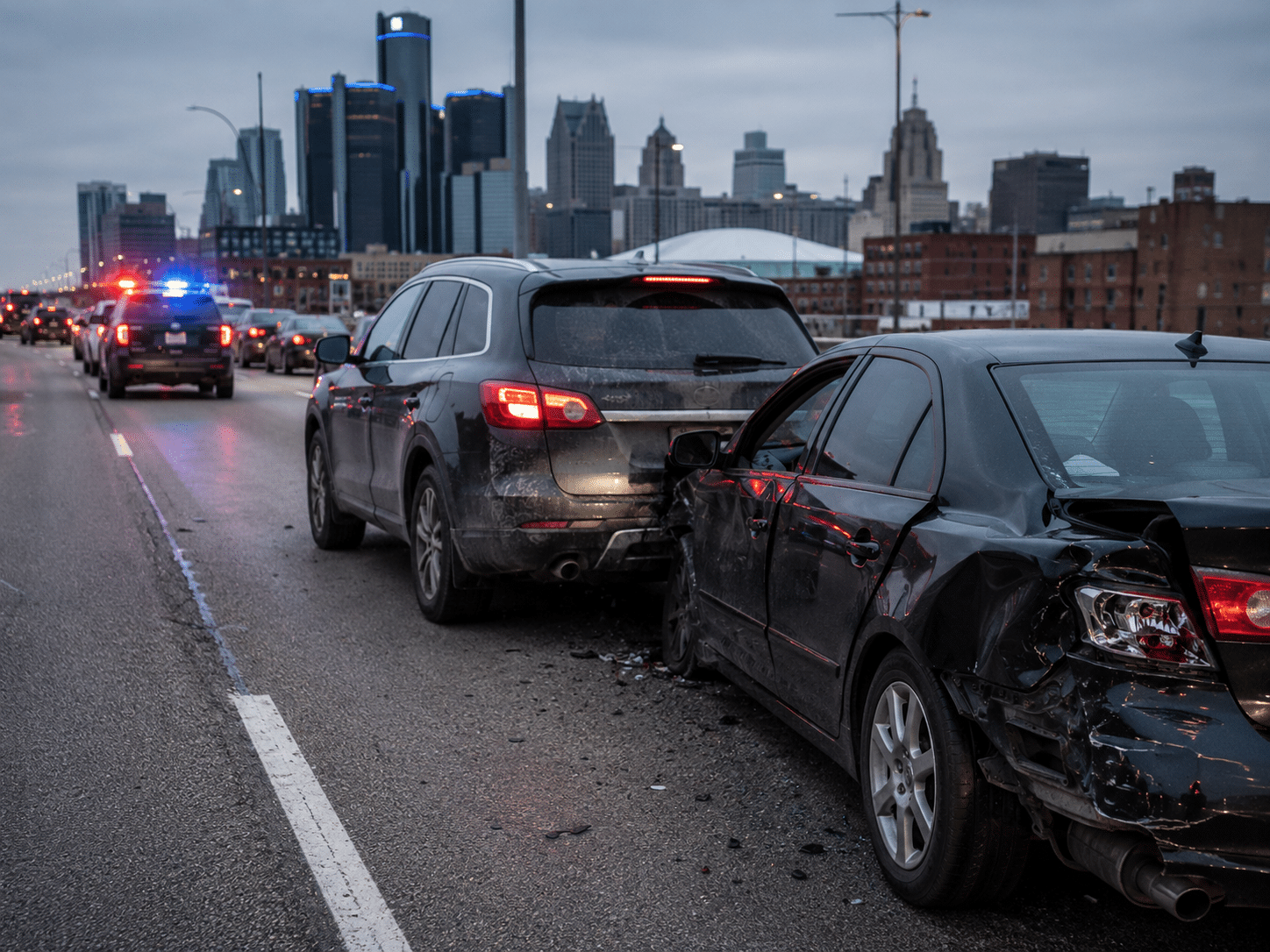
Rear-end collisions are some of the most frequent car accidents in Michigan. They happen daily on busy Detroit highways, local streets, and intersections across the state. While these crashes might seem simple, figuring out who is at fault can be complicated. Insurance companies often look closely at these accidents, especially if there are serious injuries or several vehicles involved.
Many people think the rear driver is always at fault, but that is not always the case. Michigan law allows for fault to be challenged based on how the accident happened. Details like what both drivers did, road conditions, and how the vehicles were driven can all play a role. Knowing how Michigan law treats rear-end accidents can help you protect your rights after a crash.
Why Rear Drivers Are Usually Considered At Fault
Michigan law generally places responsibility on drivers to maintain a safe distance behind other vehicles. Under MCL §257.643, drivers may not follow another vehicle more closely than is reasonable and prudent based on traffic and road conditions. Because of this rule, rear drivers are often presumed to be at fault when they strike the vehicle ahead.
Most rear-end crashes happen because of distracted driving, speeding, following too closely, sudden slowdowns, driver fatigue, or bad weather.
If a driver does not stop in time and hits another car, insurance companies and courts usually see this as proof that the driver was not driving safely.
Situations Where Fault May Be Shared
Rear drivers are often blamed, but sometimes the lead driver can also be responsible. Michigan uses a modified comparative fault system under MCL §600.2959, so more than one person can be found at fault.
Examples include a driver suddenly reversing into another vehicle, brake-checking or intentionally stopping, driving with broken brake lights, unsafe lane changes directly in front of another vehicle, and stopping unexpectedly in moving traffic without reason.
In these cases, insurance companies might say the lead driver helped cause the crash. If both drivers share fault, the injured person’s compensation can be reduced based on their share of responsibility.
Multi-Vehicle Rear-End Accidents In Michigan
Chain-reaction crashes often happen on Michigan highways, especially in winter or during heavy traffic. In these accidents, several cars can hit each other in a row, which makes figuring out who is at fault more complicated.
To figure out who is at fault in a multi-car crash, investigators look at things like damage to the vehicles, police reports, witness statements, traffic camera videos, and data from the cars themselves.
One driver may trigger the crash, but several drivers may still share responsibility. These cases often involve multiple insurance carriers and disputed claims.
Michigan No-Fault Insurance And Rear-End Accidents
Michigan’s No-Fault insurance system affects how compensation works after a rear-end collision. Under MCL §500.3101, injured individuals may receive Personal Injury Protection (PIP) benefits regardless of fault. These benefits may include medical expenses, wage loss benefits, replacement services, and attendant care.
However, when injuries are serious, an injured person may also pursue a third-party claim against the at-fault driver. Under MCL §500.3135, the injured person must show that the crash caused a serious impairment of body function.
Rear-end accidents often result in injuries such as whiplash, herniated discs, traumatic brain injuries, shoulder injuries, and spinal injuries.
Even accidents that happen at moderate speeds can lead to long-lasting medical issues.
How Insurance Companies Dispute Fault
Insurance companies frequently try to reduce liability after rear-end crashes. Even when fault appears obvious, adjusters may argue that the injured driver contributed to the accident.
Common tactics include claiming that the injured driver:
- Stopped suddenly
- Failed to signal
- Had malfunctioning brake lights
- Was partially distracted
We gather evidence as soon as possible before it is lost. Photos, witness statements, dash camera videos, and vehicle inspections can all be important for proving who was at fault.
Why Legal Representation Matters In Rear-End Accident Cases
Claims for rear-end collisions can be more complicated than most people think. Insurance companies often question injuries, treatments, and who was at fault. We investigate the crash, keep important evidence, and fight for the compensation Michigan law provides. Building a strong case requires showing how the accident occurred, documenting injuries, and addressing any comparative fault arguments raised by the defense.
Frequently Asked Questions About Rear-End Collisions In Michigan
Is The Rear Driver Always At Fault In Michigan?
No. Although the rear driver is often presumed to be responsible, Michigan law allows fault to be shared. The lead driver may contribute to the accident in certain situations, such as reversing unexpectedly, driving without functioning brake lights, or making unsafe maneuvers. Every accident must be evaluated based on the facts and evidence.
Can I Recover Compensation If I Was Partially At Fault?
Yes. Michigan follows modified comparative fault rules under MCL §600.2959. An injured person may still recover compensation if they were partially responsible for the crash. However, the recovery may be reduced by the percentage of fault assigned to them. If a person is more than 50 percent at fault, they may be barred from recovering certain damages such as pain and suffering.
Does Michigan No-Fault Insurance Cover Rear-End Accidents?
Yes. Under Michigan’s No-Fault law, Personal Injury Protection benefits are generally available regardless of fault. These benefits may cover medical expenses, lost wages, and replacement services. However, additional compensation for pain and suffering requires meeting Michigan’s serious impairment threshold under MCL §500.3135.
What Injuries Are Common In Rear-End Collisions?
Rear-end crashes frequently cause whiplash, neck injuries, back injuries, concussions, and shoulder injuries. Some symptoms may not appear immediately after the accident. Even lower-speed impacts can lead to chronic pain and long-term medical treatment.
What If The Insurance Company Claims I Stopped Too Fast?
Insurance companies often raise this argument to reduce payouts. Whether sudden braking contributed to the accident depends on the circumstances. Traffic conditions, road hazards, and driver reaction times all matter. Evidence such as dash camera footage and witness statements may help dispute these claims.
How Long Do I Have To File A Claim After A Rear-End Accident In Michigan?
Michigan generally allows three years to file a personal injury lawsuit under MCL §600.5805. However, No-Fault claims involve additional deadlines, including notice requirements for certain benefits. Acting quickly helps preserve evidence and legal rights.
Speak With Our Detroit Car Accident Attorneys About Your Injury Claim
Rear-end accidents can cause painful injuries, medical bills, and problems with insurance. We help injured drivers and passengers across Michigan by investigating crashes, proving who was at fault, and seeking compensation under Michigan law.
If you were hurt in a rear-end collision in Michigan, call our Detroit car accident attorneys at Ravid & Associates, P.C. today by calling (248) 948-9696 to receive your free consultation. We help injured clients in Detroit and all over Michigan from our Southfield office. Let us protect your rights and help you recover.

