
Long-Term Effects of Car Wrecks on Detroit Families
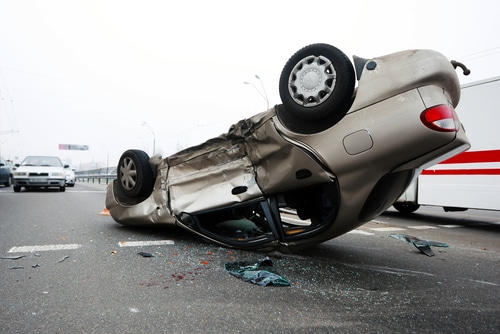
Long-term effects of car wrecks can be devastating on families, extending far beyond the immediate aftermath of an accident. While broken bones and bruises often heal, the ripple effects of car wrecks—physical disabilities, emotional trauma, financial burdens, and legal complexities—can disrupt lives for years. In Detroit, a city with high accident rates, complex insurance laws, and evolving healthcare challenges, these long-term consequences are especially pronounced. Understanding how car accidents impact families is crucial for navigating recovery and rebuilding stability.
Below, we will attempt to shed light on the multifaceted ways car accidents shape the futures of Detroit families. From physical injuries to emotional scars, financial struggles, and legal hurdles, we’ll explore the critical issues families face and provide guidance on how to address them. Whether you’re seeking resources, legal advice, or emotional support, this article will help you better understand the road ahead and how to move forward with confidence.
Physical Long-Term Injuries and Disabilities
Car accidents in Detroit often result in severe injuries that leave lasting marks on victims’ lives. Spinal cord damage, traumatic brain injuries (TBIs), and chronic pain conditions are among the most common long-term physical effects. These injuries can drastically alter a person’s quality of life, making daily tasks challenging and sometimes impossible. For example, TBIs can impair cognitive function, while spinal cord injuries may lead to partial or complete paralysis.
Survivors of such injuries frequently require ongoing medical treatments, specialized rehabilitation programs, and adaptive equipment like wheelchairs or prosthetics. These needs don’t disappear after the initial recovery period; they persist, sometimes indefinitely. The costs associated with these necessities can quickly add up, placing additional strain on already struggling families. For many, the journey to regain independence becomes a lifelong commitment.
In some cases, these injuries result in permanent disabilities that necessitate full-time caregiving by family members. This not only impacts the victim but also places immense pressure on loved ones who must balance caregiving with their own responsibilities. Families facing these challenges may find themselves overwhelmed, underscoring the importance of seeking professional guidance, such as the services offered by Ravid & Associates, to navigate the complexities of long-term care and compensation.
Emotional and Psychological Trauma in Families
Emotional and psychological trauma is another significant consequence of car wrecks, affecting not just the injured individual but the entire family unit. Anxiety, depression, post-traumatic stress disorder (PTSD), and other mental health challenges are common among survivors and their loved ones. For instance, parents may struggle with guilt over the accident, while children might develop irrational fears related to cars or travel.
“Seriously injured persons are provided optimal medical care that enables them to achieve maximum recovery. Injured parties and families have the lifetime medical coverage needed so that they can avoid the threat of bankruptcy due to medical costs.” -Michigan Public
Symptoms of emotional distress vary across age groups. Adults may experience irritability, mood swings, memory problems, or difficulty concentrating. Children, on the other hand, may exhibit regressive behaviors like bed-wetting or thumb-sucking, struggle academically, or show signs of social withdrawal. Recognizing these signs early is essential for addressing underlying issues before they escalate.
Coping with emotional trauma requires patience and access to appropriate resources. Counseling, therapy, and peer support groups can provide much-needed relief for families navigating these challenges. It’s important to remember that seeking professional help is not a sign of weakness but a proactive step toward healing.
“It could happen to anybody at any time. It was simply on the expressway, and he decided to get off the exit at the last minute, and I jerked the wheel and rolled.” -Michigan Public
Financial Burdens and Lost Income
The financial toll of a serious car accident can be overwhelming for Detroit families. Medical bills, rehabilitation costs, lost wages, and diminished earning potential create layers of economic hardship. For families relying on a single breadwinner, the loss of income due to injury or disability can push them into financial instability. Even those with insurance coverage may find gaps in reimbursement, leaving them to shoulder unexpected expenses.
In tragic cases where the accident results in a fatality, surviving family members may pursue wrongful death claims to recover funeral costs, medical bills, and lost income. However, Michigan’s no-fault reforms have introduced new challenges, reducing payouts for certain benefits and complicating the claims process. Navigating these changes requires expert legal assistance from experienced Michigan personal injury attorneys. Their expertise ensures families receive fair compensation during one of the most difficult times of their lives.
“Michigan’s new auto insurance law slashes payments for long-term rehab, home care and residential programs for car crash victims by 45% on July 1. Her current provider could go out of business, with no other that could afford to take its place.” -Michigan Public
Legal Implications and Navigating Michigan’s No-Fault Law
Michigan’s no-fault insurance system was designed to streamline compensation for accident victims, but recent reforms have altered its landscape significantly. Under the updated law, payouts for long-term care, home nursing, and rehabilitation services have been reduced, creating uncertainty for those with catastrophic injuries. Understanding your rights and options under this evolving framework is critical to securing adequate support.
Families dealing with the aftermath of a car wreck should consider consulting experienced attorneys familiar with Michigan’s no-fault system. Legal professionals can help clarify liability disputes, negotiate settlements, and ensure proper documentation for claims. Multi-car accidents or incidents involving catastrophic injuries often involve intricate legal processes, making expert guidance invaluable.
Impact on Children and Adolescents
Children and adolescents are particularly vulnerable to the long-term effects of car wrecks. Beyond physical injuries, they may suffer emotional trauma that manifests in behavioral changes, academic struggles, and disruptions to family routines. Parents might notice regression in behaviors, such as bed-wetting or clinging to caregivers, indicating unresolved distress. Academic performance can decline as students struggle to concentrate or attend school regularly.
Supporting children through these challenges involves accessing available resources, such as counseling services, school accommodations, and peer support groups. Early intervention is key to preventing long-lasting impacts on their development and well-being.
“Options for vent-dependent survivors are extremely limited. Widespread closures of long-term treatment facilities and home care will throw the entire care system for accident survivors into disarray.” -Michigan Public
Systemic Challenges: Access to Care Post-Accident
Detroit families face growing barriers when trying to access long-term care following a car accident. Recent insurance reforms have led to cuts in payments for rehabilitation, home care, and residential programs, forcing many to seek alternative solutions. Provider shortages and rising healthcare costs further exacerbate the problem, leaving families scrambling to fill gaps in care themselves.
Stories abound of families stepping in to provide hands-on care for loved ones, often at great personal sacrifice. Without adequate support, these efforts can lead to burnout or inadequate care, jeopardizing the victim’s recovery.
Community Resources and Support Networks
Numerous organizations and support networks exist to assist Detroit families coping with the long-term effects of car accidents. Nonprofits, legal clinics, and community groups offer practical aid, emotional support, and educational resources. Reaching out to these entities can provide much-needed relief during challenging times. Firms like Ravid & Associates can also connect families with local resources and guide them toward building a strong support system.
Preventative Strategies for Detroit Families
Preventing car accidents starts with adopting safe driving habits and investing in robust insurance policies. Participating in free or low-cost safety programs offered by local organizations can equip drivers with skills to avoid collisions. Additionally, staying informed about Michigan’s no-fault laws and preparing for potential emergencies can reduce risks and ensure readiness for unforeseen events.
Common Signs That a Family Needs Professional Help
Families should watch for warning signs that indicate the need for professional assistance. Chronic stress, persistent behavioral problems, inability to cope, substance abuse, or deteriorating health are red flags that shouldn’t be ignored. Seeking help from legal experts, financial advisors, or mental health professionals can make a significant difference in managing the long-term effects of car wrecks.
FAQs: Long-Term Effects of Car Wrecks on Detroit Families
What are the most common long-term physical effects of car accidents?
Traumatic brain injuries, spinal cord damage, chronic pain, and mobility impairments are among the most frequently reported long-term outcomes for Detroit car accident victims.
How does a car accident affect the mental health of children?
Children may experience regressive behaviors, anxiety, nightmares, academic decline, and social withdrawal, requiring attentive observation and support.
What financial assistance is available to Detroit families after a fatal accident?
Michigan’s auto no-fault law provides survivor’s loss benefits, but recent reforms may limit coverage; consulting a qualified local attorney is critical for families to secure available compensation.
How are Michigan’s no-fault reforms impacting care for accident victims?
Insurance reforms have resulted in significant reductions in coverage for long-term rehabilitation and home care, creating uncertainty and hardship for those with catastrophic injuries.
What resources exist to help families cope with long-term effects?
Community organizations, support groups, legal clinics, and counseling services are available in Detroit to assist families in both practical matters and emotional recovery.
Contact the Detroit Car Accident Lawyers at Ravid & Associates Today
The impact of car wrecks on Detroit families extends years beyond the immediate shock and injury, reshaping lives, finances, and emotional well-being. Adjusting to new realities often involves navigating complicated legal landscapes, overcoming access barriers to specialty care, and rebuilding family dynamics disrupted by grief and disability.
Families facing the long-term effects of car accidents should proactively seek information, professional guidance, and community support. Take action today: consult with specialized lawyers, leverage community resources, and prioritize mental health for all family members. The journey is challenging, but informed steps can make a lasting difference in your family’s recovery and resilience.
If you were injured in an accident directly or indirectly caused by someone else, you may be entitled to monetary compensation. At Ravid & Associates, P.C., our dedicated Detroit personal injury attorneys work to secure damages for you from the party responsible for your injury. You should not have to bear the financial burden of an accident resulting from someone else’s negligent, dangerous behavior. Call (248) 948-9696 to discuss your options with a lawyer.

