
How Dashcam Footage Helps Michigan Accident Injury Claims
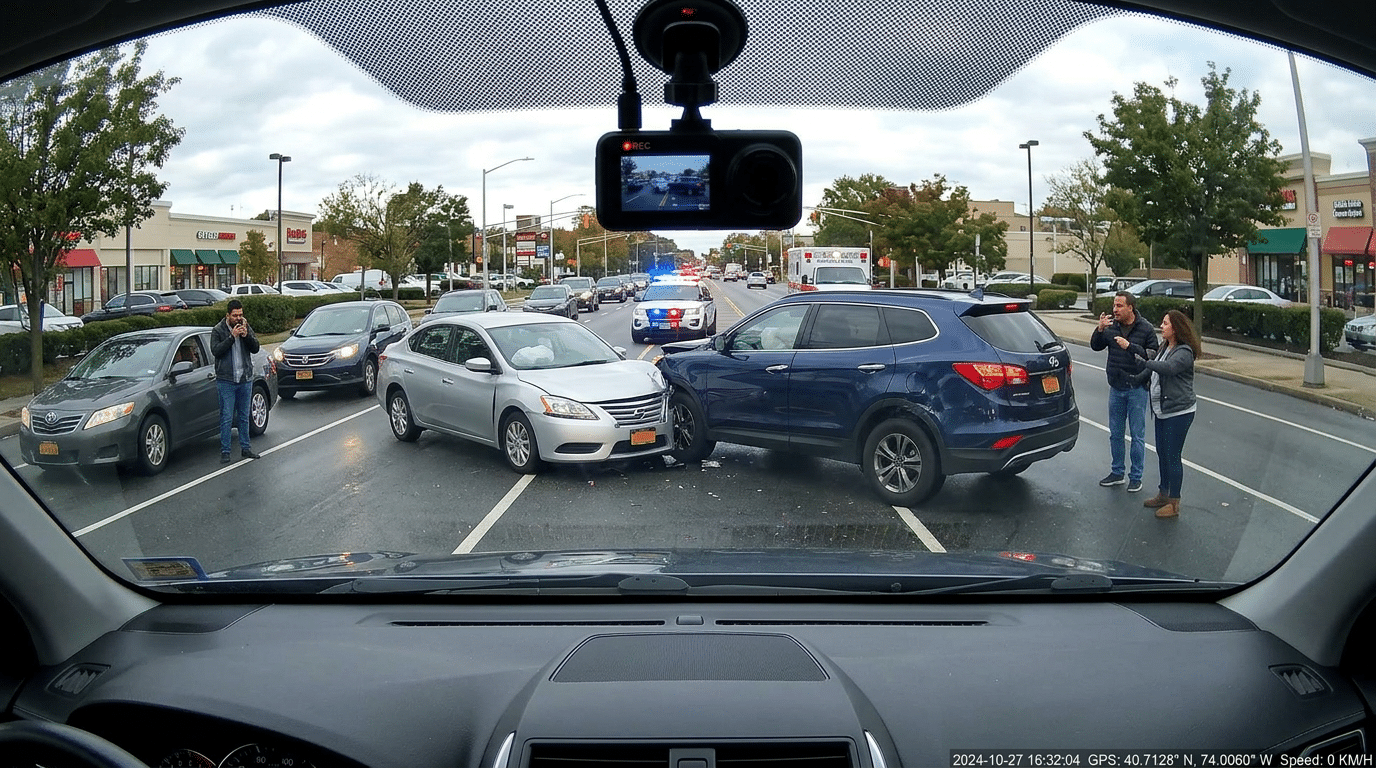
Car accidents often happen in seconds, but the legal and insurance disputes that follow can last for months or even years. One of the most valuable forms of evidence in modern injury claims is dashcam footage. Video captured before, during, and after a collision can help show exactly how a crash occurred, who caused it, and what conditions existed at the scene. In many cases, dashcam footage becomes one of the strongest tools available when fault is disputed.
We regularly work with accident victims whose cases are strengthened by video evidence. Insurance companies may challenge witness statements or attempt to shift blame onto the injured driver, but clear footage can dramatically change the direction of a claim. Michigan law allows dashcam footage to be used as evidence when it is relevant and properly preserved. Understanding how this evidence works can help protect your rights after a serious collision.
Why Dashcam Footage Is Important In Michigan Injury Cases
Dashcam footage provides real-time evidence of what occurred before and during a crash. Unlike witness testimony, which can fade or become inconsistent over time, video footage captures events as they happened.
This evidence may show traffic light sequences, vehicle speed and lane position, sudden braking or reckless driving, distracted driving behavior, road and weather conditions, and the force of the collision.
In Michigan injury cases, proving fault is often critical when pursuing compensation beyond No-Fault benefits. Under Michigan’s No-Fault law, MCL §500.3101, injured drivers may recover Personal Injury Protection (PIP) benefits regardless of fault. However, fault becomes central when pursuing pain and suffering damages against the at-fault driver under MCL §500.3135.
Dashcam footage can help establish negligence and strengthen a third-party injury claim.
How Dashcam Video Can Prove Liability
Many accidents involve conflicting stories. One driver may claim the light was green while another says the opposite. A driver accused of speeding may deny responsibility entirely. Dashcam footage can resolve these disputes quickly.
Video evidence may prove that another driver ran a red light, failed to yield, changed lanes unsafely, followed too closely, or drove recklessly.
Under Michigan law, negligence occurs when a driver fails to use reasonable care. Dashcam footage can provide direct evidence of that failure. In some cases, the footage also captures statements made immediately after the crash, which may later support the claim.
Comparative Fault And Dashcam Evidence
Michigan follows a modified comparative fault system under MCL §600.2959. This means an injured person’s compensation may be reduced if they are partially responsible for the accident.
Insurance companies often try to assign blame to reduce payouts. Dashcam footage may help counter those arguments by showing what actually happened. For example, video evidence may prove that the injured driver was obeying traffic laws or reacting reasonably to dangerous conditions.
This can make a significant difference in the value of an injury claim. Even a small reduction in fault percentage can affect compensation for medical bills, lost income, and pain and suffering.
Preserving Dashcam Footage After A Crash
One of the biggest mistakes drivers make is failing to preserve video footage immediately after an accident. Some dashcams automatically overwrite recordings after a certain period of time. If the footage is lost, critical evidence may disappear permanently.
After a collision, it is important to:
- Save the footage immediately.
- Back up the file to another device.
- Avoid editing or altering the video.
- Preserve footage from before and after the crash.
- Inform your attorney that the recording exists.
We often send preservation letters to prevent the destruction of evidence, especially in commercial vehicle accidents where trucking companies may possess video recordings or onboard camera systems.
Can Dashcam Footage Be Used In Court?
Yes. Michigan courts generally allow dashcam footage to be admitted as evidence if it is relevant and properly authenticated. This means the party presenting the footage must show that the video accurately reflects the events recorded.
Courts may consider whether the footage was altered, whether the timestamp is accurate, the clarity and reliability of the recording, the chain of custody, and preservation.
When properly handled, dashcam footage can become powerful evidence during settlement negotiations or a trial.
Dashcam Footage In Truck And Commercial Vehicle Cases
Commercial trucking cases often involve additional video evidence from onboard fleet cameras. These systems may record
- Driver behavior
- Fatigue or distraction
- Speed and braking patterns
- Traffic conditions
- Interior cab activity
Federal trucking regulations under the Federal Motor Carrier Safety Regulations (FMCSR) may also become relevant when reviewing company safety practices and driver conduct. Dashcam evidence in trucking cases can reveal violations that contribute to liability.
Why Legal Representation Matters When Video Evidence Exists
While dashcam footage can strengthen a case, insurance companies may still attempt to interpret the video in ways that minimize liability. A short clip shown out of context may not tell the full story.
We review footage carefully, preserve the evidence properly, and work to ensure that the full sequence of events is presented accurately. In many cases, video evidence combined with witness testimony, crash reports, and medical documentation creates a much stronger claim.
Frequently Asked Questions About Dashcam Footage In Michigan Injury Claims
Can Dashcam Footage Help Prove Who Caused A Car Accident?
Yes. Dashcam footage often provides direct evidence of how a collision occurred. The video may show traffic violations, reckless driving, speeding, distracted driving, or unsafe lane changes. This evidence can help establish fault and challenge inaccurate statements made by the other driver or insurance company.
Is Dashcam Footage Admissible In Michigan Court?
In many cases, yes. Michigan courts generally allow relevant video evidence if it can be authenticated and shown to accurately represent the events recorded. The footage must also be preserved properly and free from alterations that could affect reliability.
Should I Give My Dashcam Footage To The Insurance Company?
Before providing footage to an insurance company, it is often wise to speak with an attorney. While the footage may support your claim, insurance companies sometimes attempt to interpret evidence in ways that reduce payouts. A lawyer can review the footage first and determine how it should be used.
What If The Other Driver Has Dashcam Footage?
The other driver’s footage may become important evidence in the case. Through the legal process, we may request copies of recordings that relate to the crash. In commercial vehicle cases, this may include onboard fleet camera systems or trucking company recordings.
Can Dashcam Footage Help In Hit-And-Run Cases?
Yes. Dashcam recordings may capture license plates, vehicle descriptions, driver behavior, or the direction the at-fault driver traveled after leaving the scene. This evidence can help law enforcement identify the responsible driver and may support uninsured motorist claims.
Does Dashcam Footage Matter If Michigan Is A No-Fault State?
Yes. While Michigan’s No-Fault system provides certain benefits regardless of fault, liability still matters when pursuing pain and suffering damages against the at-fault driver under MCL §500.3135. Dashcam footage can play a major role in proving negligence and strengthening third-party claims.
Call Our Detroit Traffic Accident Injury Attorneys To Discuss Your Dashcam Evidence
Dashcam footage can become one of the most important pieces of evidence after a serious collision. We work to preserve video evidence, investigate the accident thoroughly, and pursue the compensation allowed under Michigan law. Proper handling of evidence can make a major difference in the outcome of a claim.
If you were injured in a Michigan car accident and dashcam footage may exist, contact our Detroit traffic accident injury attorneys at Ravid & Associates, P.C. today by calling (248) 948-9696 to receive your free consultation. We represent injured clients in Detroit and throughout Michigan from our Southfield office. Let us help protect your rights and build your case.

