
How Dashcam Footage Can Strengthen Your Michigan Car Accident Claim
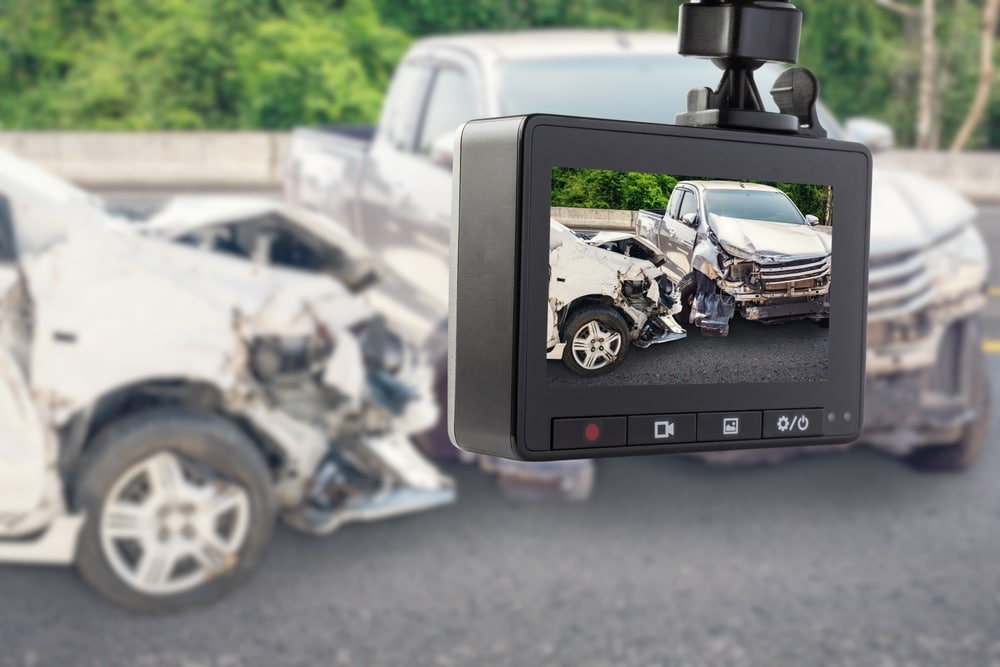
As car accident attorneys serving Detroit and communities across Michigan, we understand how challenging it can be to prove fault after a serious crash. Insurance companies often question what really happened, especially when witnesses disagree or evidence is limited. That’s where dashboard camera, or dashcam, footage can make a tremendous difference. A dashcam captures what happens in real time, offering powerful proof that can confirm your version of events, clarify liability, and help maximize compensation for your injuries and losses. With Michigan’s unique no-fault insurance laws and comparative fault system, clear and objective evidence often determines how much an injured driver can recover.
The Role Of Dashcam Footage In Michigan Car Accident Claims
Under Michigan’s No-Fault Insurance Act (MCL 500.3101 et seq.), every driver must carry Personal Injury Protection (PIP) coverage, which provides benefits for medical expenses, lost wages, and replacement services regardless of who caused the crash. However, when injuries are serious enough to meet the “threshold injury” standard—meaning they cause death, permanent disfigurement, or serious impairment of a body function under MCL 500.3135(1), an injured person can also pursue a liability claim against the at-fault driver.
In those cases, proving fault is critical, and dashcam footage can be one of the strongest forms of evidence. A well-positioned dashcam records events before, during, and after an accident, showing traffic conditions, driver behavior, and even weather or lighting at the scene. Video evidence can confirm speeding, failure to yield, running a red light, or texting while driving—details that might otherwise be disputed.
How Dashcam Evidence Supports Fault Determinations
Michigan follows a comparative negligence system under MCL 600.2959, meaning a victim’s recovery can be reduced if they are found partially at fault for the accident. If you are more than 50% at fault, you cannot recover non-economic damages such as pain and suffering. Because insurance adjusters often argue shared fault to reduce payouts, having dashcam footage can make a significant difference in establishing liability.
We often use dashcam footage to show that our client obeyed traffic laws while the other driver acted negligently, whether by tailgating, making an unsafe lane change, or running a red light. The footage provides an impartial record that cannot be influenced by memory or opinion. In court, this type of evidence carries considerable weight with judges and juries, especially when supported by accident reconstruction or eyewitness testimony.
Admissibility Of Dashcam Footage In Michigan Courts
Michigan courts generally allow dashcam footage as evidence if it is relevant, authentic, and has not been tampered with. Under Michigan Rule of Evidence 401, evidence is relevant if it makes a fact more or less probable than it would be without the evidence. Attorneys must also demonstrate authenticity under MRE 901(a), showing that the video accurately represents what occurred.
To maintain credibility, it’s essential to preserve the original file and avoid any editing or alteration. We often advise clients to make a secure copy of the footage immediately after an accident and to document how and when the recording was obtained. When properly handled, dashcam evidence can be used during negotiations with insurance companies and presented in court if the case proceeds to trial.
Common Situations Where Dashcams Make A Difference
Dashcams are particularly valuable in cases involving:
- Hit-and-Run Accidents – The footage may capture the fleeing vehicle’s make, model, and license plate.
- Intersection Collisions – Video can show who had the right of way or which driver ran a red light.
- Rear-End Crashes – A recording can prove that the driver behind was following too closely or was distracted.
- Disputed Police Reports – When officers are not present at the moment of impact, dashcam footage provides the most accurate account.
In many cases, video evidence has helped us secure settlements that might otherwise have been delayed or denied due to uncertainty about fault.
Privacy And Legal Considerations
Drivers often ask whether using a dashcam is legal in Michigan. The answer is yes, as long as it does not obstruct the driver’s view under MCL 257.709(1)(c), which prohibits objects that interfere with visibility through the windshield. Recording in public spaces, including roads and highways, is also permissible because drivers do not have a reasonable expectation of privacy in those areas. However, Michigan’s eavesdropping law (MCL 750.539c) restricts recording private conversations without consent, so dashcams with audio functions should be used cautiously.
How Dashcams Help With Insurance Claims
Insurance companies often look for reasons to deny or undervalue claims. Dashcam footage allows us to present clear proof of negligence and counter arguments that downplay your injuries or blame you for the crash. In cases involving multiple vehicles, the video helps establish the sequence of impact and prevent false statements from other drivers.
In short, dashcams provide the evidence needed to hold negligent drivers accountable and help our clients recover full compensation under Michigan law.
FAQs About Dashcam Footage And Michigan Car Accident Claims
Can Dashcam Footage Be Used As Evidence In My Michigan Car Accident Case?
Yes. Courts in Michigan generally accept dashcam footage as admissible evidence if it is relevant, authentic, and unaltered. The footage can support your version of events and help establish fault in both insurance negotiations and court proceedings.
Do I Need To Tell The Other Driver That I’m Recording?
No. Because Michigan’s roads and highways are public spaces, you are allowed to record video without notifying other drivers. However, if your dashcam records audio, it is best to disable that function or get consent, since Michigan has strict eavesdropping laws prohibiting recording private conversations without permission.
Will My Insurance Company Accept Dashcam Footage?
Most insurance carriers will review dashcam footage if it is submitted promptly after the accident. It can help verify what happened and speed up claim approval. Always keep a backup copy and provide the footage through your attorney to ensure proper chain of custody.
What If The Dashcam Shows I Was Partially At Fault?
Under Michigan’s comparative negligence law (MCL 600.2959), you can still recover damages even if you share some fault, as long as you are 50% or less responsible for the accident. However, your compensation will be reduced by the percentage of fault you bear. We review all evidence carefully to determine how best to present your claim.
Can Dashcam Footage Protect Me From False Claims?
Absolutely. In cases where the other driver changes their story or files a fraudulent claim, dashcam video can serve as proof of what really happened. It can also help protect you from being unfairly blamed for an accident you did not cause.
Should I Get A Dashcam For My Vehicle?
We recommend it. Dashcams are affordable, easy to install, and can be the deciding factor in proving liability after an accident. Having video evidence gives you peace of mind knowing that you have an unbiased witness ready whenever you need it.
Call Ravid & Associates, P.C. Today For A Free Consultation
If you’ve been injured in a car accident in Michigan, clear evidence can make all the difference in securing the compensation you deserve. Our legal team at Ravid & Associates, P.C. has decades of experience representing injured drivers and passengers throughout Detroit and the entire state of Michigan. We know how to use dashcam footage and other critical evidence to build strong, results-driven claims. Call our Detroit auto accident lawyers at Ravid & Associates, P.C. today at (248) 948-9696 to receive your free consultation.

