
Can an Insurance Company Refuse to Pay for Future Medical Treatment?
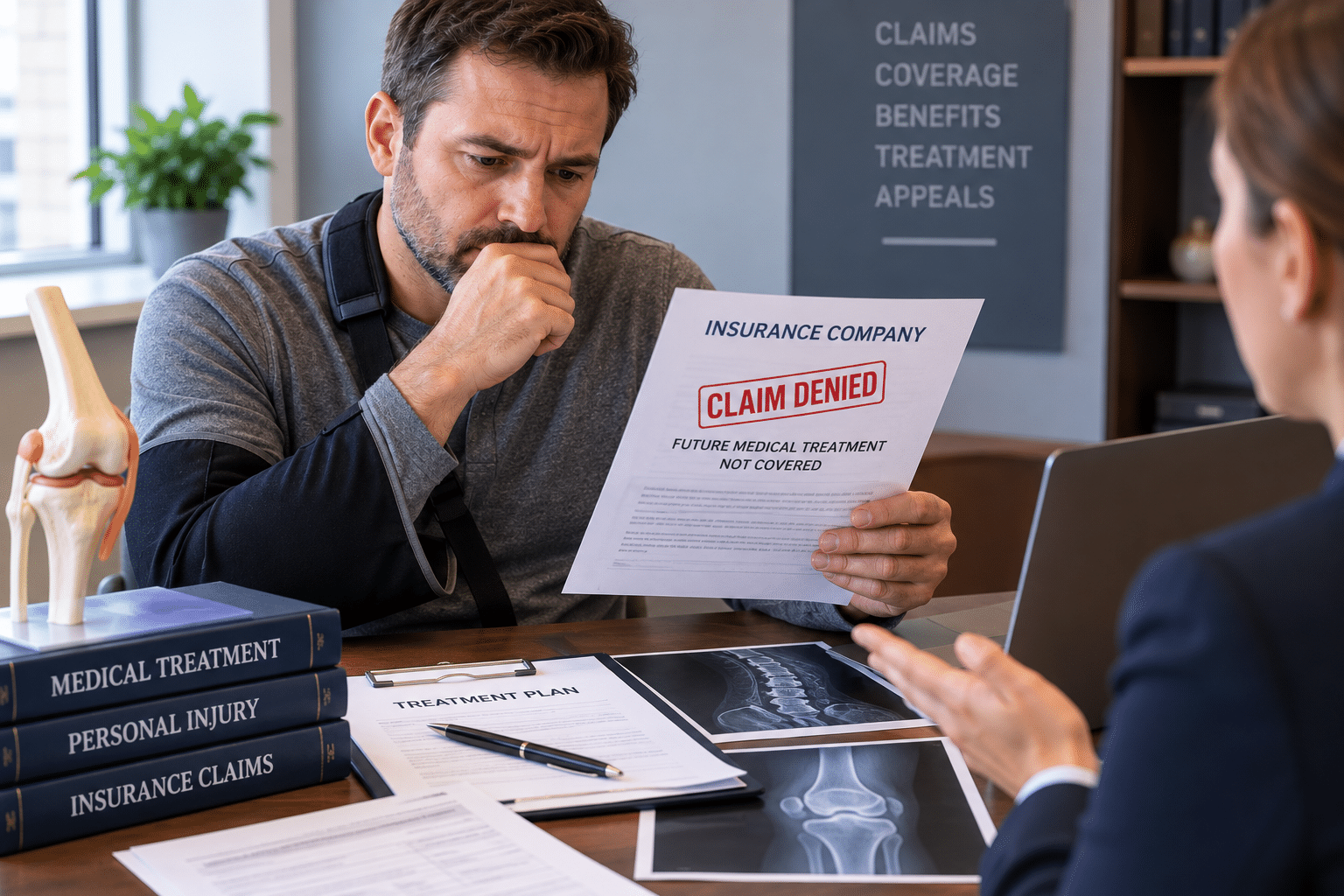
A serious Detroit car accident can leave an injured person needing medical treatment long after the immediate injuries have stabilized. Surgery may be recommended months later, physical therapy may continue for an extended period, or doctors may anticipate injections, rehabilitation, assistive devices, or another procedure in the future. When that happens, one of the most important questions is who will pay for the care. Insurance companies do not automatically agree to every future medical expense simply because a doctor recommends it. They may dispute whether treatment is related to the accident, medically necessary, reasonable in cost, or covered by the applicable policy.
We help injured people evaluate these disputes before a denied medical bill turns into a much larger financial problem. Michigan’s No-Fault system provides important protection for accident-related medical treatment, but the rules are more complicated than simply saying that all future care must be paid. Your PIP coverage selection, medical evidence, insurance policy, and the type of claim involved can all affect what compensation is available.
Michigan No-Fault Insurance Can Cover Ongoing Medical Treatment
Michigan’s No-Fault Act allows Personal Injury Protection benefits for certain accident-related medical expenses. Under MCL 500.3107(1)(a), PIP benefits may include reasonable charges incurred for reasonably necessary products, services, and accommodations for an injured person’s care, recovery, or rehabilitation.
That language matters. Treatment generally must be connected to injuries caused by the motor vehicle accident and reasonably necessary for the injured person’s care or recovery.
Depending on the injury, covered treatment may include surgery, diagnostic testing, physical therapy, rehabilitation, prescription medication, medical equipment, attendant care, and other qualifying services.
However, Michigan’s current No-Fault system also allows policyholders to select different levels of PIP medical coverage under MCL 500.3107c. The amount of available PIP medical coverage therefore may depend on the policy that applies to the accident.
Future Treatment Is Different From A Medical Bill Already Incurred
There is an important distinction between treatment that doctors expect you will need and treatment that has actually been provided.
Under MCL 500.3107, PIP allowable expenses are based on charges that have been incurred. An insurance company generally is not required simply to hand an injured person money today for every medical procedure that might occur years from now.
Instead, ongoing medical expenses may become payable as qualifying treatment is actually provided and the expense is incurred.
This does not mean future medical care is unimportant. Quite the opposite. A physician’s recommendation for future surgery, rehabilitation, injections, or other treatment can become highly significant when evaluating the long-term value of an injury claim.
Why An Insurance Company May Deny Future Treatment
Insurance companies may challenge ongoing or proposed care for several reasons. They may claim that the treatment is unrelated to the collision, that the injury existed before the accident, that the proposed procedure is unnecessary, or that the cost is unreasonable.
For example, an insurer may initially pay for treatment for a herniated disc but later dispute a surgeon’s recommendation for spinal surgery. The insurer might argue that degenerative changes rather than the crash caused the condition.
We look closely at the medical history, imaging studies, physician opinions, accident mechanics, prior symptoms, and treatment progression. The issue is often not simply whether a condition existed before the collision, but whether the accident caused or materially worsened the condition requiring treatment.
The Insurance Company May Request A Medical Examination
Michigan law gives No-Fault insurers certain rights to request medical examinations.
Under MCL 500.3151, an insurer may require an injured person claiming PIP benefits to submit to a mental or physical examination when the person’s condition is material to the claim and the statutory requirements are satisfied.
The insurer may use the examining physician’s opinion to argue that continued treatment is unnecessary or unrelated to the accident. A disputed examination can become a major turning point in a claim, particularly when the treating doctor recommends additional care and the insurer’s doctor disagrees.
We review these disputes carefully because terminating benefits can leave an injured person facing significant medical bills while still requiring treatment.
Future Medical Expenses May Also Matter In A Claim Against The At-Fault Driver
Michigan No-Fault benefits are not the only potential source of recovery after a serious accident.
Under MCL 500.3135, an injured person may have a third-party claim against an at-fault driver when the legal requirements are met. Michigan law permits tort claims for noneconomic damages when a person suffers death, permanent serious disfigurement, or a serious impairment of body function. The statute also permits recovery of certain economic losses that fall outside the No-Fault system.
Future medical needs can become important when evaluating the damages caused by a serious injury. If doctors reasonably expect additional surgeries, rehabilitation, medical equipment, or long-term care, those anticipated consequences can affect how we value the case.
Medical opinions must support these claims. Mere speculation that treatment might someday be necessary is generally far weaker than a documented medical recommendation explaining what treatment is expected and why.
A Settlement Can Affect Who Pays For Future Treatment
Before accepting a settlement, we consider what medical care the injured person may still need.
A settlement with the at-fault party generally resolves the claims covered by that settlement. Once the case is resolved, the injured person usually cannot return later and demand more money from the same defendant simply because the injury worsened or additional treatment became necessary.
That is one reason we do not evaluate serious injury claims based only on medical bills that have already arrived. We consider the prognosis, future procedures, permanent restrictions, anticipated rehabilitation, ability to work, and other long-term consequences before recommending that a client accept a settlement.
Deadlines Can Affect Claims For Unpaid Medical Benefits
Michigan imposes strict deadlines on No-Fault benefit disputes.
Under MCL 500.3145, written notice of an injury generally must be provided within one year of the accident unless the insurer previously paid PIP benefits. When proper notice has been given or payment has been made, the statute contains additional rules governing when an action may be filed and how far back unpaid benefits may be recovered.
The statute also provides for tolling in certain circumstances between a specific claim for payment and the insurer’s formal denial, provided the claim is pursued with reasonable diligence.
These rules make it risky to simply leave unpaid medical bills unresolved for a long period.
Medical Documentation Can Decide The Dispute
Future treatment claims become much stronger when doctors clearly document why the care is necessary.
We may examine medical records addressing the diagnosis, accident causation, treatment already attempted, response to conservative care, prognosis, permanent limitations, and recommended future procedures. Imaging studies and specialist reports may also help demonstrate why treatment remains necessary.
When an insurer challenges future or ongoing care, the medical evidence often determines whether the denial can be successfully contested.
Frequently Asked Questions About Future Medical Treatment After A Michigan Accident
Can My Michigan No-Fault Insurer Stop Paying For Treatment Even If My Doctor Says I Still Need It?
An insurer may dispute continued treatment, but that does not necessarily mean its position is correct. Under MCL 500.3107, qualifying PIP medical expenses must involve reasonable charges for reasonably necessary care, recovery, or rehabilitation. The insurer may obtain medical records, request an examination under MCL 500.3151, or argue that further treatment is unnecessary. We can review the medical evidence and the basis for the denial to determine whether unpaid benefits should be challenged.
Will No-Fault Insurance Pay Today For A Surgery My Doctor Says I May Need Next Year?
Generally, PIP medical benefits concern expenses as they are incurred rather than providing an immediate lump-sum payment for every possible future treatment. If the surgery later occurs and otherwise qualifies as a covered allowable expense, a claim may be submitted for payment subject to the applicable PIP coverage, policy terms, and Michigan law. The recommendation for future surgery may also be important when evaluating a separate liability claim against an at-fault driver.
What If The Insurance Company Says My Future Treatment Is For A Pre-Existing Condition?
A pre-existing medical condition does not automatically mean an insurer can refuse every accident-related medical expense. The issue may be whether the crash caused a new injury or aggravated an existing condition. We often compare pre-accident medical records with post-accident imaging, symptoms, treatment, and physician opinions to determine what changed after the collision.
Should I Settle My Injury Claim Before I Know Whether I Need Surgery?
That decision deserves careful consideration. Once a liability claim is fully settled and released, it usually cannot be reopened simply because additional treatment becomes necessary. When doctors believe surgery or substantial future care may be required, we consider those anticipated medical needs before evaluating whether a proposed settlement fairly reflects the long-term consequences of the injury.
Talk To Ravid & Associates, P.C. About Denied Or Future Medical Treatment
When an insurance company questions necessary medical care after a serious accident, the consequences can extend far beyond a disputed bill. Treatment delays can affect recovery, while an early settlement may fail to account for surgery or rehabilitation that becomes necessary later. We evaluate the medical evidence, applicable insurance coverage, accident-related injuries, and available claims before advising our clients about their legal options.
If an insurance company has refused to pay for accident-related treatment or you are concerned about who will pay for future medical care, call our Detroit car accident lawyers at Ravid & Associates, P.C. today at (248) 948-9696 to receive your free consultation. We represent injured clients in Detroit and throughout the state of Michigan from our office location in Southfield, Michigan. We can review the insurance dispute, evaluate the medical evidence, and determine what options may be available to pursue payment and compensation under Michigan law.

