
Detroit Pedestrian Wrongful Death Claims Involving Drunk Drivers
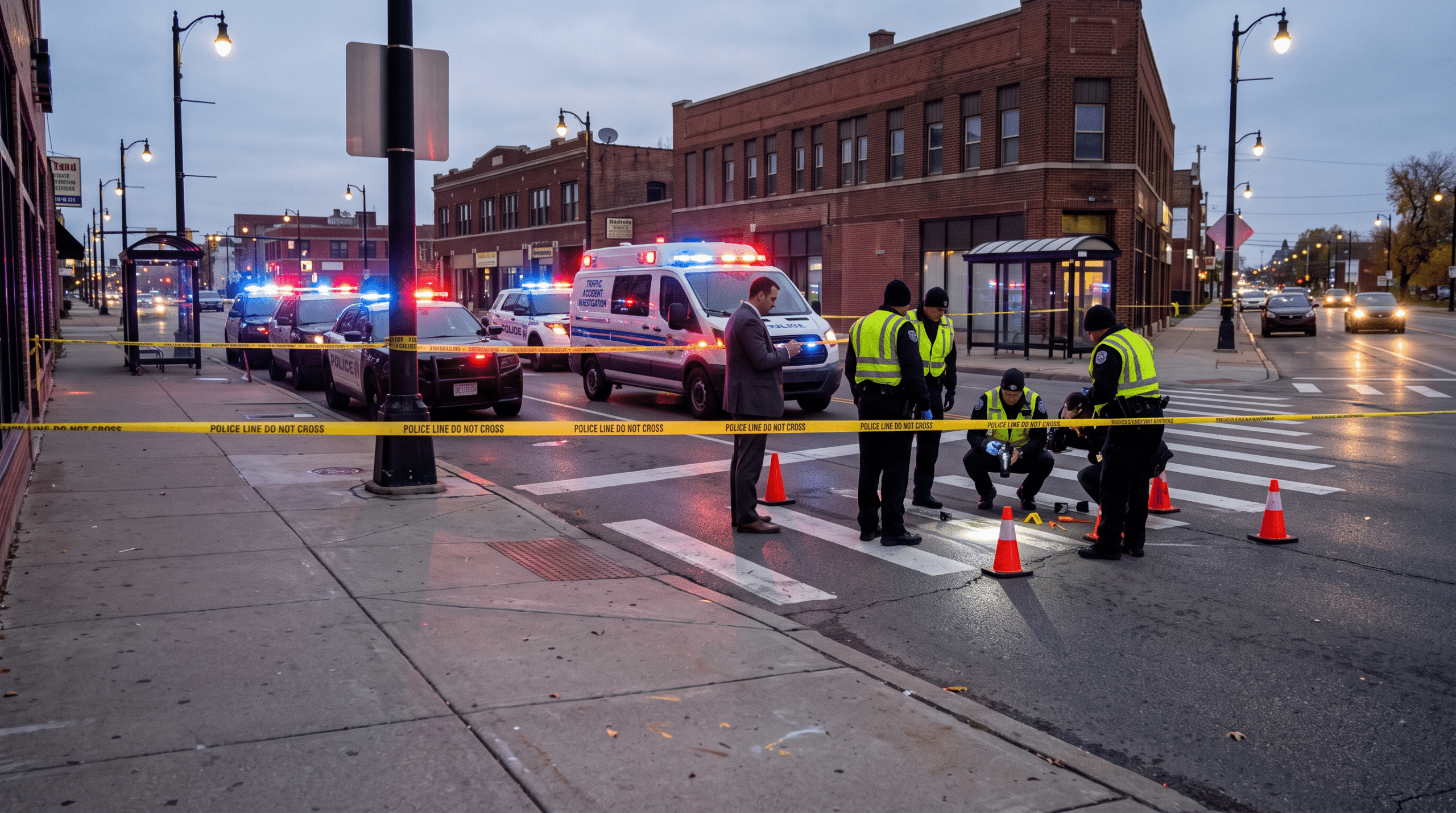
A pedestrian has virtually no physical protection when struck by a motor vehicle, and the consequences can be fatal when an impaired driver is involved. Families left behind after these crashes may face funeral expenses, lost financial support, profound grief, and unanswered questions about how the collision was allowed to happen. When alcohol or another intoxicating substance contributed to a pedestrian’s death, a criminal prosecution against the driver may follow, but the criminal case does not replace the family’s right to pursue a civil wrongful death claim. Michigan law allows certain losses resulting from a wrongful death to be pursued through the deceased person’s estate. We represent families seeking accountability and financial compensation after fatal pedestrian crashes in Detroit and throughout Michigan.
How Michigan Law Treats A Fatal Pedestrian Crash Caused By A Drunk Driver
Michigan prohibits operating a motor vehicle while intoxicated under MCL 257.625. A driver may violate the statute by operating under the influence of alcohol, controlled substances, or other intoxicating substances, or by operating with a prohibited bodily alcohol content.
When impaired driving causes another person’s death, the driver may face serious criminal consequences under Michigan law. A criminal prosecution, however, is brought by the government. A wrongful death lawsuit serves a different purpose. It allows the deceased pedestrian’s estate and qualifying family members to seek compensation for losses caused by the driver’s conduct.
A family does not have to choose between the criminal case and the civil claim. Both proceedings may arise from the same fatal collision.
Filing A Michigan Wrongful Death Claim After A Pedestrian Fatality
Michigan’s Wrongful Death Act, MCL 600.2922, applies when a person’s death results from the wrongful act, neglect, or fault of another person.
The lawsuit must be brought by the personal representative of the deceased person’s estate. That requirement is important because individual relatives generally do not simply file separate wrongful death lawsuits in their own names. The estate acts as the legal vehicle through which the claim proceeds.
We examine the crash itself, the driver’s impairment, available insurance coverage, the deceased pedestrian’s losses, and the losses suffered by qualifying family members before determining how the civil case should be pursued.
Proving The Drunk Driver Caused The Pedestrian’s Death
Evidence of intoxication can be extremely important, but we still must establish the connection between the driver’s conduct and the fatal collision.
We may examine police reports, crash-scene photographs, surveillance recordings, witness testimony, body-camera footage, vehicle data, toxicology results, breath or blood testing, bar or restaurant receipts, cell phone records, and the driver’s statements.
The location of the pedestrian can also matter. We investigate traffic signals, crosswalk markings, lighting, vehicle speed, sight distances, and whether the driver attempted to brake before impact.
Insurance companies may try to place some blame on the pedestrian even when the driver was intoxicated. We do not assume the insurer’s version of events is correct. We develop the facts independently and determine what actually caused the collision.
Compensation Available Through Michigan’s Wrongful Death Act
Under MCL 600.2922, wrongful death damages may include losses that go far beyond the immediate expenses resulting from the crash.
Depending on the facts, recoverable damages may address reasonable medical, hospital, funeral, and burial expenses. Compensation may also be available for the deceased person’s conscious pain and suffering before death, if supported by the evidence.
Family members may have claims based on the loss of financial support as well as the loss of the deceased person’s society and companionship. The value of these losses can be substantial when a spouse, parent, child, or other qualifying family member is suddenly killed.
We also examine the deceased person’s age, employment, earnings, family relationships, life circumstances, and financial contributions when documenting the full extent of the loss.
Michigan No-Fault Law May Also Affect A Fatal Pedestrian Claim
Michigan’s no-fault automobile insurance system can apply when a pedestrian is struck by a motor vehicle. The availability and priority of no-fault benefits depend on the circumstances of the accident and applicable coverage.
A wrongful death tort claim against the responsible driver is separate from available no-fault benefits. Under MCL 500.3135, death is one of the statutory circumstances that permits tort liability for noneconomic loss arising from the ownership, maintenance, or use of a motor vehicle.
Because several insurance policies and legal claims can potentially apply after a fatal pedestrian collision, we identify all available sources of compensation instead of looking only at the impaired driver’s basic liability coverage.
Could A Bar Or Restaurant Also Be Responsible?
Some drunk-driving pedestrian deaths require an investigation into where the driver obtained alcohol before the crash.
Michigan’s dram-shop law, MCL 436.1801, may permit a claim against a licensed alcohol retailer in certain circumstances when alcohol was unlawfully furnished to a visibly intoxicated person and that unlawful furnishing was a proximate cause of the injury or death.
These cases carry requirements and deadlines that differ from an ordinary motor vehicle claim. The statute generally imposes a two-year period for bringing a dram-shop action and includes a written notice requirement after an attorney-client relationship is established for pursuing that claim.
We therefore investigate potential alcohol-provider liability early when the facts suggest that a bar, restaurant, nightclub, or other licensed establishment may have continued serving the driver despite visible intoxication.
Why Preserving Evidence Quickly Is Important
Evidence surrounding intoxication can disappear rapidly. Surveillance footage may be overwritten. Employees who served the driver may leave their jobs. Receipts, electronic payment records, and witness recollections can become harder to obtain as time passes.
The vehicle itself may also contain important electronic information about speed, braking, and driver inputs immediately before the collision. Nearby businesses, residences, traffic cameras, or doorbell cameras may have captured the pedestrian, the vehicle, or the impact.
We work to identify and preserve this evidence before it is lost.
The Criminal Case Does Not Determine The Value Of The Wrongful Death Claim
Families sometimes believe they must wait for a drunk-driving prosecution to finish before pursuing compensation. That is not necessarily the case.
The criminal and civil systems have different purposes, procedures, and standards of proof. Criminal charges can provide useful evidence, but our wrongful death investigation proceeds with the family’s civil rights in mind.
Even a guilty plea or conviction does not automatically establish the amount of compensation the family should receive. We still must prove the damages caused by the death and pursue all responsible parties and available insurance coverage.
Frequently Asked Questions About Detroit Pedestrian Wrongful Death Claims Involving Drunk Drivers
Who Can Bring A Wrongful Death Lawsuit After A Pedestrian Is Killed In Michigan?
Under MCL 600.2922, the wrongful death action is brought by the personal representative of the deceased person’s estate. The statute identifies individuals who may be entitled to damages, which can include the deceased person’s spouse, children, descendants, parents, grandparents, siblings, and certain other persons depending on the circumstances. The personal representative provides required notices, pursues the case, and ultimately addresses the distribution of wrongful death proceeds according to Michigan law and court procedures.
Can We Sue The Drunk Driver Even If Criminal Charges Are Pending?
Yes. A criminal prosecution and a civil wrongful death lawsuit are separate legal proceedings. Prosecutors pursue criminal penalties on behalf of the state, while the wrongful death case seeks financial recovery for losses caused by the death. We may use evidence developed through the crash investigation and criminal proceedings when legally available, but we do not rely solely on the prosecutor’s case to protect the family’s civil claim.
Can A Bar Be Sued If It Served The Driver Before The Fatal Crash?
Possibly. Under MCL 436.1801, Michigan law may allow a dram-shop claim when a licensed establishment unlawfully furnishes alcohol to a visibly intoxicated person and that conduct is a proximate cause of the subsequent death. These claims have specific evidentiary requirements, notice provisions, and deadlines. We investigate receipts, witnesses, surveillance footage, payment records, and other evidence to determine whether a viable claim against an alcohol retailer exists.
What Compensation Can A Family Recover After A Fatal Pedestrian Accident?
Michigan’s Wrongful Death Act permits recovery of damages considered fair and equitable based on the losses proven. Depending on the case, those damages can include funeral and burial costs, qualifying medical expenses, lost financial support, conscious pain and suffering experienced before death, and loss of society and companionship. We evaluate the deceased person’s financial contributions and relationships with family members when establishing the scope of the losses.
What If The Insurance Company Claims The Pedestrian Was Partially Responsible?
We investigate any comparative-fault allegation carefully. An insurer may argue that the pedestrian crossed outside a marked crosswalk, entered the roadway unexpectedly, ignored a signal, or otherwise contributed to the collision. Those allegations do not automatically establish fault. We examine physical evidence, traffic controls, sight lines, video recordings, witness statements, vehicle speed, and the impaired driver’s actions before accepting any attempt to shift responsibility to the deceased pedestrian.
Speak With Ravid & Associates, P.C. About A Detroit Pedestrian Wrongful Death Claim
A fatal pedestrian collision caused by an intoxicated driver can leave a family facing losses that cannot be measured by medical bills and funeral expenses alone. We investigate how the crash happened, the driver’s impairment, available insurance policies, potential third-party liability, and the financial and personal losses suffered by the family.
When evidence suggests that a bar or other licensed establishment may have unlawfully served a visibly intoxicated driver, we can also examine whether Michigan’s dram-shop law provides an additional claim. Identifying every potentially responsible party can be particularly important when the drunk driver’s insurance coverage is insufficient to address the magnitude of the family’s loss.
If your loved one was killed by a drunk driver while walking in Detroit or elsewhere in Michigan, call our Detroit fatal accident attorneys at Ravid & Associates, P.C. today by calling (248) 948-9696 to receive your free consultation. We represent families in Detroit and throughout the entire state of Michigan from our office locations in Southfield, Michigan.

