
Why Insurance Companies Dispute Car Accident Injuries
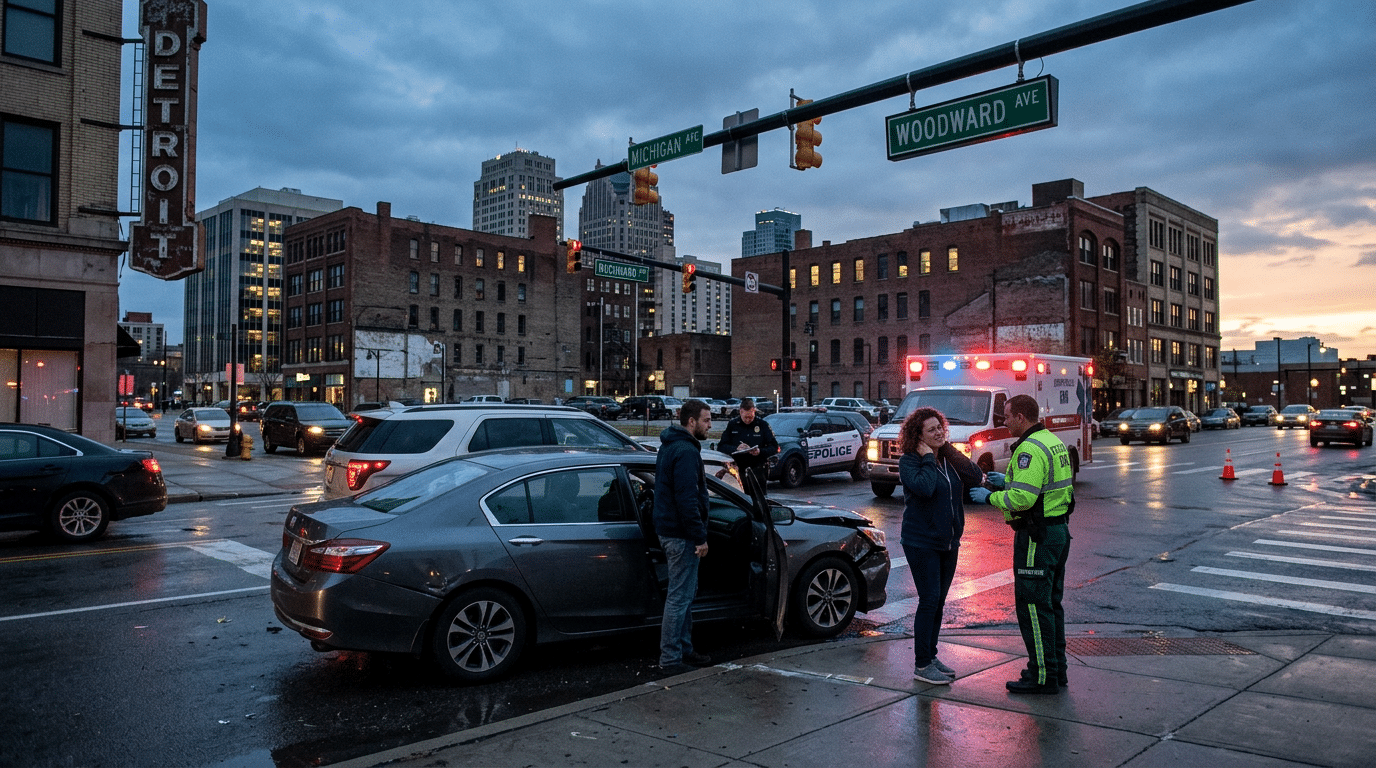
After a serious car accident in Detroit, most people expect the insurance company to review their claim fairly and pay for real injuries. Sadly, this is not always the case. Insurance companies are businesses that work to control costs and protect their bottom line. Even when it seems obvious who is at fault and medical records back up your claim, insurers often try to find reasons to pay less, delay payment, or deny compensation.
This process can be frustrating and confusing for accident victims. Many are already coping with pain, doctor visits, lost wages, and worries about what comes next. When an insurance company questions how serious your injuries are or says you do not need treatment, the claims process can feel overwhelming. We help people across Michigan who face these problems. Knowing why insurance companies dispute injury claims can help you protect your rights and avoid mistakes that could hurt your case.
Insurance Companies Are Focused On Limiting Financial Exposure
Insurance companies collect premiums from their customers and pay claims when losses are covered. They must investigate claims by law, but they also want to limit how much they pay out whenever they can.
Large injury claims can involve substantial compensation for medical expenses, lost wages, pain and suffering, future treatment, and long-term disability. The larger the potential payout, the more scrutiny a claim often receives. Insurance adjusters are trained to evaluate claims carefully and look for information that may reduce the company’s financial exposure.
This does not mean every denial is dishonest. But it does mean that insurance companies often see claims differently than the people who are hurt. Their main goal is to lower risk and control costs, while injured people just want fair compensation for their losses.
Insurance Companies Often Question Whether The Accident Caused The Injury
Insurers often argue that the injury was not caused by the accident. This comes up a lot when someone already had a medical condition, an old injury, or age-related changes before the crash.
For example, a person may suffer a herniated disc after a collision. The insurance company may review prior medical records and argue that the condition existed before the accident. Similarly, insurers often point to arthritis, degenerative disc disease, or previous orthopedic injuries as evidence that current symptoms are unrelated to the crash.
Michigan law generally allows compensation when an accident aggravates a preexisting condition. However, proving that aggravation often requires detailed medical documentation and testimony from treating physicians. Insurance companies know that causation disputes can significantly affect claim values, which is why these arguments are so common.
We often work with doctors to show how an accident made a previous condition worse or caused new symptoms that were not there before the crash.
Delays In Medical Treatment Often Lead To Injury Disputes
Insurance companies closely examine the timeline between the accident and the injured person’s medical treatment. When treatment is delayed, insurers often argue that the injury could not have been serious or may have resulted from some other event.
In reality, delayed symptoms are common after car accidents. Adrenaline and shock can mask pain for hours or even days. Soft tissue injuries, concussions, and certain spinal injuries frequently worsen over time rather than appearing immediately.
Despite this reality, insurance adjusters often use treatment gaps as a basis for questioning the claim. They may argue that a delay in seeking care suggests the injury was minor or unrelated to the collision. This is one reason why obtaining prompt medical evaluation after an accident can be so important.
Medical records created shortly after a crash often become critical evidence linking the injury to the accident.
Michigan’s Serious Impairment Threshold Creates Additional Disputes
Michigan’s No-Fault system adds another layer of complexity to many injury claims. Under MCL 500.3135, individuals seeking pain and suffering damages generally must demonstrate a serious impairment of body function, permanent serious disfigurement, or death.
Insurance companies frequently dispute whether an injury meets this threshold. They may acknowledge that a person was injured while simultaneously arguing that the injury does not significantly affect the person’s normal life.
For example, an insurer may agree that a fractured wrist occurred but contend that the fracture healed without substantial long-term consequences. Similarly, they may argue that neck injuries, back injuries, or traumatic brain injuries are not severe enough to satisfy Michigan’s legal requirements.
These disputes often become central issues in litigation because meeting the threshold is necessary before many non-economic damages can be recovered.
Surveillance, Social Media, And Recorded Statements Are Commonly Used Against Injury Victims
Insurance companies often investigate injury claims beyond medical records. Adjusters may review social media accounts, examine photographs, monitor public activity, and request recorded statements.
A photograph showing an injured person attending a family event or participating in a routine activity may be taken out of context and used to argue that injuries are less severe than claimed. Likewise, recorded statements obtained shortly after an accident may contain inconsistencies that insurers later use against the claimant.
Most people are unfamiliar with how these investigations work. Something that seems harmless can be misinterpreted when viewed without context. Insurance companies often compare statements, medical records, and other evidence, looking for discrepancies that may weaken the claim. Careful communication and documentation can help reduce these risks.
Comparative Fault Can Also Affect Injury Claims
Michigan follows a modified comparative fault system under MCL 600.2959. Under this law, compensation may be reduced if an injured person shares responsibility for the accident.
Insurance companies frequently investigate whether they can assign partial fault to the injured person. They may argue that a driver was speeding, distracted, failed to maintain a proper lookout, or otherwise contributed to the collision.
Even a modest allocation of fault can significantly reduce compensation. As a result, insurers often raise comparative fault arguments whenever evidence supports such a position.
A thorough investigation is often necessary to determine how the accident occurred and whether allegations of shared fault are supported by the facts.
Strong Evidence Is The Best Response To Injury Disputes
The most effective way to address injury disputes is through strong evidence. Medical records, diagnostic imaging, physician opinions, witness statements, accident reports, employment records, and expert testimony can all help establish the nature and extent of accident-related injuries.
Building a successful claim requires more than simply proving an injury exists. The evidence must demonstrate how the injury occurred, how it affects daily life, what treatment is necessary, and what future consequences are likely.
Insurance companies often become far less aggressive when confronted with clear, well-documented evidence supporting the claim.
FAQs About Insurance Companies Disputing Car Accident Injuries
Why Does The Insurance Company Say My Injuries Are Not Related To The Accident?
Insurance companies frequently review prior medical records and attempt to identify alternative explanations for your symptoms. They may argue that preexisting conditions, prior injuries, or degenerative changes caused the problem instead of the accident. Strong medical evidence often becomes necessary to establish causation.
Can The Insurance Company Deny My Claim Just Because I Waited To See A Doctor?
A delay in treatment does not automatically defeat a claim. However, insurers often use treatment delays as a reason to question whether the injury is serious or accident-related. Seeking medical attention promptly helps strengthen the connection between the collision and your injuries.
Why Is The Insurance Company Asking For A Recorded Statement?
Insurance companies frequently request recorded statements as part of their investigation. While some questions appear routine, the answers may later be used to challenge liability, causation, or damages. Individuals should understand the purpose of these requests before participating.
Can Social Media Really Hurt My Car Accident Case?
Yes. Insurance companies often review social media accounts during claim investigations. Photographs, comments, videos, and activity updates may be taken out of context and used to dispute injury claims. Even innocent posts can create unnecessary complications.
What If The Insurance Company Claims I Was Partially At Fault?
Michigan’s comparative fault law may reduce compensation based on your percentage of responsibility. Insurance companies frequently raise these arguments because reducing fault can reduce claim value. A thorough investigation may be necessary to challenge those allegations.
Should I Accept The Insurance Company’s First Settlement Offer?
Not necessarily. Initial settlement offers are often made before the full extent of injuries is known. Accepting a settlement generally releases future claims related to the accident. Understanding the long-term impact of an injury before resolving a case is often important.
Talk To Ravid & Associates About Your Michigan Car Accident Injury Claim
Insurance companies have significant resources and often challenge injury claims in an effort to reduce financial exposure. We help accident victims gather evidence, address injury disputes, and pursue the compensation available under Michigan law. Our goal is to present a clear picture of how the accident has affected your life and future.
If an insurance company is disputing your car accident injuries, contact our Detroit accident attorneys at Ravid & Associates, P.C. today by calling (248) 948-9696 to receive your free consultation. We represent injury victims in Detroit and throughout the entire state of Michigan from our office locations in Southfield, Michigan. Let us help protect your rights and pursue the compensation you deserve.

