
Amputation Injury In Michigan: Long-Term Compensation And Prosthetic Costs
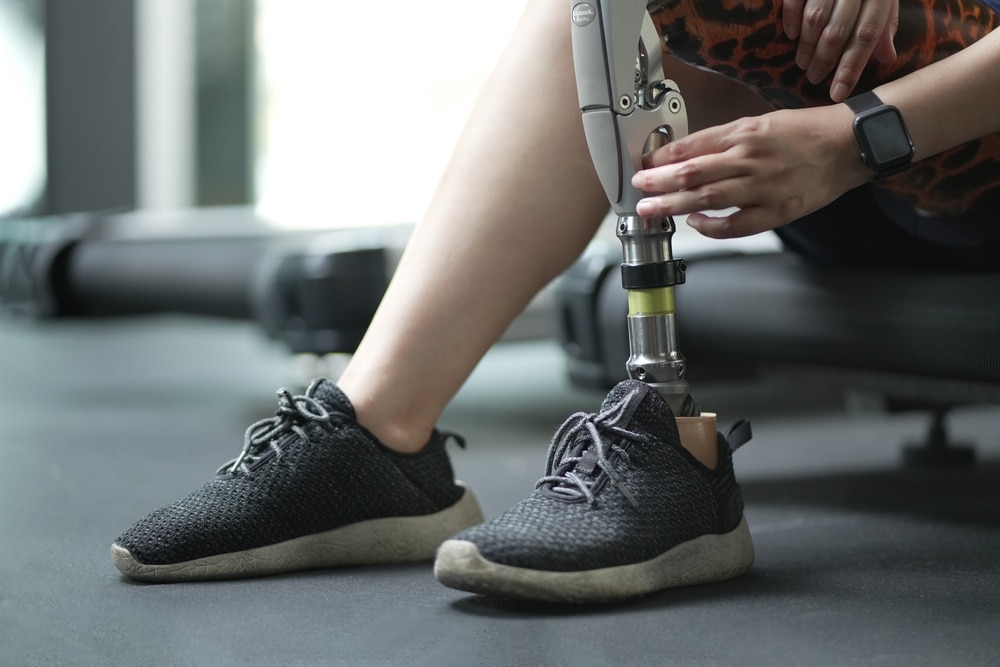
A serious accident can instantly alter a person’s life, and limb loss is among the most severe injuries. In Michigan, amputations often result from high-impact vehicle crashes, truck collisions, or workplace incidents with heavy machinery. Beyond the physical loss, victims face ongoing medical care, prosthetic costs, lost income, and lasting emotional effects. We assist individuals and families in securing compensation that addresses the full extent of their losses. Michigan law offers avenues for recovery, but pursuing these claims requires careful attention to both no-fault benefits and third-party claims.
How Amputation Injuries Occur In Michigan Accident Cases
Amputation injuries often result from violent collisions involving crushing force, entrapment, or severe trauma. In Michigan, high-speed or large-vehicle crashes are a leading cause. Surgical amputation may also be required after an accident due to irreparable damage or infection.
Under Michigan’s No-Fault Insurance Act, specifically MCL 500.3105, personal protection insurance (PIP) benefits apply when an injury arises out of the ownership, operation, maintenance, or use of a motor vehicle. This means that even before fault is determined, an injured person may be entitled to medical coverage and wage loss benefits.
Long-Term Medical Costs And Prosthetic Expenses
Amputation requires ongoing, lifelong care. Associated costs often include:
- Initial surgery and hospitalization
- Follow-up surgeries and wound care
- Physical therapy and rehabilitation
- Prosthetic limbs and replacements
- Home modifications and assistive devices
Prosthetic devices can cost tens of thousands of dollars and require replacement every few years due to wear, growth, or technological advances. Under MCL 500.3107, allowable expenses include all reasonable charges for products, services, and accommodations necessary for care, recovery, or rehabilitation.
We ensure future prosthetic costs are accurately projected, as these estimates are critical when determining the total value of a case.
Pain, Suffering, And Loss Of Normal Life
In addition to financial costs, Michigan law recognizes the human impact of catastrophic injuries. If an amputation results from another party’s negligence, victims may pursue noneconomic damages under MCL 500.3135.
To recover pain and suffering compensation, the injury must meet Michigan’s threshold of a “serious impairment of body function.” An amputation almost always satisfies this requirement.
These damages can include:
- Physical pain and permanent disability
- Emotional distress and psychological trauma
- Loss of independence and mobility
- Reduced ability to work or enjoy life
We present these losses clearly and thoroughly to ensure the full impact is understood.
Third-Party Liability Claims In Amputation Cases
No-fault benefits cover medical expenses and lost wages but do not address all damages. A third-party claim allows injured individuals to seek compensation from the at-fault driver or responsible party.
In these cases, we must prove negligence, which may involve demonstrating that the other driver was speeding, distracted, impaired, or otherwise careless. A successful third-party claim can recover:
- Pain and suffering damages
- Excess wage loss beyond no-fault limits
- Future loss of earning capacity
Michigan follows a modified comparative fault rule under MCL 600.2959, which means compensation may be reduced if the injured person is partially at fault. However, recovery is still possible as long as the injured party is not more than 50% responsible.
Calculating Future Losses In Amputation Cases
Amputation cases require detailed analysis of long-term losses. We collaborate with medical professionals, life care planners, and financial analysts to project:
- Lifetime medical treatment needs
- Ongoing prosthetic replacement schedules
- Loss of career opportunities and earning potential
- Daily living assistance costs
Michigan courts allow recovery for future damages when supported by credible evidence. This ensures compensation reflects both current and future expenses.
Statute Of Limitations And Important Deadlines
Timing is critical in Michigan injury cases. A third-party personal injury lawsuit must generally be filed within three years. For no-fault benefits, there is a one-year rule for submitting claims for expenses.
Missing these deadlines can forfeit the right to compensation. We act promptly to preserve evidence and protect your claim.
Why Legal Representation Matters In Catastrophic Injury Cases
Amputation cases involve significant stakes and complex legal issues. Insurance companies often seek to limit payouts, particularly for future costs. We manage all aspects of the case, from gathering medical evidence to negotiating with insurers and preparing for trial if needed.
Our priority is to secure compensation that addresses both immediate needs and long-term consequences.
Frequently Asked Questions About Amputation Injury Claims In Michigan
What Compensation Is Available For An Amputation Injury In Michigan?
Compensation may include medical expenses, prosthetic costs, rehabilitation, lost wages, and pain and suffering. No-fault insurance typically covers medical bills and wage loss, while a third-party claim allows recovery for non-economic damages and additional financial losses.
How Are Prosthetic Costs Calculated In A Legal Claim?
Prosthetic costs are evaluated based on the type of limb, expected lifespan of the device, and replacement frequency. We also consider maintenance, upgrades, and adjustments over time. These costs are often projected over the injured person’s lifetime to ensure adequate compensation.
Can I Still File A Claim If I Was Partially At Fault For The Accident?
Yes. Michigan’s comparative fault law allows recovery as long as you are not more than 50% responsible. However, your compensation may be reduced based on your percentage of fault.
How Long Do I Have To File An Amputation Injury Lawsuit In Michigan?
You generally have three years from the date of the accident to file a third-party lawsuit. No-fault claims must be filed sooner, often within one year for certain benefits. Acting quickly is important to protect your rights.
Does No-Fault Insurance Cover Lifetime Medical Care?
Depending on the policy and the date of the accident, no-fault benefits may provide significant medical coverage. However, recent changes to Michigan law have introduced coverage limits in some cases. We review each policy to determine available benefits.
What If My Injury Prevents Me From Returning To Work?
You may be entitled to wage loss benefits through no-fault insurance, as well as compensation for loss of earning capacity through a third-party claim. These damages are especially important in cases involving permanent disability.
Do All Amputation Cases Go To Trial?
Not all cases go to trial. Many are resolved through settlement. However, we prepare every case thoroughly so we are ready to proceed to court if necessary to secure fair compensation.
Talk To Ravid & Associates, P.C. About An Amputation Injury Case
An amputation injury affects every part of a person’s life, from mobility and independence to financial stability. We represent individuals facing these challenges and work to hold negligent parties accountable. Our team focuses on building strong cases that reflect the full impact of the injury and the cost of long-term care.
If you were injured in any type of accident, call our Detroit accident attorneys at Ravid & Associates, P.C. today by calling (248) 948-9696 to receive your free consultation. We represent clients in Detroit and throughout the state of Michigan from our office in Southfield. Let us help you pursue the compensation you deserve.

