
Who Files A Wrongful Death Claim After A Michigan Head-On Collision?
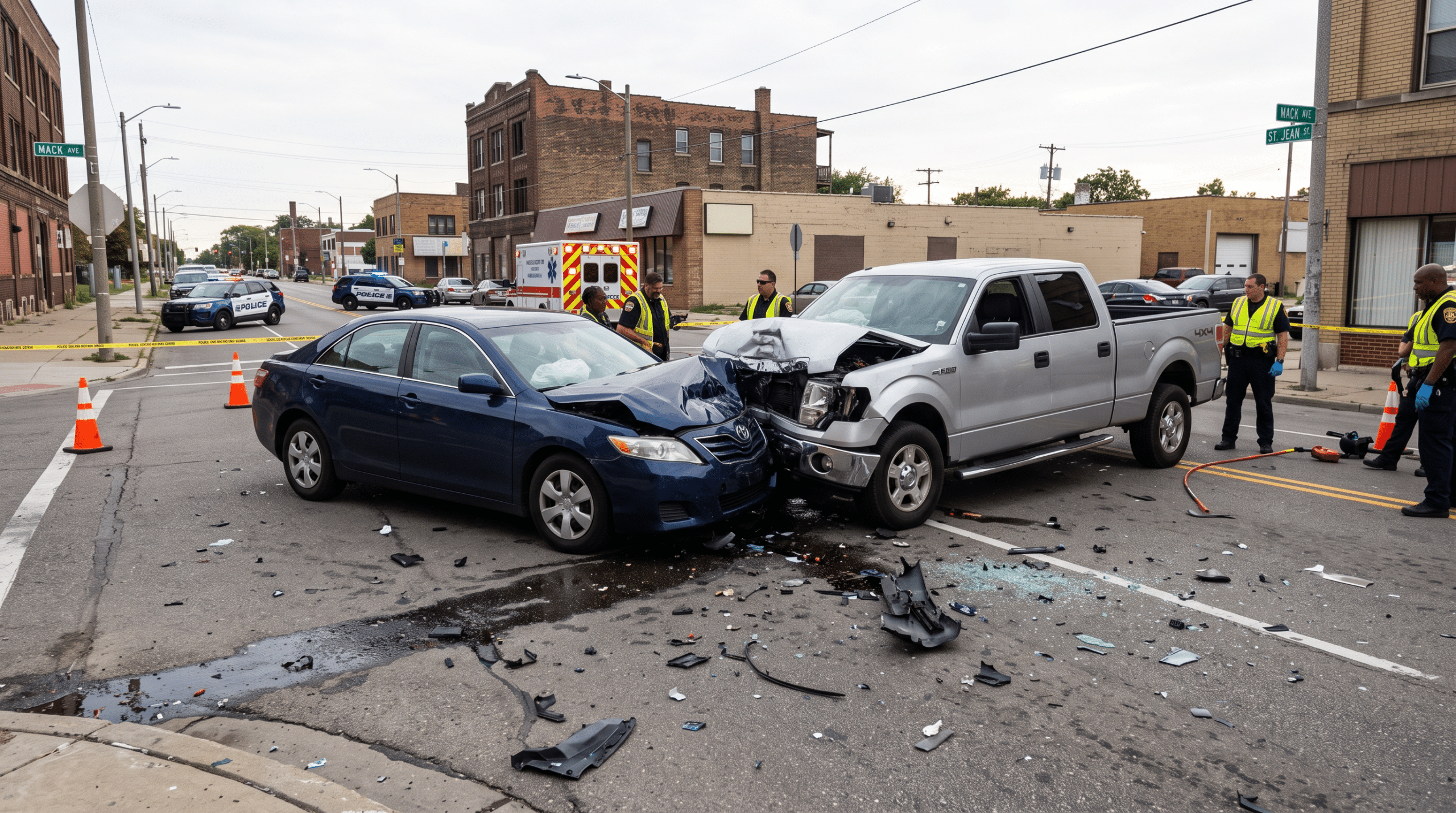
A head-on collision can change a family’s life in every way. These crashes are often severe, and when someone is killed, surviving relatives may wonder who can file a legal claim and what compensation is possible. In Michigan, not every family member can file a wrongful death lawsuit on their own. The state’s Wrongful Death Act sets out a specific process for bringing a case and deciding which relatives may benefit. We guide Detroit families through this process, investigate the crash, preserve evidence, and look for every possible source of financial recovery.
If another driver’s negligence caused a fatal head-on crash, the legal case often involves more than just showing that a vehicle crossed the center line. We may need to find out why the driver lost control, whether speeding or distraction played a role, if alcohol or drugs were involved, or if an employer or another party shares responsibility. Meanwhile, the family must follow Michigan’s probate and wrongful death rules. Knowing who files the lawsuit is a key first step.
Michigan Wrongful Death Claims Are Filed By The Personal Representative
Under the Michigan Wrongful Death Act, MCL 600.2922, a wrongful death action arising from the wrongful act, neglect, or fault of another person must be brought by the personal representative of the deceased person’s estate.
This difference matters. A surviving spouse, child, or parent usually does not file a wrongful death lawsuit on their own. Instead, a personal representative is chosen to act for the estate and bring the case for those who are legally entitled to recover.
The personal representative might already be named in the deceased person’s estate planning documents, or may need to be appointed through Michigan probate. We often work with the probate process to make sure the right person has the legal authority to move the wrongful death claim forward.
Who May Receive Compensation From The Wrongful Death Case?
Although the personal representative files the lawsuit, that does not mean the personal representative is the only person who may recover compensation.
Under MCL 600.2922(3), people who may potentially be entitled to damages include the deceased person’s spouse, children, descendants, parents, grandparents, brothers, and sisters. Michigan law also includes certain other individuals identified by the statute, depending on the deceased person’s family circumstances and estate.
The personal representative must identify people who may be entitled to damages and provide the notices required by Michigan law. This process becomes particularly important when a deceased person leaves several surviving family members or when relatives disagree about how wrongful death proceeds should eventually be distributed.
How We Establish Fault For A Fatal Head-On Collision
A successful wrongful death case still requires proof that another party was legally responsible for the death. In a head-on collision, we focus immediately on determining why one vehicle entered the opposing lane.
Possible causes include distracted driving, excessive speed, impaired driving, falling asleep at the wheel, unsafe passing, loss of vehicle control, or reckless driving. Some crashes may involve commercial vehicles, defective vehicle components, or dangerous roadway conditions.
We may examine police reports, photographs, surveillance footage, vehicle event data, cellular telephone evidence, witness testimony, toxicology information, and accident reconstruction findings. In a catastrophic collision, preserving this evidence quickly can be critical because vehicles may be destroyed, digital information may disappear, and witnesses’ memories may become less precise over time.
What Damages Can A Family Recover Under Michigan Law?
Michigan’s Wrongful Death Act allows recovery for losses resulting from the death. Under MCL 600.2922, recoverable damages may include reasonable medical, hospital, funeral, and burial expenses for which the estate is responsible, compensation for the deceased person’s conscious pain and suffering before death, and damages reflecting the loss of the deceased person’s society and companionship.
The financial consequences of the death may also be substantial. A person may have provided income, household services, childcare, financial support, and other contributions that would have continued for many years.
We examine the deceased person’s age, earnings, occupation, family responsibilities, health, financial history, and relationship with surviving family members when documenting the losses associated with a fatal collision. A wrongful death case should account for what the family actually lost, rather than simply accepting an insurer’s early calculation.
How Michigan Comparative Fault Can Affect The Claim
Insurance companies sometimes argue that the deceased driver contributed to a head-on collision. Michigan’s comparative fault statute, MCL 600.2959, can reduce damages according to the percentage of fault attributed to the injured or deceased person.
For example, an insurer might claim that the deceased driver was speeding, distracted, or could have taken evasive action sooner. Those allegations should not simply be accepted as fact.
Because the person who died cannot provide his or her own account of the collision, we believe independent evidence takes on even greater importance. Crash reconstruction, physical roadway evidence, event data recorders, witness accounts, and photographs can help establish what happened during the seconds before impact.
What Happens To A Wrongful Death Settlement?
A wrongful death settlement is not simply handed to one family member. MCL 600.2922 establishes procedures for approving and distributing wrongful death proceeds.
Eligible family members may present claims concerning the losses they suffered because of the death. If the interested parties agree about distribution, the process may be relatively straightforward. If they disagree, the court may determine how the proceeds should be allocated after considering the losses suffered by the different beneficiaries.
We work to make sure families understand that the liability case and the distribution process are related but separate issues. First, we pursue compensation from the responsible parties and insurers. The settlement proceeds must then be handled according to Michigan wrongful death and probate law.
How Long Do We Have To File A Michigan Wrongful Death Lawsuit?
Deadlines matter after a fatal collision. Under MCL 600.5805, an action seeking damages for the death of a person is generally subject to a three-year statute of limitations running from the death or injury, depending on the nature of the underlying claim.
Families should not treat three years as a reason to delay. A wrongful death investigation is usually strongest when it begins soon after the collision. Vehicles can be repaired or destroyed, surveillance recordings can be overwritten, witnesses can disappear, and electronic records may become more difficult to obtain.
Other deadlines may also apply when governmental defendants, specialized insurance claims, or other unusual circumstances are involved. We evaluate those issues at the beginning of a case rather than waiting until the general limitations period approaches.
Why A Fatal Head-On Collision Requires A Detailed Investigation
Head-on collision cases can involve substantial insurance coverage and severe damages, which gives insurers a strong financial incentive to challenge liability and damages. The responsible driver may not be the only potential defendant.
If the at-fault driver was working when the crash occurred, an employer may potentially bear responsibility. If defective brakes, steering components, tires, or another mechanical problem contributed to the crash, additional parties may need to be investigated. Commercial vehicle cases can create separate issues involving driver qualifications, maintenance practices, and company safety procedures.
We investigate beyond the obvious explanation whenever the facts support doing so. Identifying every responsible party and every available insurance policy can be essential when a family has suffered a devastating financial and personal loss.
FAQs About Michigan Head-On Collision Wrongful Death Claims
Can A Spouse File A Michigan Wrongful Death Lawsuit Directly?
Generally, the wrongful death lawsuit is brought by the personal representative of the deceased person’s estate under MCL 600.2922. A surviving spouse may be appointed as that personal representative, but being the spouse does not by itself replace the statutory estate procedure. The spouse may also be one of the people entitled to receive wrongful death damages. We help families determine who should serve as personal representative and make sure eligible beneficiaries are properly identified.
Can Children Recover Compensation After A Parent Dies In A Head-On Crash?
Yes. Children are among the family members identified under MCL 600.2922 who may potentially recover wrongful death damages. A child’s claim may include the loss of the parent’s society and companionship and other legally compensable losses. The impact can be especially significant when minor children lose a parent who provided daily care, guidance, financial support, and involvement in their lives. We document those relationships carefully rather than treating every beneficiary’s loss as identical.
What If The Driver Who Caused The Fatal Crash Was Also Killed?
A wrongful death claim may still be possible even when the negligent driver also dies in the collision. The claim may involve that driver’s estate and applicable liability insurance coverage. We investigate the available insurance policies, ownership of the vehicle, employment relationships, and any additional parties that may share responsibility. The death of the negligent driver does not automatically erase the legal rights of the family whose loved one was killed.
What If Police Have Not Yet Decided Who Caused The Head-On Collision?
A police investigation is important, but we do not necessarily rely solely on the officer’s initial conclusions. Civil liability can require a separate investigation. We may examine vehicle data, scene measurements, photographs, eyewitness testimony, roadway markings, video evidence, and other information to determine which vehicle entered the wrong lane and why. A disputed police report does not necessarily prevent a family from pursuing a wrongful death case.
Can We Bring A Wrongful Death Case If Our Loved One Survived For Several Days Before Dying?
Potentially, yes. Michigan’s Wrongful Death Act applies when injuries caused by another person’s wrongful act, neglect, or fault ultimately result in death. When a person survives for a period before dying, the case may include medical expenses and compensation for conscious pain and suffering experienced before death, in addition to losses suffered by surviving family members. Medical records and testimony can become especially important when documenting what occurred between the collision and the death.
How Is A Michigan Wrongful Death Settlement Divided Among Family Members?
Michigan law provides a process for distributing wrongful death proceeds among people entitled to damages. The division is not necessarily equal. Different relatives may have experienced different losses depending on their relationship with the deceased and the particular facts of the family. The court may approve an agreed distribution or decide disputed allocation issues. We help families understand this process before a settlement is finalized so that distribution issues do not come as a surprise.
Speak With Ravid & Associates, P.C. About A Fatal Michigan Head-On Collision
When a family member dies in a head-on collision, we understand that no financial recovery can replace the person who was lost. A wrongful death case can, however, hold negligent parties financially accountable and address the economic and personal losses their actions caused. We investigate the crash, identify available insurance coverage, establish the proper personal representative, document the family’s losses, and pursue the compensation available under Michigan law.
If your spouse, parent, child, or other loved one was killed in a head-on collision, call our Detroit fatal accident lawyers at Ravid & Associates, P.C. today by calling (248) 948-9696 to receive your free consultation. We represent families in Detroit and throughout the entire state of Michigan from our office locations in Southfield, Michigan. We can review the circumstances of the collision, explain who may file the wrongful death claim, identify potential defendants and insurance coverage, and discuss the legal options available to your family.

