
Who Can Bring A Wrongful Death Lawsuit After A Pedestrian Is Killed In Michigan?
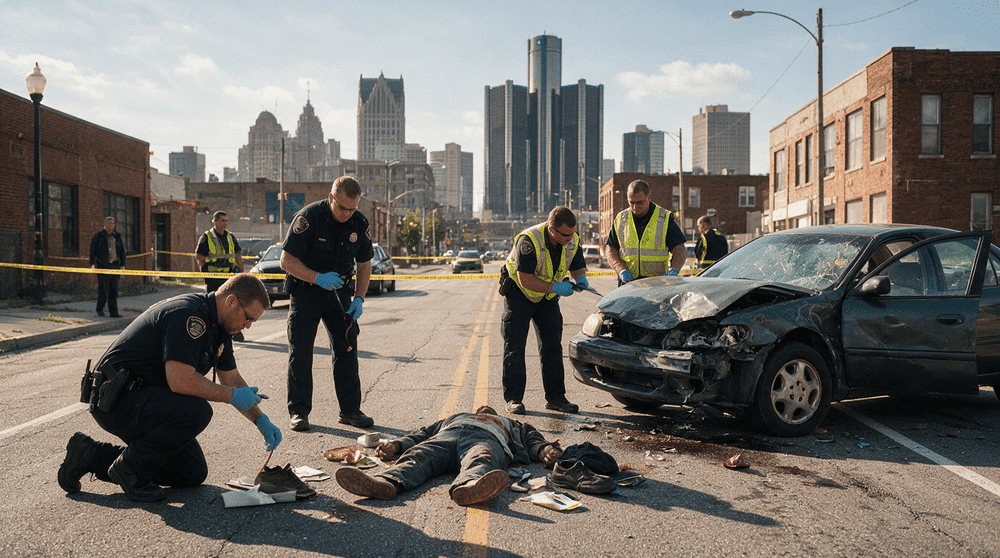
A fatal accident involving a pedestrian can result in grief for the family, unresolved questions, and sudden financial problems. If a pedestrian is killed because the driver was speeding, distracted, impaired, failed to yield, or otherwise acted negligently, then under Michigan law the family may be able to bring a wrongful death claim. A common question among families at this stage is who actually has the legal right to file the lawsuit. Michigan’s rules regarding wrongful death make this very clear. Even though several relatives may in the end be entitled to compensation, they typically do not file separate wrongful death suits on their own.
We represent families whose loved ones have been killed in pedestrian and motor vehicle accidents throughout Michigan. We investigate how the crash occurred, identify every potentially responsible party, determine the available insurance coverage, and help the family address the estate and wrongful death procedures required by Michigan law. Understanding who may bring the claim is an important first step.
Michigan’s Wrongful Death Act Governs Fatal Pedestrian Claims
The Wrongful Death Act of Michigan, which is set out in MCL 600.2922, applies in cases where a person’s death is caused by the wrongful act, neglect, or fault of another person or organization and where the deceased would have been able to bring a claim for damages if the death had not taken place.
A pedestrian accident might involve a driver who did not yield at a crosswalk, ran a traffic signal, was driving while distracted, operated the vehicle while intoxicated, was driving at a speed which was not appropriate for the conditions, or else breached his duty to drive with reasonable care.
A wrongful death case may also involve more than the individual driver. Depending on the circumstances, we may investigate an employer whose employee caused the crash while working, the owner of a vehicle, or another party whose conduct contributed to the pedestrian’s death.
The Personal Representative Files The Wrongful Death Lawsuit
Michigan law makes an important distinction between who files the lawsuit and who may receive compensation.
A wrongful death action under MCL 600.2922(2) must be started by and on behalf of the personal representative of the deceased person’s estate; the personal representative is thus the one who has the legal power to carry the lawsuit forward on the estate’s behalf and for the individuals who may be entitled to wrongful death damages.
The person who acts in a personal capacity might be the one named in the deceased individual’s estate planning documents or might be someone who has been appointed by the Michigan probate court. In different situations, this person could be the surviving spouse, an adult child, a parent, or some other suitable individual.
It is normally not possible for a spouse or a child to bring a separate wrongful death claim just on the grounds of their family relationship; the estate has to be properly set up and the personal representative then serves as the plaintiff.
Which Family Members May Recover Wrongful Death Compensation?
Although the personal representative files the case, Michigan law identifies a broader group of people who may potentially receive wrongful death damages.
Under MCL 600.2922(3), eligible individuals may include the deceased person’s spouse, children, descendants, parents, grandparents, brothers, and sisters. If none of those relatives survive the deceased, certain individuals who would inherit under Michigan intestate succession laws may potentially qualify.
The statute also provides potential rights to children of the deceased person’s spouse and certain devisees or trust beneficiaries identified through the deceased person’s estate plan.
Eligibility does not necessarily mean every listed person receives the same share of a settlement or verdict. The damages each individual actually suffered matter when wrongful death proceeds are distributed.
What Happens After The Wrongful Death Lawsuit Is Filed?
Once the lawsuit is commenced, Michigan law imposes notice obligations on the personal representative.
Under MCL 600.2922(2), the personal representative must generally serve a copy of the complaint and the required notice on persons who may be entitled to damages within 30 days after commencement of the action. The notice procedure gives eligible family members and beneficiaries an opportunity to assert their interest in the wrongful death recovery.
This is one reason we pay close attention to probate and procedural requirements from the beginning. A fatal pedestrian accident claim involves more than proving that a driver caused the collision. The estate, notice requirements, beneficiaries, damages, insurance coverage, and eventual distribution of proceeds must all be addressed correctly.
What Damages Can Be Recovered After A Pedestrian Is Killed?
Michigan’s Wrongful Death Act allows recovery of damages the court or jury considers fair and equitable under the circumstances.
Under MCL 600.2922, recoverable losses may include reasonable medical, hospital, funeral, and burial expenses for which the estate is responsible. Compensation may also include the deceased person’s conscious pain and suffering between the injury and death, when supported by the evidence.
Families may also seek damages for lost financial support and the loss of the deceased person’s society and companionship. In many pedestrian death cases, these damages form a substantial portion of the claim because the loss extends far beyond immediate financial expenses.
We examine the deceased person’s age, health, employment, earnings, household contributions, family relationships, and life expectancy when determining the losses caused by the death.
Michigan No-Fault Benefits May Also Be Available
A pedestrian killed by a motor vehicle may implicate Michigan’s No-Fault Insurance Act in addition to a wrongful death liability claim.
Michigan law provides certain survivor’s loss benefits under MCL 500.3108. These benefits can include qualifying economic contributions that dependents would have received from the deceased during the statutory benefit period, along with certain replacement-service expenses.
These benefits are distinct from the wrongful death damages pursued against the negligent driver. We therefore investigate both No-Fault benefits and third-party liability coverage instead of assuming that one insurance claim represents the family’s entire potential recovery.
Death Satisfies Michigan’s Motor Vehicle Tort Threshold
Michigan restricts lawsuits for non-economic damages arising from motor vehicle accidents through its No-Fault Act. However, MCL 500.3135(1) expressly permits tort liability for non-economic loss when the injured person suffers death.
Therefore, when a negligent motorist kills a pedestrian, the family does not have to establish a serious impairment of body function to satisfy the motor vehicle tort threshold. Death itself satisfies the statutory threshold.
Liability must still be proven. We may use police reports, eyewitness accounts, surveillance video, vehicle event data, cell phone evidence, toxicology evidence, crash reconstruction, photographs, and other evidence to determine what happened.
What If The Driver Claims The Pedestrian Was Partially At Fault?
Drivers and insurance companies sometimes argue that the pedestrian contributed to the collision. They may claim the pedestrian entered traffic unexpectedly, crossed outside a designated crosswalk, ignored a traffic signal, or was difficult to see.
Michigan’s comparative fault laws can affect the amount recovered when negligence is attributed to the deceased pedestrian. That makes an independent investigation particularly important.
We do not assume the insurance company’s version of the crash is correct. Pedestrian accidents often require examination of vehicle speed, sight distance, lighting, traffic controls, roadway design, witness testimony, video evidence, and the driver’s opportunity to avoid the collision.
How Wrongful Death Settlement Money Is Distributed
A wrongful death settlement does not simply become part of the estate and get divided like ordinary estate property.
Michigan law contains specific procedures governing distribution. Under MCL 600.2922 and MCL 700.3924, the personal representative generally seeks court authority to distribute wrongful death proceeds. Eligible individuals have an opportunity to present their claims for damages.
The court may consider the relative losses suffered by each eligible person. Reasonable medical, hospital, funeral, and burial expenses for which the estate is liable may also be addressed. Compensation attributable to the deceased person’s conscious pain and suffering may be allocated to the estate.
When eligible beneficiaries agree on distribution and Michigan’s statutory requirements are satisfied, the process may be less contentious. When they disagree, the court may determine an equitable distribution based on the losses presented.
How Long Do We Have To File A Michigan Pedestrian Wrongful Death Lawsuit?
Timing is critical after a fatal pedestrian accident.
Under MCL 600.5805(2), the general limitations period for an action seeking damages for the death of a person is three years after the death. Different deadlines, exceptions, or notice requirements can apply in certain cases, particularly when a governmental entity or another specially regulated defendant is involved.
Families should not treat three years as a reason to delay. Valuable evidence can disappear within days or weeks. Video recordings may be overwritten, witnesses can become harder to locate, vehicles can be repaired or destroyed, and electronic evidence may be lost.
We prefer to investigate fatal pedestrian cases as early as possible so that critical evidence can be identified and preserved.
Frequently Asked Questions About Michigan Pedestrian Wrongful Death Lawsuits
Can A Spouse Personally File A Wrongful Death Lawsuit After A Fatal Pedestrian Accident?
Not simply because that person is the surviving spouse. Under MCL 600.2922, the wrongful death action must be brought in the name of the personal representative of the deceased person’s estate. A spouse may serve as the personal representative if properly appointed, but the legal authority to file comes from that representative status. The spouse may also be among the individuals entitled to recover damages for losses such as financial support and loss of society and companionship.
Can Children Recover Compensation If A Parent Is Killed While Walking?
Yes. Children are among the individuals identified in MCL 600.2922 who may potentially recover damages following a wrongful death. Depending on the evidence, the damages may include lost financial support and loss of society and companionship. When children are minors, additional procedures may be necessary to protect their interests when a settlement is approved and distributed.
Can Parents Bring A Claim When Their Adult Child Is Killed?
Parents are included among the individuals who may be entitled to wrongful death damages under Michigan law. The fact that the deceased child was an adult does not automatically prevent the parents from making a claim. Their recovery depends on the damages they suffered and the facts presented during settlement distribution or litigation. The lawsuit itself is still filed by the estate’s personal representative.
Who Files The Lawsuit If The Pedestrian Did Not Have A Will?
The absence of a will does not prevent a wrongful death case. A probate proceeding can be opened and a personal representative appointed under Michigan estate law. Once authorized, that representative can pursue the wrongful death claim. Because valuable evidence may disappear while probate matters are being addressed, we generally begin investigating the accident promptly rather than waiting for every later issue to be resolved.
Can A Family Recover If The Pedestrian Died Several Days After The Accident?
Yes. Michigan’s Wrongful Death Act applies when injuries caused by another party’s wrongful act, neglect, or fault result in death. If the pedestrian remained conscious for some period before dying, the estate may also pursue reasonable compensation for conscious pain and suffering supported by the medical and other evidence. Medical expenses incurred before death may also become part of the damages analysis.
What If The Driver Who Killed The Pedestrian Was Criminally Charged?
A criminal prosecution and a wrongful death lawsuit are separate proceedings. MCL 600.2922 expressly recognizes civil wrongful death liability even when the circumstances causing the death also constitute a felony. The government decides whether to pursue criminal charges, while the personal representative of the estate pursues the civil claim for compensation. We can use evidence developed in connection with the crash while independently investigating the civil case.
Talk To Ravid & Associates, P.C. About A Fatal Michigan Pedestrian Accident
When a pedestrian is killed, the legal issues can involve wrongful death law, probate proceedings, Michigan No-Fault insurance, liability insurance, comparative fault, and the proper distribution of compensation among surviving family members. We handle these issues while investigating why the collision occurred and identifying the parties and insurance coverage that may be responsible for the family’s losses.
At Ravid & Associates, P.C., we represent families whose loved ones have been killed because of negligent drivers throughout Michigan. We understand that no financial recovery can replace a family member. A wrongful death claim can, however, provide accountability and financial compensation for losses Michigan law recognizes.
If your spouse, parent, child, or other loved one was killed in a pedestrian accident, contact our Detroit fatal accident attorneys at Ravid & Associates, P.C. today by calling (248) 948-9696 to receive your free consultation. We represent clients in Detroit and throughout the entire state of Michigan from our office locations in Southfield, Michigan.

