
What Injuries Are Common When a Pedestrian Is Hit by a Car?
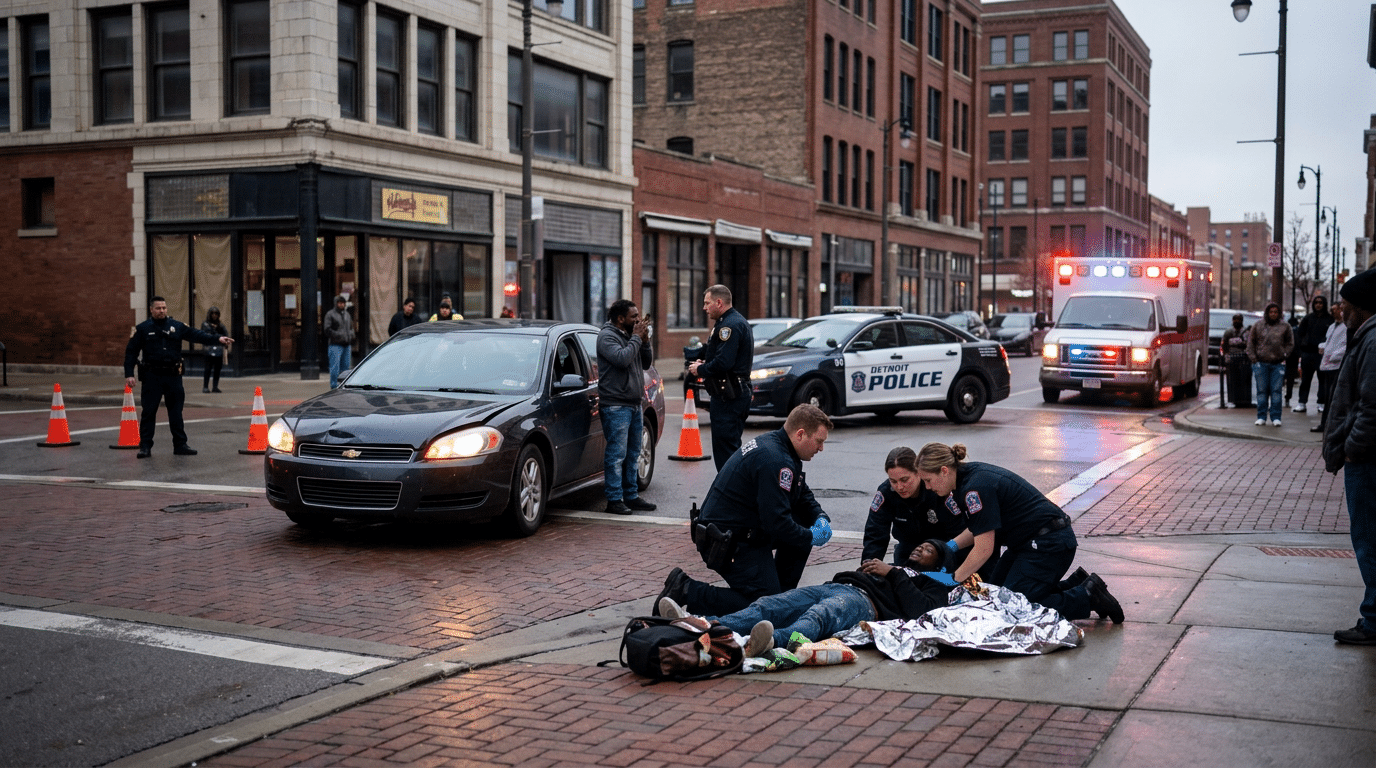
When a car hits a pedestrian in Detroit, there is almost nothing to protect the person from the force of the vehicle. Even at low speeds, crashes can cause broken bones, head injuries, internal damage, and lasting physical problems. At higher speeds, pedestrians may need several surgeries, long rehabilitation, or face permanent disabilities. Some injuries show up right away, while others appear hours or days later. We want injured pedestrians to know about both the medical effects of these accidents and how Michigan law can impact their rights to insurance and compensation.
Pedestrian injury cases can be especially serious because the body is often struck twice. The initial impact occurs when the vehicle hits the pedestrian, and a second impact may occur when the pedestrian lands on the pavement, hood, windshield, or another object. We examine both the mechanics of the collision and the medical evidence when building these claims.
Head And Traumatic Brain Injuries
Head injuries are some of the most serious results of pedestrian accidents. A person might hit the hood or windshield before falling to the ground. This can lead to a concussion, skull fracture, brain bleed, or a more severe brain injury.
Symptoms can include headaches, dizziness, confusion, trouble with memory or focus, changes in personality, or being sensitive to light and sound. It is important to get medical help quickly for brain injuries, since symptoms are not always clear right after the accident.
Michigan law recognizes serious neurological injuries when evaluating motor vehicle claims. Under MCL 500.3135, a person may pursue noneconomic damages against an at-fault motorist when the crash causes death, permanent serious disfigurement, or a serious impairment of body function. The statute defines serious impairment by looking at whether an objectively manifested impairment of an important body function affects the injured person’s general ability to lead their normal life.
Leg, Knee, Hip, And Pelvic Injuries
A car’s bumper usually hits a pedestrian’s legs first, so broken bones in the lower leg, knee, ankle, or foot are common. Bigger vehicles can hit higher up and cause hip or pelvic fractures.
These injuries can require internal fixation with plates, screws, or rods. Severe fractures may require multiple surgeries followed by physical therapy and months of limited weight-bearing.
Michigan law specifically recognizes serious bone fractures and substantial impairment of bodily functions as serious injuries in various provisions of the Michigan Vehicle Code. In a civil injury case, however, we focus on the standards contained in MCL 500.3135 and the actual effect the injury has on the person’s life.
Spinal Cord And Back Injuries
A pedestrian can have serious back or spine injuries if hit by a car or thrown to the ground. These can include herniated discs, broken bones in the spine, pinched nerves, spinal cord injuries, or even paralysis.
Some back injuries do not produce their worst symptoms immediately. Swelling around damaged tissue may cause pain, numbness, weakness, or radiating symptoms to develop later.
We look closely at diagnostic imaging, neurological findings, work restrictions, treatment recommendations, and changes in daily activities when evaluating how a spinal injury has affected a client’s life.
Shoulder, Arm, Wrist, And Hand Injuries
Pedestrians often instinctively put their hands or arms out when falling. That natural reaction can cause wrist fractures, shoulder injuries, elbow fractures, torn tendons, or nerve damage.
These injuries may be particularly disruptive for people whose jobs require lifting, typing, driving, construction work, or repetitive use of their hands. Even when an injury heals, reduced strength or limited range of motion may remain.
The long-term consequences matter when we evaluate wage loss, future treatment, and non-economic damages.
Internal Organ And Chest Injuries
A direct impact from a vehicle can cause rib fractures, lung injuries, internal bleeding, or damage to abdominal organs. These injuries can be life-threatening even when there is little external evidence of trauma.
Chest pain, abdominal tenderness, difficulty breathing, dizziness, or unusual weakness after a pedestrian collision should never be ignored. Emergency evaluation can identify internal injuries that might otherwise worsen rapidly.
Medical documentation also becomes important in an injury claim because it establishes the connection between the collision and the treatment that followed.
Road Rash, Lacerations, And Permanent Scarring
When a pedestrian is thrown or dragged across pavement, severe abrasions and lacerations can occur. Deep wounds may require stitches, skin grafting, reconstructive treatment, or scar revision procedures.
Permanent scarring may also support a claim for noneconomic damages. MCL 500.3135 permits tort liability for permanent serious disfigurement as well as serious impairment of body function.
Michigan No-Fault Benefits For Injured Pedestrians
Michigan’s no-fault system can provide an important source of benefits after a pedestrian is struck by a motor vehicle. Under MCL 500.3115, a person who suffers accidental bodily injury while not occupying a motor vehicle generally claims PIP benefits through the Michigan Assigned Claims Plan, subject to the statutory exceptions and applicable priority rules.
PIP benefits may include allowable medical expenses, wage loss, and certain other accident-related benefits under MCL 500.3107 and related provisions. The exact benefits available depend on the circumstances and applicable coverage.
A PIP claim is different from a negligence claim against the driver who struck the pedestrian. The third-party claim may seek compensation for pain and suffering and certain excess economic losses when Michigan’s statutory requirements are satisfied.
Driver And Pedestrian Conduct Can Affect Liability
Liability in a pedestrian crash depends heavily on where and how the collision occurred. Michigan traffic laws regulate both drivers and pedestrians.
For example, Michigan traffic-signal rules require vehicles making certain turns to yield to pedestrians lawfully within adjacent crosswalks. Michigan law also regulates pedestrian conduct at traffic signals and requires pedestrians to follow applicable signal indications.
Pedestrians walking along roads also have statutory duties. Under MCL 257.655, pedestrians generally must use available sidewalks and, when sidewalks are unavailable, should walk on the left side of the highway facing approaching traffic when practicable.
Questions about comparative responsibility can therefore become central to a claim. We examine traffic signals, crosswalk markings, surveillance video, witness statements, vehicle data, visibility, speed, and driver distraction before accepting an insurer’s version of fault.
Frequently Asked Questions About Pedestrian Accident Injuries
What Should We Do After Being Hit By A Car In Michigan?
We recommend obtaining medical treatment as soon as possible, even when the injuries initially appear manageable. Pedestrian crashes can cause internal injuries, concussions, fractures, and soft-tissue damage that are not immediately apparent. We also recommend preserving photographs, witness information, police reports, damaged clothing, and any available surveillance footage. Early documentation can become extremely important when an insurance company later disputes how the collision happened or whether the crash caused the injuries.
Can We Receive Michigan No-Fault Benefits If We Were Walking When The Car Hit Us?
Potentially, yes. Michigan’s no-fault laws address people injured by motor vehicles even when they were not occupants of a vehicle. Under MCL 500.3115, qualifying pedestrians generally pursue PIP benefits through the Michigan Assigned Claims Plan, subject to the applicable statutory rules. Those benefits may provide assistance with qualifying medical expenses, wage loss, and other covered losses. A careful review of the available insurance and the accident circumstances is important because no-fault priority and benefit rules can be complicated.
Can We Sue The Driver Who Hit Us?
A separate negligence claim may be available against the driver when the legal requirements are satisfied. Under MCL 500.3135, noneconomic damages may be pursued when the pedestrian suffers death, permanent serious disfigurement, or serious impairment of body function. Serious fractures, traumatic brain injuries, spinal injuries, and permanent mobility limitations may satisfy that threshold depending on their effect on the injured person’s normal life.
What If We Were Hit Outside A Crosswalk?
Being outside a marked crosswalk does not automatically mean the driver has no responsibility. Fault depends on the complete circumstances, including speed, visibility, driver attention, traffic controls, lighting, roadway conditions, and the pedestrian’s actions. Comparative fault may reduce the amount recovered, so we investigate rather than assuming the location of impact determines the entire case.
What If Our Injuries Did Not Appear Until The Next Day?
Delayed symptoms are common after serious impacts. Concussions, soft-tissue injuries, nerve problems, back injuries, and some internal injuries may worsen after the initial shock wears off. We recommend seeking medical evaluation promptly when new symptoms appear and explaining that they began following the collision. Medical records establishing the timing and progression of symptoms can become important evidence.
What Types Of Pedestrian Injuries Usually Lead To Larger Claims?
Claims involving traumatic brain injuries, spinal cord damage, paralysis, major fractures, permanent scarring, multiple surgeries, long-term disability, or significant future medical treatment generally involve greater damages because the physical and financial consequences are more severe. The value of any case still depends on liability, insurance coverage, medical evidence, lost income, future treatment, and how the injuries affect the individual’s daily life.
Talk To Ravid & Associates, P.C. About A Michigan Pedestrian Injury Claim
A pedestrian struck by a car may face surgery, rehabilitation, lost income, permanent limitations, and substantial medical care. We investigate how the collision happened, identify available insurance coverage, document the full extent of the injuries, and pursue the compensation available under Michigan law. We also address disputes involving comparative fault, delayed symptoms, permanent impairment, and insurance companies that attempt to undervalue serious injuries.
Contact our Detroit pedestrian accident attorneys at Ravid & Associates, P.C. by calling our firm at (248) 948-9696 to receive your free consultation. We represent injured pedestrians in Detroit and throughout the entire state of Michigan from our office locations in Southfield, Michigan. We can review what happened, explain the insurance benefits and injury claims that may be available, and help protect your legal rights.

