
What If The Driver Who Hit Me Has Too Little Insurance?
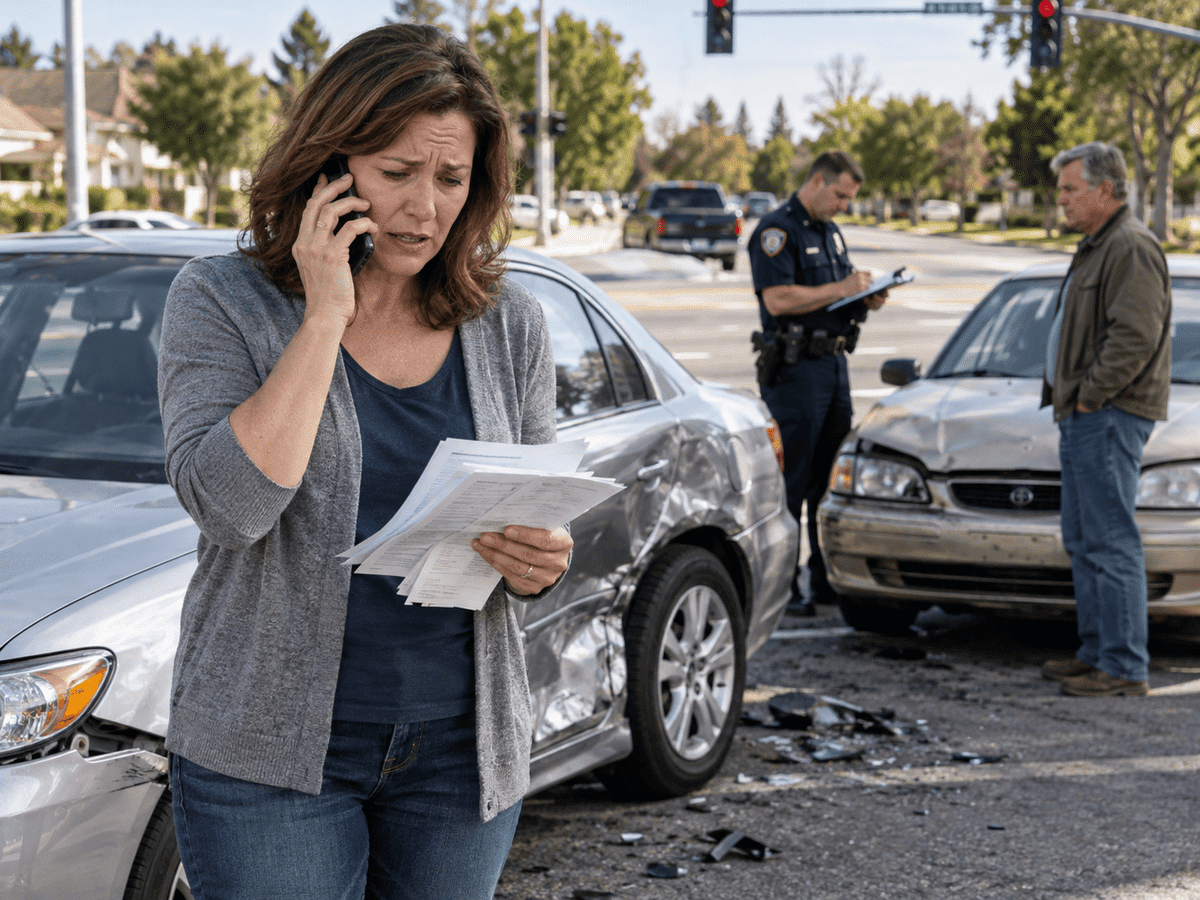
A serious car accident in Detroit can lead to medical bills and financial losses that go beyond what the at-fault driver’s insurance will cover. Someone might face a traumatic brain injury, spinal injury, broken bones, or even permanent disability, only to find out the other driver has low insurance limits. However, this does not always mean your recovery is limited to what their insurance offers. Michigan law may provide other ways to get compensation, depending on the insurance policies, how severe the injuries are, and who is legally responsible for the crash. We look at every possible insurance source before deciding what compensation can be pursued.
Cases with too little insurance need special attention because taking the at-fault driver’s policy limits too soon can cause issues with other possible claims. We may need to look into under-insured motorist coverage, Michigan No-Fault benefits, claims against other responsible parties, and the defendant’s personal assets. We make sure to understand the full insurance situation before a client signs anything that could affect their legal rights.
Michigan Drivers Can Carry Relatively Low Bodily Injury Limits
Michigan law establishes bodily injury liability requirements under MCL 500.3009. The standard limits are $250,000 for bodily injury or death to one person and $500,000 when two or more people are injured or killed in a single accident.
Michigan motorists may, however, affirmatively select lower limits. The lowest permitted selection is generally $50,000 for one injured or deceased person and $100,000 per accident when multiple people are injured.
These amounts can run out quickly after a serious crash. Hospital stays, surgeries, rehab, lost income, and years of pain or physical limits can make a serious injury claim worth much more than $50,000.
The At-Fault Driver’s Policy Limit Is Not Necessarily The End Of The Case
Suppose another driver causes a Detroit collision that leaves an injured person with damages valued substantially above the driver’s available bodily injury coverage. The liability insurer generally does not have to pay more than the applicable policy limit simply because the victim’s damages are greater.
That’s why we check if there is more insurance or other responsible parties. The vehicle owner might not be the driver. The driver could have been working when the crash happened. Another vehicle might have played a part. There could also be commercial insurance, umbrella policies, employer liability coverage, or other types of insurance, depending on the situation.
Identifying every potentially responsible defendant can make an enormous difference when one driver’s insurance is insufficient.
Under-insured Motorist Coverage May Provide Additional Compensation
One of the first things we investigate is whether the injured person has under-insured motorist coverage, commonly called UIM coverage.
UIM coverage is optional in Michigan. Unlike mandatory No-Fault benefits, the terms of UIM coverage are largely controlled by the insurance contract. If the negligent driver’s liability limits are insufficient to compensate an injured person, applicable UIM coverage may provide another source of recovery.
For example, assume a seriously injured driver has an applicable $500,000 UIM limit, and the negligent driver carries only $50,000 in bodily injury coverage. Depending on the policy language, damages, and other circumstances, the injured driver’s UIM coverage may become important once the at-fault driver’s available insurance is addressed.
We carefully review the actual insurance policy because UIM policies can contain notice requirements, definitions, exclusions, offset provisions, and settlement conditions.
Do Not Accept A Policy-Limits Settlement Without Reviewing UIM Requirements
An insurance company may offer the at-fault driver’s full policy limit relatively quickly when liability is clear and injuries are severe. A policy-limits offer may sound like an obvious settlement, but accepting it without reviewing other applicable insurance can be a serious mistake.
Some UIM policies require notice to the insurer before settling with the negligent driver. A policy may also require the insured to obtain the UIM carrier’s consent before signing a release.
Because Michigan under-insured motorist coverage is contractual, policy language matters greatly. We review applicable policies before allowing a client to release an at-fault driver or finalize a settlement.
Michigan No-Fault Benefits May Cover Certain Economic Losses
Liability insurance and UIM coverage are not the only potential sources of compensation.
Michigan’s No-Fault Act provides Personal Injury Protection benefits under MCL 500.3107. Depending on the injured person’s coverage and circumstances, PIP benefits may pay allowable accident-related medical expenses, work loss for the statutory period, and certain replacement services.
Michigan motorists may select different levels of PIP medical coverage, so the amount of available medical benefits varies by policy and eligibility.
These benefits differ from a liability claim against the negligent driver. We evaluate both because serious accident cases frequently involve several insurance claims operating at the same time.
Pain And Suffering Claims Require Meeting Michigan’s Injury Threshold
When pursuing compensation from the negligent driver for non-economic damages, Michigan’s automobile injury threshold also matters.
Under MCL 500.3135, tort liability for non-economic loss generally applies when an accident results in death, permanent serious disfigurement, or serious impairment of body function. Serious injuries may therefore support claims for pain and suffering in addition to certain economic damages recoverable under Michigan law.
If the available liability insurance is too small to compensate the injured person adequately, applicable UIM coverage can become especially significant.
We Investigate Whether Other Parties Share Responsibility
A crash may appear to involve only two drivers at first. A detailed investigation can reveal something different.
If the at-fault driver was working when the crash occurred, an employer may potentially bear responsibility depending on the circumstances. A commercial vehicle could carry substantially higher liability limits. A vehicle owner may also need to be examined under Michigan law. In a multi-vehicle collision, several drivers may share responsibility.
We do not assume the first insurance policy identified represents the only available recovery. We investigate the crash, vehicle ownership, employment relationships, insurance policies, and other possible defendants before evaluating the full claim.
Personal Assets May Also Become An Issue
Liability insurance protects the negligent driver up to the policy’s applicable limits. When damages exceed those limits, the driver may potentially remain personally responsible for an excess judgment.
Whether pursuing personal assets makes financial sense depends on the circumstances. Some defendants have substantial income, real estate, investments, or other collectible assets, while others are effectively judgment-proof.
We examine this issue as part of evaluating the realistic sources of compensation rather than assuming that an excess judgment will automatically result in payment.
Frequently Asked Questions About Drivers With Too Little Insurance
What Happens If My Injuries Are Worth More Than The Other Driver’s Insurance?
The other driver’s liability insurer generally pays only up to the applicable policy limit. That does not necessarily limit your entire recovery to that amount. We investigate under-insured motorist coverage, additional responsible parties, other liability policies, No-Fault benefits, and potentially collectible assets. Serious injury cases should be evaluated for every available source of compensation before a final settlement is accepted.
What Is Under-insured Motorist Coverage In Michigan?
Under-insured motorist coverage is optional automobile insurance designed to provide protection when an at-fault driver’s liability insurance is insufficient to compensate for covered injuries. Because Michigan does not mandate UIM coverage, the insurance contract largely determines when and how benefits are available. We therefore review the complete policy rather than relying only on the declarations page.
Can I Collect From My Own Insurance Company After Another Driver Causes The Accident?
Potentially. If applicable under-insured motorist coverage exists, you may have a claim against your own insurer even though someone else caused the collision. You may also qualify for PIP benefits under Michigan’s No-Fault system. Filing a claim against your own coverage does not mean you caused the crash. You purchased insurance specifically to provide certain protections when covered circumstances occur.
Should I Accept The Other Driver’s Policy Limits?
Not until all potentially applicable coverage has been examined. A liability insurer may offer its driver’s full policy limits and require you to sign a release. If UIM coverage applies, settling without following your own insurer’s policy requirements could create problems with the additional claim. We review the insurance policies and potential defendants before recommending whether a policy-limits settlement should be accepted.
What If Several People Were Injured In The Same Accident?
This can create a serious coverage problem because liability policies typically have both a per-person limit and a per-accident limit. When several people suffer significant injuries, they may be competing for the same pool of available insurance proceeds. We investigate additional coverage promptly because the amount potentially available from the at-fault driver’s insurer may be inadequate for everyone injured.
Can We Sue The At-Fault Driver Personally For More Than The Insurance Limit?
Potentially. Insurance limits do not necessarily cap the negligent driver’s legal responsibility. If damages exceed available coverage, an excess judgment may be possible. Whether pursuing the driver’s personal assets is practical depends on the driver’s financial circumstances and the facts of the case. We consider both the legal claim and the realistic ability to collect compensation.
Talk To Ravid & Associates, P.C. About An Under-insured Driver Accident
Finding out that the driver who caused a serious accident carries inadequate insurance can be frustrating, but we do not assume that the first policy limit identified is the end of the case. We investigate available liability coverage, UIM insurance, Michigan No-Fault benefits, additional defendants, commercial policies, and other potential sources of compensation. Serious injury cases deserve a complete insurance and liability analysis before valuable claims are released.
If you were seriously injured in a Michigan car accident and the responsible driver does not have enough insurance to cover your losses, contact our Detroit car accident lawyers at Ravid & Associates, P.C. by calling our firm at (248) 948-9696 to receive your free consultation. We represent injured people in Detroit and throughout the entire state of Michigan from our office in Southfield, Michigan. We can review the available insurance coverage, identify potential sources of compensation, and pursue the recovery Michigan law allows.

