
The Importance Of Starting Physical Therapy Early After A Detroit Car Accident
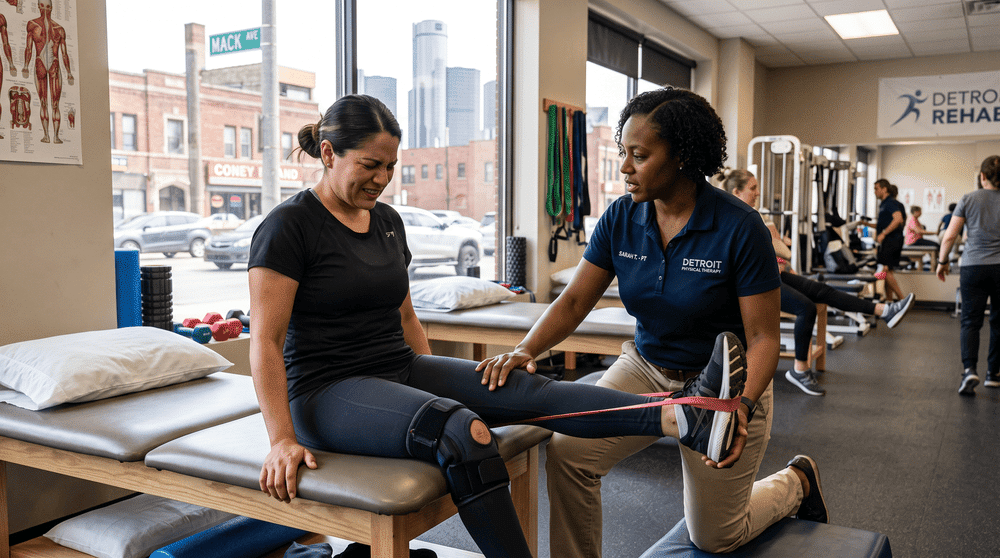
Pain after a Detroit car accident does not always disappear with a few days of rest. Neck injuries, back injuries, shoulder problems, knee damage, and soft tissue trauma can interfere with work, sleep, driving, and basic daily activities for weeks or months. When a doctor recommends physical therapy, beginning treatment without an unnecessary delay may be important for both physical recovery and the documentation of an injury claim. Physical therapy can create a detailed record showing what movements cause pain, which activities have become difficult, and whether physical limitations are improving. Those records may become important when an insurance company questions whether an injury was caused by the crash or how seriously it has affected the injured person.
Physical Therapy Can Address Injuries That Do Not Heal With Rest Alone
A car accident can put a lot of stress on your muscles, joints, ligaments, discs, and other parts of your body. Even if X-rays do not show any broken bones, you may still have significant pain and trouble moving.
Doctors may recommend physical therapy for issues like whiplash, neck or back strains, herniated discs, shoulder or knee injuries, limited movement, muscle weakness, or balance problems. Treatment can involve exercises, stretching, strengthening, mobility work, and other rehab methods chosen by your provider.
The main goal is to help you regain function and get back to your usual activities. We encourage clients to take rehab seriously, since records of your progress, setbacks, and limits during therapy are an important part of your medical story.
Michigan No-Fault Benefits May Cover Physical Therapy
Michigan’s No-Fault Act provides Personal Injury Protection benefits for qualifying accident-related expenses. Under MCL 500.3107(1)(a), PIP benefits may include reasonable charges incurred for reasonably necessary products, services, and accommodations for an injured person’s care, recovery, or rehabilitation. Physical therapy prescribed because of injuries suffered in a motor vehicle accident may fall within this category, subject to the applicable insurance coverage, statutory limits, and circumstances of the claim.
That is why keeping good medical records matters. Therapy notes should show what condition is being treated, your symptoms, any physical limits, the treatments you receive, and how you improve over time.
If your insurance company questions whether physical therapy is needed or related to the accident, these records can be key to your case.
Early Treatment Can Help Establish The Connection Between The Crash And The Injury
One issue that frequently arises in personal injury claims is causation. The injured person must be able to connect the claimed injury to the accident. Suppose someone develops severe neck and shoulder pain immediately after a crash but waits six weeks before seeking physical therapy despite a doctor’s recommendation. The insurance company may argue that the treatment gap raises questions about the severity of the condition or whether something else caused the later symptoms.
That does not mean a treatment delay automatically defeats a claim. People delay treatment for many legitimate reasons, including transportation problems, work obligations, difficulty obtaining appointments, insurance disputes, or changing symptoms. Still, beginning recommended care promptly can reduce opportunities for an insurer to create unnecessary disputes about the medical timeline.
Physical Therapy Records Can Document More Than Pain
An injury claim is not based solely on a person’s statement that something hurts. Medical records can show how the injury actually affects physical function.
A physical therapist may document reduced range of motion, weakness, difficulty lifting, abnormal gait, inability to sit or stand for extended periods, difficulty climbing stairs, or restrictions involving work and household activities.
Those findings can become important in serious motor vehicle injury cases because Michigan law permits certain claims against an at-fault driver when an injury results in a serious impairment of body function.
Under MCL 500.3135, a serious impairment involves an objectively manifested impairment of an important body function that affects the injured person’s general ability to lead their normal life. Therapy records showing measurable restrictions and changes in everyday functioning may help demonstrate how an injury has affected that person’s life.
Gaps In Physical Therapy Can Become An Insurance Issue
Insurance adjusters routinely examine medical treatment histories when evaluating claims. Long unexplained gaps may be used to argue that an injury had resolved, was minor, or did not require the amount of treatment being claimed.
We do not recommend attending unnecessary medical appointments simply to create records. Treatment should be based on legitimate medical needs. At the same time, when a doctor or therapist establishes a treatment schedule, consistently following that plan can provide a clearer picture of the patient’s recovery.
If a patient cannot attend therapy because of work, transportation, illness, financial concerns, or another legitimate reason, communicating that information to the medical provider can help explain what happened rather than leaving an unexplained break in the records.
Physical Therapy Can Help Show Whether An Injury Has Become Long-Term
Not every patient responds to physical therapy in the same way. Some recover quickly. Others improve only partially despite months of rehabilitation.
That distinction can matter when evaluating damages.
A person who completes a reasonable course of therapy yet continues experiencing limited motion, weakness, pain, or difficulty working may require additional medical evaluation, injections, imaging, surgery, or long-term restrictions. The therapy records can help establish that conservative treatment was attempted and document how the patient responded.
For serious injuries, this information may also assist physicians in determining whether future treatment will be necessary.
Do Not Stop Treatment Because An Insurance Adjuster Suggests You Are Better
Medical treatment decisions belong between patients and their healthcare providers. An insurance adjuster’s opinion should not determine whether a patient continues prescribed rehabilitation.
Insurers have a financial interest in limiting what they pay. We sometimes see disputes involving the number of therapy sessions, medical necessity, causation, or whether continued treatment is reasonable.
Under Michigan law, disputes involving accident-related rehabilitation may involve PIP benefits as well as a separate liability claim against an at-fault driver. Keeping organized records and following appropriate medical advice can help protect both claims.
Pay Attention To Michigan No-Fault Deadlines
Medical treatment after a motor vehicle crash also involves important deadlines. Under MCL 500.3145, a lawsuit seeking unpaid PIP benefits generally cannot be started more than one year after the accident unless the required written notice of injury was given within one year or the insurer previously paid PIP benefits for the injury. Additional limitations apply to recovery of particular losses.
We encourage injured people to address insurance and medical issues promptly rather than assuming unpaid therapy bills can be handled later.
FAQs About Physical Therapy After A Detroit Car Accident
How Soon Should I Start Physical Therapy After A Car Accident?
The appropriate starting date depends on your injuries and the recommendations of your medical providers. Some patients may begin therapy soon after a crash, while others may need diagnostic testing, immobilization, surgery, or a period of healing first. We recommend following the treatment plan established by your doctor rather than selecting a timetable based on an insurance claim. If therapy is prescribed, an unnecessary delay may give an insurer an argument about whether the treatment was actually needed or connected to the accident.
Can Physical Therapy Records Help My Michigan Car Accident Claim?
Yes. Therapy records can provide objective information about range of motion, strength, mobility, pain levels, physical restrictions, and progress. They may also document activities that have become difficult, such as walking, lifting, driving, working, or completing household tasks. Those details can be particularly important when evaluating whether an injury has affected your normal life under MCL 500.3135.
Will Michigan No-Fault Insurance Pay For Physical Therapy?
Physical therapy may qualify for PIP benefits when it constitutes a reasonably necessary service for accident-related care, recovery, or rehabilitation under MCL 500.3107. Coverage can depend on the person’s applicable PIP medical coverage and the specific facts of the claim. Insurers may dispute whether treatment is necessary, reasonable, or related to the collision.
What Happens If I Miss Physical Therapy Appointments?
Missing an occasional appointment does not automatically destroy a claim. Repeated or lengthy unexplained gaps, however, may give an insurance company an opportunity to argue that your condition was improving or that treatment was unnecessary. If legitimate circumstances interfere with therapy, we recommend communicating with your medical provider and rescheduling when appropriate.
Should I Continue Physical Therapy If I Still Have Pain?
That is a medical decision that should be made with your treating provider. If treatment is not improving your condition, your doctor may recommend additional testing, referral to another provider, injections, different therapy techniques, or a surgical consultation. From a legal standpoint, the important issue is accurately documenting what treatment was attempted and how your condition responded.
Ravid & Associates, P.C. Can Help After A Detroit Car Accident
Physical therapy can become an important part of recovery after a serious motor vehicle accident, but medical treatment and insurance claims do not always proceed smoothly. We help injured clients deal with disputes involving medical treatment, PIP benefits, liability, causation, and compensation for serious injuries. We also work to document how an injury has changed our client’s ability to work and live normally.
If you were injured in a Detroit car accident and are receiving physical therapy or have been told that rehabilitation may be necessary, call our Detroit car accident attorneys at Ravid & Associates, P.C. today at (248) 948-9696 to receive your free consultation. We represent injured people in Detroit and throughout Michigan from our office location in Southfield, Michigan. We can review the accident, insurance coverage, medical treatment, and potential claims, and explain the legal options available under Michigan law.

