
Spinal Injuries After A Detroit Pedestrian Accident
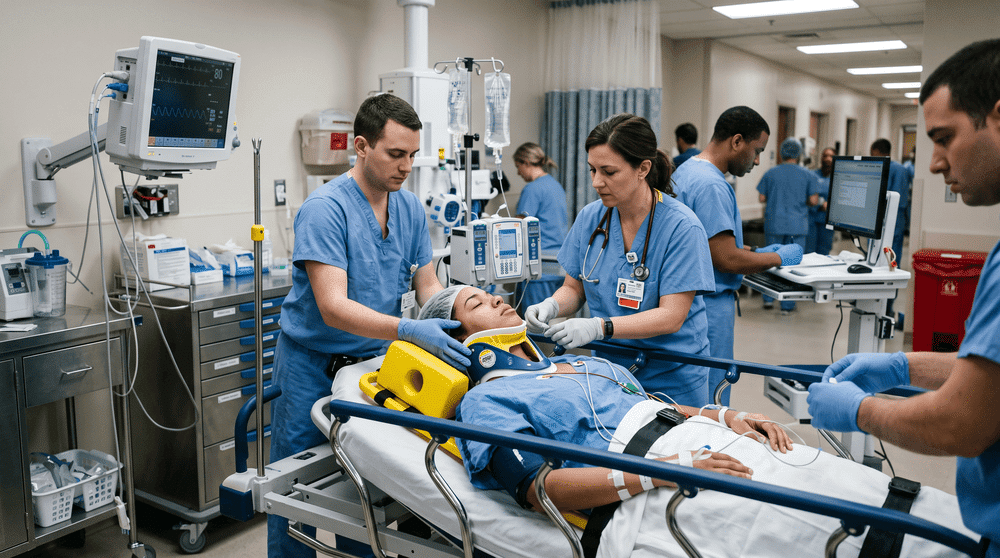
A pedestrian has almost no physical protection when struck by a moving vehicle. In a serious Detroit pedestrian accident, the initial impact can throw a person onto the hood, windshield, pavement, or another vehicle, creating several opportunities for severe spinal trauma. Some people suffer fractured vertebrae, damaged discs, nerve injuries, or spinal cord damage that changes their ability to work and live independently. Others initially believe they escaped with relatively minor injuries, only to develop significant back pain, numbness, weakness, or mobility problems in the hours or days that follow. These cases often involve substantial medical expenses and difficult questions about insurance coverage, fault, future treatment, and long-term compensation.
We represent pedestrians injured by negligent motorists in Detroit and throughout Michigan. When spinal injuries are involved, we look beyond the immediate hospital bills and examine how the injury may affect mobility, employment, future medical needs, independence, and quality of life. Michigan’s No-Fault Act and liability laws can provide different forms of compensation, but the rules that apply to pedestrians are not always intuitive. Building the claim correctly from the beginning can have a major effect on the compensation ultimately available.
How Pedestrian Accidents Cause Serious Spinal Injuries
A pedestrian may experience more than one violent impact during a collision. The vehicle can first strike the legs, hips, or torso. The pedestrian may then hit the hood or windshield before being thrown onto the roadway. Each impact can place substantial force on the cervical, thoracic, or lumbar spine.
Spinal injuries may include herniated or bulging discs, vertebral fractures, compression fractures, nerve root injuries, spinal stenosis aggravated by trauma, and damage to the spinal cord. Severe cord injuries may cause partial or complete paralysis. Even when paralysis does not occur, nerve compression can lead to chronic pain, weakness, numbness, loss of sensation, or difficulty walking.
We pay close attention to diagnostic imaging, neurological findings, treatment recommendations, physical restrictions, and whether doctors believe future surgery or rehabilitation may be necessary.
Drivers Have Legal Duties Toward Pedestrians
Michigan motorists must obey traffic-control devices and exercise reasonable care around pedestrians. MCL 257.612 and MCL 257.613 address traffic-control signals and pedestrian movement at controlled intersections. For example, pedestrians facing a green indication may generally proceed across the roadway within a marked or unmarked crosswalk, subject to the specific traffic conditions and applicable signals.
Liability may arise when a driver fails to yield, turns through a crosswalk without watching for pedestrians, runs a traffic signal, speeds, drives while distracted, or fails to use reasonable care under the circumstances.
A pedestrian accident claim is rarely decided by a single fact. We may examine intersection cameras, business surveillance footage, witness statements, police reports, vehicle damage, cell phone evidence, skid marks, and electronic vehicle information. In a serious spinal injury case, establishing exactly how the collision occurred can be important because insurers may attempt to shift part of the responsibility to the pedestrian.
Michigan No-Fault Benefits May Apply To Injured Pedestrians
A pedestrian struck by a motor vehicle may have rights to Personal Injury Protection benefits even though the pedestrian was not inside a vehicle.
Under MCL 500.3114(1), a person’s own applicable No-Fault policy can provide PIP benefits when the bodily injury arises from a motor vehicle accident. When an injured pedestrian does not have applicable coverage under that priority provision, MCL 500.3115 generally directs a person injured while not occupying a motor vehicle to seek PIP benefits through the Michigan Assigned Claims Plan.
Depending on the applicable coverage and circumstances, MCL 500.3107 allows PIP benefits for reasonable charges for reasonably necessary care, recovery, and rehabilitation. The statute also provides qualifying wage-loss benefits for the first three years after the accident and limited replacement-service benefits.
For someone with a spinal injury, these benefits can be especially important. Treatment may include hospitalization, diagnostic testing, surgery, pain management, physical therapy, rehabilitation, medications, mobility equipment, and assistance with daily activities.
A Spinal Injury May Support A Third-Party Claim Against The Driver
PIP benefits are different from a liability claim against the negligent driver. Michigan law allows an injured pedestrian to pursue certain damages from an at-fault motorist when the legal requirements are met.
Under MCL 500.3135, a person may pursue noneconomic damages arising from the ownership, maintenance, or use of a motor vehicle when the person suffers death, permanent serious disfigurement, or a serious impairment of body function.
A serious spinal injury may satisfy this threshold when it objectively affects an important body function and influences the injured person’s general ability to lead a normal life. A pedestrian who cannot walk normally, return to work, lift family members, exercise, drive comfortably, or perform ordinary activities may have substantial evidence concerning the effect of the injury.
We do not evaluate these claims based solely on the name of the diagnosis. We examine what the spinal injury has actually done to the person’s life.
Comparative Fault Can Affect A Pedestrian Injury Claim
Insurance companies sometimes argue that the pedestrian contributed to the accident. They may claim the person crossed against a signal, entered traffic unexpectedly, was distracted, or crossed outside an appropriate location.
Under MCL 600.2959, damages in a Michigan personal injury action are reduced according to the injured person’s percentage of comparative fault. If the injured person’s percentage of fault is greater than the combined fault of the other responsible persons, noneconomic damages are barred, while economic damages are reduced according to the person’s percentage of fault.
This makes early evidence preservation important. A driver’s statement that a pedestrian “came out of nowhere” should not determine the outcome without investigation. Video evidence, vehicle speed, sight lines, traffic signals, witness accounts, and the driver’s attention immediately before impact may tell a very different story.
The Long-Term Cost Of A Spinal Injury Must Be Considered
A serious spinal injury may create expenses that continue long after an insurance company wants to resolve the claim. Surgery may be only one stage of treatment. Some clients need injections, rehabilitation, future procedures, pain management, home assistance, or modifications to their daily activities.
Lost earning capacity can also become significant. A person who previously worked in construction, manufacturing, health care, transportation, or another physically demanding occupation may no longer be capable of performing the same job. Even an office worker may struggle with prolonged sitting, chronic pain, medication side effects, or neurological symptoms.
We consider both present losses and reasonably supported future consequences when evaluating a claim. Accepting a settlement without understanding those future needs can leave an injured pedestrian responsible for expenses that emerge years later.
Frequently Asked Questions About Spinal Injuries After Detroit Pedestrian Accidents
Can A Pedestrian Receive Michigan No-Fault Benefits After Being Hit By A Car?
Yes, depending on the circumstances. Michigan’s No-Fault system can provide PIP benefits to pedestrians injured in motor vehicle accidents. Under MCL 500.3114, applicable coverage may first come through the injured person’s own policy or qualifying household coverage. If no applicable policy exists under that provision, MCL 500.3115 generally directs claims by people injured while outside a vehicle to the Michigan Assigned Claims Plan. Because insurance priority can become complicated, we determine which insurer or claims source should receive the application rather than assuming the driver’s insurer is automatically responsible for PIP benefits.
Can We Sue The Driver For A Herniated Disc Or Spinal Cord Injury?
Potentially, yes. Under MCL 500.3135, a person injured through the ownership, maintenance, or use of a motor vehicle may pursue noneconomic damages when the injury constitutes a serious impairment of body function, permanent serious disfigurement, or death. A spinal injury can satisfy the serious impairment requirement depending on objective medical evidence and its effect on the person’s life. We examine medical findings, work restrictions, daily limitations, prognosis, treatment, and the activities the person can no longer perform as before the collision.
What If The Driver Claims We Were Outside The Crosswalk?
Being outside a marked crosswalk does not automatically mean an injured pedestrian has no claim. Fault must be determined from the complete circumstances surrounding the collision. Michigan’s comparative fault statute, MCL 600.2959, can reduce compensation when the injured person shares responsibility. We investigate vehicle speed, visibility, driver attention, traffic controls, witness accounts, video recordings, and where the impact occurred before assessing comparative fault. The insurance company’s initial determination is not necessarily the final legal determination.
What Compensation May Be Available For A Serious Spinal Injury?
The available compensation depends on the claim and insurance coverage involved. PIP benefits may pay qualifying expenses related to medical care, rehabilitation, wage loss, and replacement services under Michigan’s No-Fault Act. A separate third-party claim against an at-fault driver may seek damages that can include pain and suffering and qualifying economic losses not otherwise covered. Severe spinal injuries may also require an evaluation of future medical treatment, diminished earning capacity, permanent physical limitations, and the long-term effect on the person’s daily life.
What If Spinal Pain Did Not Start Until Days After The Pedestrian Accident?
Delayed symptoms do not necessarily mean the injury is unrelated to the crash. Some disc injuries, nerve problems, inflammation, and soft-tissue injuries become more noticeable after the initial trauma. What matters is obtaining appropriate medical care and creating an accurate medical history. We want treating physicians to know when the collision occurred, how the impact happened, when symptoms began, and whether those symptoms changed. Long unexplained treatment gaps can give an insurance company an argument to dispute causation, so symptoms should not be ignored.
Talk To Ravid & Associates, P.C. About A Detroit Pedestrian Spinal Injury Claim
A spinal injury can affect far more than someone’s ability to walk without pain. It can interfere with employment, sleep, family responsibilities, independence, recreation, and plans for the future. When we handle a pedestrian injury claim, we work to identify every available source of insurance coverage, establish how the collision occurred, document the medical consequences, and account for the losses the injury may cause over time.
We also deal directly with the insurance companies so our clients do not have to handle those disputes while receiving treatment. When liability or the seriousness of an injury is challenged, we gather the evidence necessary to present the client’s case clearly and forcefully.
If you suffered a spinal injury after being struck by a vehicle in Detroit or elsewhere in Michigan, call our Detroit accident lawyers at Ravid & Associates, P.C. today at (248) 948-9696 to receive your free consultation. We represent injured pedestrians in Detroit and throughout the entire state of Michigan from our office location in Southfield, Michigan.
We can review how the accident occurred, determine which insurance benefits may apply, evaluate a possible claim against the responsible driver, and explain the legal options available under Michigan law.

