
Loss Of Vision Injury Claims After A Crash
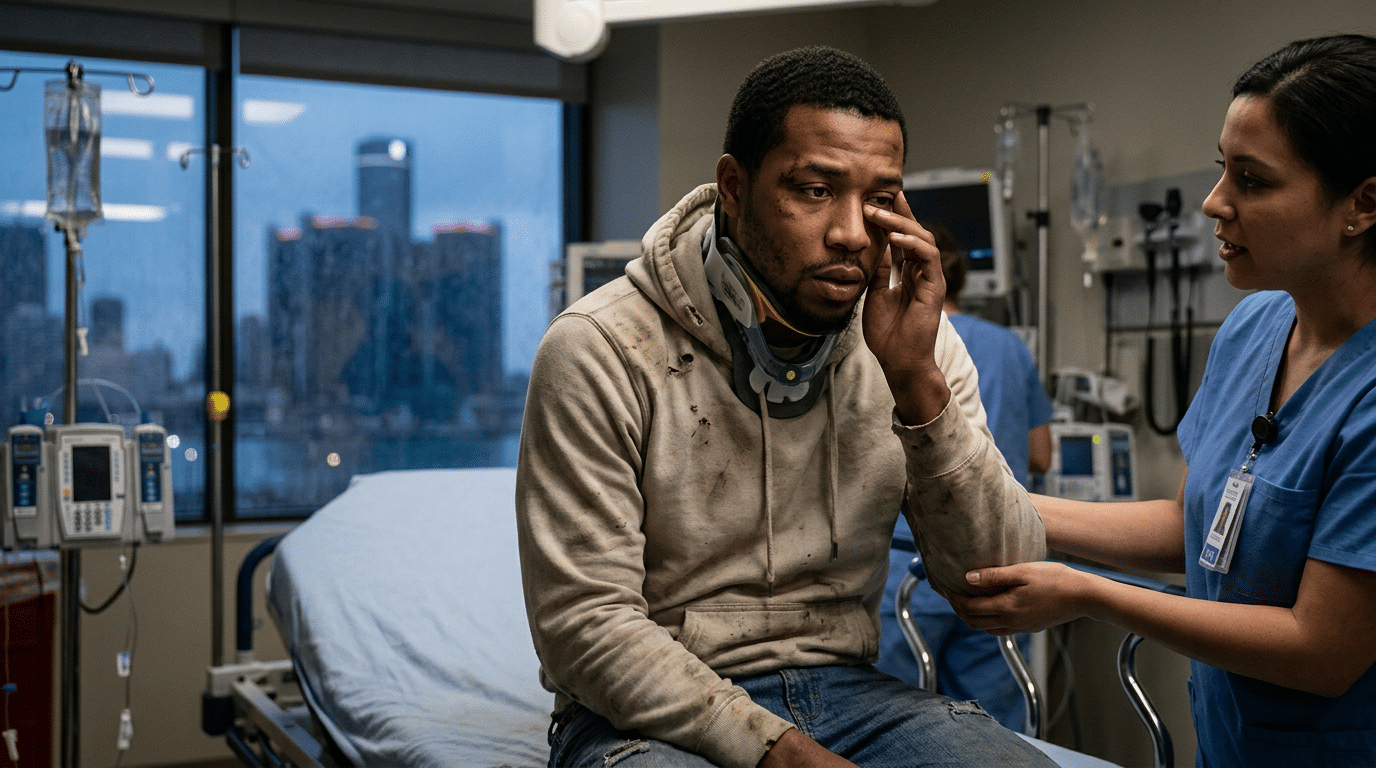
A serious car accident can change almost every part of a person’s life. Vision injuries are especially devastating. Losing your sight affects your job, ability to drive, independence, daily routines, and relationships. If a crash causes partial vision loss, permanent blindness, or other major eye injuries, the impact usually goes well beyond the first medical treatment. Many people need years of rehab, special training, and face major financial challenges.
We help people in Detroit who have suffered serious injuries in car accidents. Vision loss claims often involve large damages because losing your sight can make it hard to work, take care of yourself, or enjoy daily life. Michigan law gives accident victims options if another driver’s carelessness caused their vision injury. Knowing how these claims work can help you protect your rights and seek the compensation you deserve.
How Car Accidents Cause Vision Loss
Vision loss can occur in several ways during a motor vehicle collision. Direct trauma to the eye is one of the most obvious causes. Flying debris, shattered glass, airbag deployment, or impact with the steering wheel can result in severe eye damage.
Not all vision injuries are caused by a direct blow to the eye. Many people in crashes get brain injuries that affect the optic nerves or the parts of the brain that handle vision. Even if the eyes look normal, brain damage can cause blurred or double vision, smaller visual fields, light sensitivity, or even permanent blindness.
Common vision-related injuries include:
- Retinal detachment
- Optic nerve damage
- Corneal lacerations
- Orbital fractures
- Traumatic glaucoma
- Partial blindness
- Total blindness
- Double vision
- Visual processing disorders caused by brain injuries
These injuries often require extensive medical treatment and may permanently affect quality of life.
Why Vision Loss Cases Often Involve Significant Damages
Loss of vision affects nearly every area of daily functioning. Many individuals can no longer drive, perform their jobs, or engage in activities they once enjoyed. In severe cases, victims require lifelong assistance and accommodations.
Compensation in these cases may include:
- Past and future medical expenses
- Rehabilitation costs
- Occupational therapy
- Lost wages
- Loss of future earning capacity
- Pain and suffering
- Emotional distress
- Loss of enjoyment of life
The more severe and permanent the vision impairment, the greater the potential financial losses. Because these damages can continue for decades, thorough case preparation is critical.
Michigan No-Fault Benefits For Vision Loss Injuries
Michigan’s No-Fault Insurance Act, MCL 500.3101, provides important benefits for individuals injured in motor vehicle accidents.
Personal Injury Protection (PIP) benefits may provide coverage for medical treatment, hospital expenses, rehabilitation, wage loss benefits, attendant care services, and replacement services.
For individuals suffering vision loss, these benefits can be essential during recovery. Depending on the severity of the injury, treatment may involve surgeries, visual rehabilitation programs, assistive technology, and ongoing medical monitoring.
Promptly reporting the injury and complying with applicable deadlines can help preserve eligibility for available benefits.
Pursuing A Pain And Suffering Claim Against The At-Fault Driver
Michigan law allows injured individuals to pursue a third-party claim against the at-fault driver when certain legal requirements are met.
Under MCL 500.3135, a victim generally must demonstrate death, permanent serious disfigurement, or serious impairment of body function.
Vision loss often satisfies the serious impairment threshold because eyesight is one of the body’s most important functions. Courts frequently recognize permanent vision impairment as a substantial limitation that affects a person’s normal life.
A successful third-party claim may allow recovery of damages beyond those available through No-Fault benefits, including pain and suffering and excess economic losses.
Proving Vision Loss In A Michigan Injury Claim
Strong medical evidence is essential in vision loss cases. Insurance companies frequently challenge the severity of injuries, especially when the damage involves neurological or visual processing issues rather than obvious physical trauma.
Important evidence may include:
- Ophthalmology records
- Neuro-ophthalmology evaluations
- Diagnostic imaging
- Surgical records
- Vision testing results
- Rehabilitation records
- Employment records
- Expert medical opinions
We work closely with treating physicians and specialists to document how the injury affects our clients’ daily lives, employment opportunities, and future needs.
The Importance Of Future Damages In Vision Loss Cases
Many injury claims focus primarily on current medical expenses. Vision loss cases are different because the consequences often continue throughout a person’s lifetime.
Future damages may include long-term medical care, home modifications, transportation assistance, assistive technology, reduced earning potential, and personal care services.
Calculating these losses requires careful analysis. We often work with economic and vocational professionals to evaluate the long-term impact of the injury and the financial support our clients may require in the future.
Why Early Legal Representation Matters
Evidence preservation is important in every personal injury case, but it is especially important in catastrophic injury claims involving vision loss. Witness statements, accident reconstruction evidence, vehicle data, and medical records can all play a significant role.
Insurance companies often attempt to minimize claims involving future damages because those losses can be substantial. Building a strong case early helps protect the value of the claim and places the injured person in a stronger position throughout the legal process.
Frequently Asked Questions About Loss Of Vision Injury Claims After A Crash
Can A Car Accident Cause Permanent Vision Loss?
Yes. Car accidents can cause permanent vision loss through direct trauma to the eye, damage to the optic nerve, retinal injuries, or traumatic brain injuries affecting visual processing. Some victims lose vision immediately, while others experience symptoms that worsen over time. Prompt medical evaluation is critical whenever vision changes occur after a crash.
Does Michigan No-Fault Insurance Cover Vision Loss Treatment?
Yes. Under Michigan’s No-Fault Act, Personal Injury Protection benefits may cover necessary medical treatment related to accident injuries. This may include surgeries, specialist visits, rehabilitation programs, medications, and certain forms of attendant care. Coverage depends on the facts of the claim and applicable insurance policies.
Can I Sue The Driver Who Caused My Vision Loss?
In many cases, yes. Michigan law allows injured individuals to pursue a third-party claim against an at-fault driver when the injury constitutes a serious impairment of body function under MCL 500.3135. Permanent or significant vision loss frequently meets this legal threshold.
What If My Vision Problems Started Days After The Accident?
Delayed symptoms are common after certain eye injuries and traumatic brain injuries. Vision changes may not appear immediately following a collision. If symptoms develop later, it is important to seek medical attention as soon as possible and document the condition. Medical records can help establish the connection between the accident and the injury.
How Much Is A Vision Loss Injury Case Worth?
The value of a claim depends on numerous factors, including the severity of the vision loss, medical expenses, future care needs, lost income, and the impact on daily life. Permanent blindness or severe visual impairment often results in substantial damages because of the long-term consequences associated with the injury.
What Evidence Helps Prove A Vision Loss Injury Claim?
Medical records are among the most important forms of evidence. Vision testing, diagnostic imaging, treatment records, specialist evaluations, rehabilitation documentation, and testimony regarding how the injury affects daily activities can all strengthen a claim. Employment records may also help demonstrate lost earning capacity.
Ravid & Associates, P.C. Helps Michigan Crash Victims Pursue Compensation For Vision Loss Injuries
Vision loss is one of the most life-altering injuries a person can suffer after a car accident. We work to hold negligent drivers accountable and pursue compensation for the medical expenses, financial losses, and personal hardships our clients face. Our goal is to help injured individuals secure the resources they need to move forward after a catastrophic injury.
If you suffered vision loss or a serious eye injury after a Michigan car accident, call our Detroit accident injury lawyers at Ravid & Associates, P.C. today by calling (248) 948-9696 to receive your free consultation. We represent injured clients in Detroit and throughout the entire state of Michigan from our office locations in Southfield, Michigan. Let us help you pursue the compensation available under Michigan law and protect your future.

