
How Do You Prove Fault In A Fatal Head-On Collision In Michigan?
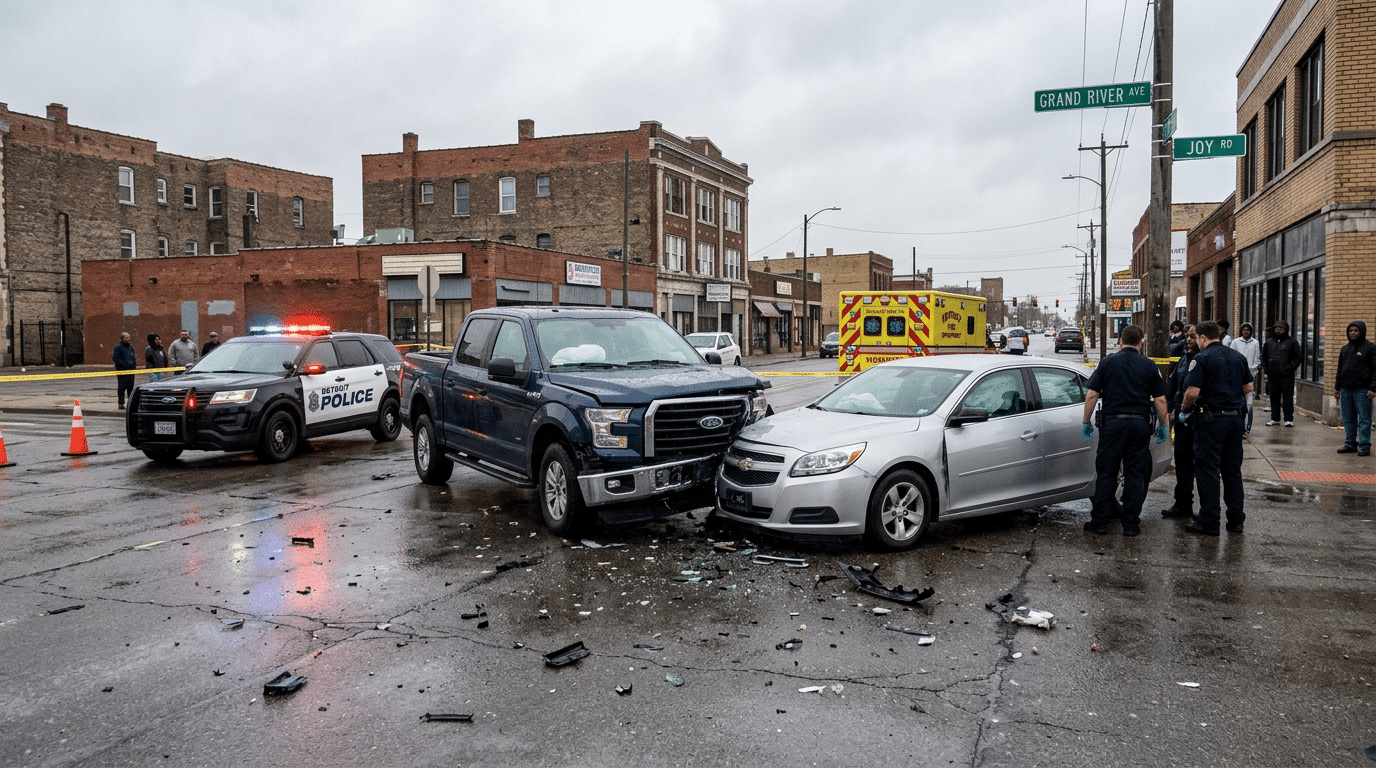
A fatal head-on collision often leaves families looking for answers about what happened and who is responsible. These crashes happen quickly, and the person who died cannot share their side. This is why physical evidence, witness statements, electronic data, and a thorough investigation matter so much. While a police report can help, we know it may not tell the whole story. When we investigate a fatal Michigan head-on collision, we work to piece together what happened, find out why one vehicle entered the other’s path, and identify everyone who may have played a role in the tragedy.
If another driver’s negligence causes a fatal crash, Detroit families may be able to file a wrongful death claim. Proving who was at fault is key to these cases. The more clearly we can show how and why the crash happened, the better we can seek justice and compensation for your family.
Determining Which Vehicle Crossed The Center Line
One of the first questions we investigate is which vehicle entered the opposing lane. Under MCL 257.634, Michigan drivers generally must operate on the right half of the roadway, subject to specific statutory exceptions such as lawful passing.
Crossing the center line into oncoming traffic is often strong evidence of negligence. The more difficult question is usually why the vehicle crossed the line in the first place.
A driver may have been distracted, intoxicated, asleep, speeding, passing illegally, or simply failed to maintain control. In other crashes, a mechanical defect, tire failure, medical emergency, roadway problem, or another vehicle’s actions may have contributed.
We keep investigating even after finding out which vehicle crossed the center line. We look for the reason behind that movement, since it could point to others who may also be responsible.
Using Physical Evidence To Reconstruct The Crash
The accident scene often holds clues that tell the story better than statements made after the crash. We look at things like skid marks, tire marks, gouges in the road, where debris landed, where the vehicles stopped, road markings, impact points, and the damage to each vehicle.
The location and angle of the damage can be particularly important in a head-on collision. Vehicle crush patterns may help determine direction of travel, speed, and the angle at which the vehicles collided.
When needed, we work with skilled accident reconstruction experts who review measurements, photos, vehicle damage, road evidence, and other data. This is especially helpful if the surviving driver says the person who died caused the crash.
Preserving Vehicle Data And Electronic Evidence
Modern vehicles often hold important electronic evidence. Event data recorders can save details like speed, braking, accelerator use, seat belt use, and other information from just before the crash, depending on the vehicle and its system. phones, navigation systems, dash cameras, nearby businesses, residential security cameras, or traffic cameras.
Electronic evidence does not last forever. Vehicles can be repaired, destroyed, or sold, and surveillance videos can be erased. That’s why we believe it’s important to start preserving evidence as soon as possible after a fatal crash.
Investigating Distracted, Drunk, Or Fatigued Driving
If a driver suddenly moves into the wrong lane, we carefully review what the driver was doing before the crash.
Cell phone evidence may show whether the driver was texting, making calls, using an application, or otherwise interacting with a device shortly before impact. Toxicology evidence may reveal alcohol or controlled substances. Witness testimony may establish erratic driving, excessive speed, or repeated lane departures before the collision.
Fatigue can also play a role. A driver who falls asleep might slowly cross the center line without braking or trying to avoid a crash. If a commercial truck is involved, driver logs and company records can show how many hours the driver worked and when they rested.
Examining Witnesses And Video Evidence
Independent witnesses are very important in fatal head-on collision cases. Someone driving behind either car may have seen one vehicle cross the center line. Other witnesses might have noticed unsafe passing, speeding, aggressive driving, or swerving just before the crash.
Video can be even stronger evidence. Cameras at businesses, homes, intersections, trucks, or other vehicles may have recorded the crash or the vehicles just before it happened.
We work quickly to find and save this evidence because many video systems automatically erase old recordings.
Proving A Michigan Wrongful Death Claim
Michigan’s Wrongful Death Act, MCL 600.2922, applies when a death is caused by another person’s wrongful act, neglect, or fault. The action is brought by the personal representative of the deceased person’s estate.
To build your case, we need to show who was legally responsible for the crash. This usually means proving the defendant had a duty to drive safely, broke that duty, caused the crash, and caused the death and related damages.th recovery may include damages associated with the deceased person’s injuries before death as well as funeral and burial expenses and compensation for losses suffered by qualifying family members, including loss of financial support and loss of society and companionship, where supported by Michigan law and the evidence.
Determining Whether Other Parties Share Responsibility
The driver who crossed the center line might not be the only one responsible.
If the vehicle was being operated for an employer, business liability issues may arise. A defective vehicle component could create a claim against a manufacturer or another responsible company. Improper repairs could raise questions about a maintenance provider. A commercial trucking collision could involve both the truck driver and the motor carrier.
Finding everyone who may be responsible is especially important in serious wrongful death cases, since the family’s financial losses can be significant.
Acting Before Critical Evidence Is Lost
Michigan generally provides a three-year limitations period for an action seeking damages for a person’s death under MCL 600.5805, although different deadlines, procedural requirements, and exceptions can arise depending on the defendants and circumstances.
We do not suggest waiting just because you have three years to file a claim. Evidence can disappear in days or weeks. Vehicles might be destroyed, videos erased, witnesses hard to find, and memories can fade.
A fatal head-on collision needs an investigation based on the evidence available now, not just what might be left years later.
Frequently Asked Questions About Fatal Head-On Collision Claims In Michigan
Who Files A Wrongful Death Lawsuit After A Fatal Michigan Head-On Collision?
Under MCL 600.2922, the personal representative of the deceased person’s estate files the wrongful death lawsuit. This person acts for the estate and those who may benefit. Depending on the family, those who can receive part of a settlement may include a spouse, children, descendants, parents, siblings, and others recognized by Michigan law. We help families handle the wrongful death lawsuit and any probate issues needed to pursue and distribute a settlement or judgment.
What If There Were No Eyewitnesses To The Head-On Collision?
Even without eyewitnesses, it is still possible to prove who was at fault. Some of the best evidence can come from the vehicles and the road itself. We use things like vehicle damage, debris patterns, tire marks, event data recorders, cell phone records, photos, police measurements, surveillance videos, and accident reconstruction. This evidence can show which vehicle crossed the center line and what the drivers were doing just before the crash.
What If The Surviving Driver Blames The Person Who Died?
We take these cases very seriously because the deceased driver cannot share their side of the story. We look for independent evidence to confirm or challenge what the surviving driver says. Physical evidence, electronic data, phone records, witness statements, video, and reconstruction can give a clearer picture of what happened. Since comparative fault can affect a Michigan case, we investigate any claims against the deceased instead of just accepting them.
Can A Family Recover Compensation For Loss Of Companionship?
Michigan’s Wrongful Death Act, MCL 600.2922, allows families to recover damages the court or jury finds fair, including compensation for loss of companionship when it applies. Cases may also cover funeral and burial costs, lost financial support, and damages for the person’s pain and suffering before death. The exact damages depend on the person’s life, family, earnings, age, and the details of the crash.
How Quickly Should A Fatal Head-On Collision Be Investigated?
We believe it’s best to start the investigation as soon as possible. Vehicles with important electronic data can be destroyed or released, and stores may erase surveillance video quickly. Witnesses can be hard to find, and road evidence can disappear due to weather, traffic, or repairs. Starting early helps us save evidence before anyone can say it no longer exists.
Speak With Ravid & Associates, P.C. About Fatal Michigan Head-On Claims
When a loved one dies in a head-on collision, finding out what happened takes more than just accepting what the insurance company says. We look at the road, vehicles, electronic data, witnesses, driver actions, and every other source of information that might explain the crash. If the evidence shows someone else caused the death, we work to get your family the compensation Michigan law allows.
If your family has lost someone in a fatal head-on collision, contact our Detroit wrongful death attorneys at Ravid & Associates, P.C. today by calling (248) 948-9696 to receive your free consultation. We help families in Detroit and across Michigan from our Southfield offices. We can investigate the crash, save important evidence, find out who is responsible, and handle your wrongful death claim.

