
Herniated Disc Claims After Rear-End Collisions
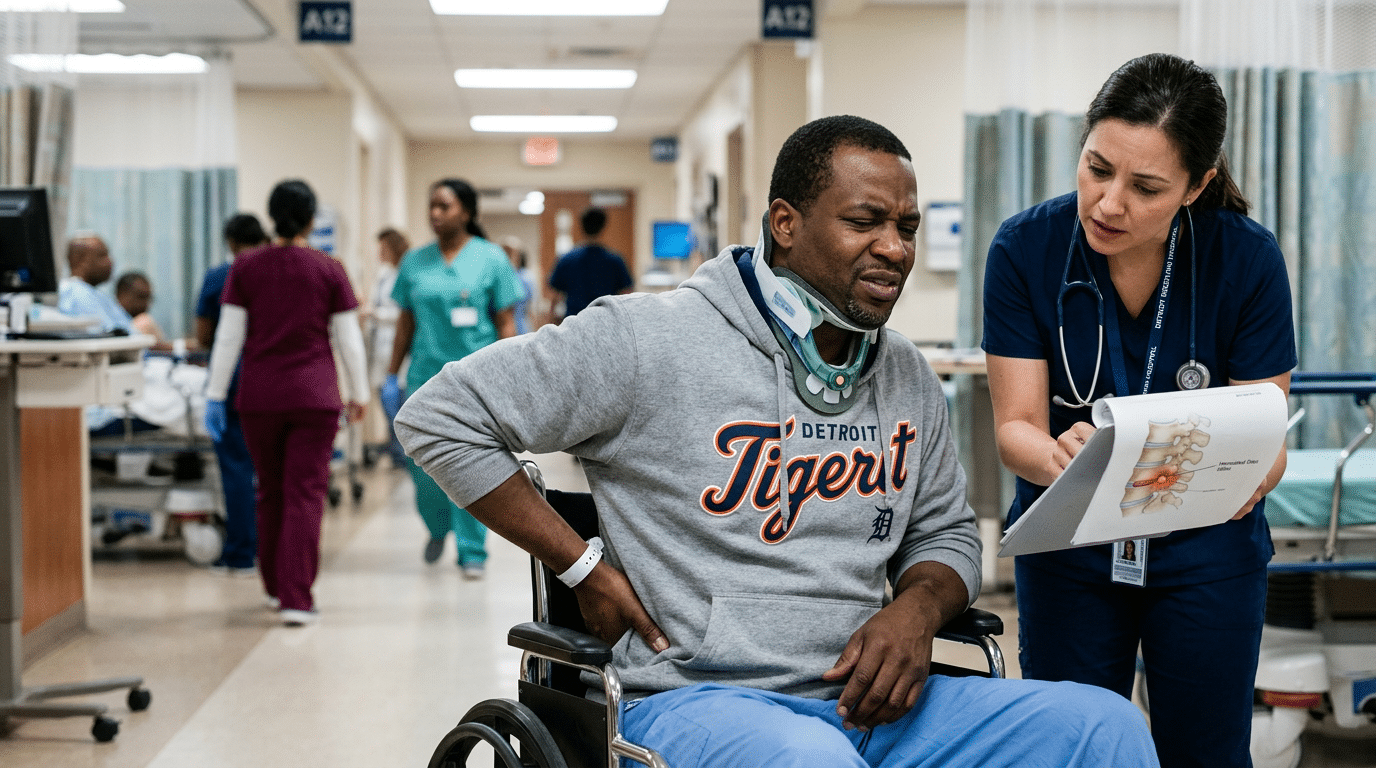
A rear-end collision might look minor at first, but it can lead to serious injuries. Herniated discs are one of the most common problems after these accidents. The impact can make a spinal disc bulge, tear, or press on nearby nerves, causing pain, numbness, weakness, and lasting problems. Many people think they are just sore or stiff after a crash, but later find out they have a more serious spinal injury.
Treating a herniated disc often means needing medical care, physical therapy, pain management, injections, or sometimes surgery. These injuries can make it hard to work, care for your family, or do everyday tasks. Michigan law allows people in Detroit hurt by negligent drivers to seek compensation for these losses. Knowing how herniated disc claims work after a rear-end crash helps you protect your health and your legal rights.
Why Rear-End Collisions Frequently Cause Herniated Discs
Rear-end crashes cause the body to speed up and slow down suddenly. The spine takes on much of this force. When a car is hit from behind, the neck and back can move sharply beyond their usual limits.
The impact can place tremendous stress on the spinal discs located between the vertebrae. These discs act as cushions that absorb shock and support movement. When damaged, the disc’s inner material may protrude through its outer layer and press against nearby nerves.
Herniated discs commonly occur in the Cervical spine (neck), Thoracic spine (upper back), and Lumbar spine (lower back). The lumbar and cervical regions are particularly vulnerable because they bear significant stress during a collision.
Common Symptoms Of A Herniated Disc
The symptoms of a herniated disc vary depending on the location and severity of the injury. Some symptoms appear immediately, while others develop gradually over several days or weeks.
Common symptoms include:
- Neck pain
- Lower back pain
- Pain radiating into the arms or legs.
- Numbness and tingling
- Muscle weakness
- Limited range of motion
- Difficulty standing, walking, or sitting for long periods
Because many rear-end collision victims initially experience generalized soreness, it is not uncommon for a herniated disc diagnosis to occur after advanced imaging studies such as MRI scans.
Medical Evidence Plays A Critical Role In Herniated Disc Claims
Insurance companies frequently challenge herniated disc claims. Adjusters often argue that the condition existed before the accident or was caused by age-related degeneration rather than trauma.
Medical evidence becomes critical in these cases. Diagnostic studies may include:
- MRI scans
- CT scans
- X-rays
- Neurological evaluations
- Electromyography (EMG) testing
Treating physicians may also document objective findings such as nerve compression, muscle weakness, reduced reflexes, and sensory deficits.
The stronger the medical evidence, the more difficult it becomes for an insurance company to dispute the injury.
Michigan No-Fault Benefits For Herniated Disc Injuries
Michigan’s No-Fault Insurance Act, found in MCL 500.3101, provides important benefits to individuals injured in motor vehicle accidents.
Depending on the applicable insurance coverage, injured individuals may be entitled to Personal Injury Protection (PIP) benefits that can include medical expenses, wage loss benefits, replacement services, and attendant care benefits.
These benefits may be available regardless of who caused the collision.
Prompt medical treatment is important because delays in treatment often provide insurance companies with arguments that the injury was unrelated to the crash.
When A Herniated Disc Supports A Pain And Suffering Claim
While No-Fault benefits provide important coverage, they do not compensate accident victims for pain and suffering.
To pursue pain and suffering damages against the at-fault driver, Michigan law generally requires proof of a serious impairment of body function under MCL 500.3135.
Many herniated disc injuries satisfy this threshold when they significantly affect a person’s ability to lead their normal life. Courts consider factors such as:
- The severity of the injury
- The duration of symptoms
- Physical limitations
- Impact on employment
- Restrictions on daily activities
A serious herniated disc injury requiring injections, ongoing treatment, or surgery may create a strong basis for pursuing non-economic damages.
Comparative Fault Can Affect Compensation
Michigan follows a modified comparative fault system under MCL 600.2959.
If an injured person is partially responsible for the accident, compensation may be reduced by the percentage of fault assigned to that person. If the injured party is more than 50 percent responsible, recovery of certain non-economic damages may be barred.
Although rear-end collisions frequently result in liability against the rear driver, every accident requires careful investigation. Issues such as sudden stops, mechanical failures, and multi-vehicle collisions may complicate fault determinations.
The Importance Of Acting Quickly After A Rear-End Collision
Evidence often disappears quickly after an accident. Vehicle damage may be repaired, witnesses may become difficult to locate, and surveillance footage may be lost.
Seeking prompt medical attention and preserving evidence can significantly strengthen a herniated disc claim. Early documentation helps establish the connection between the collision and the injury.
Building a successful case often requires obtaining medical records, accident reports, witness statements, imaging studies, and employment records documenting lost income and limitations.
Frequently Asked Questions About Herniated Disc Claims After Rear-End Collisions
Can A Rear-End Collision Cause A Herniated Disc Even At Low Speeds?
Yes. While high-speed impacts often result in severe injuries, even lower-speed rear-end collisions can generate enough force to damage spinal discs. The specific circumstances of the crash, vehicle positioning, occupant posture, and pre-existing spinal conditions may all affect the severity of injury.
How Is A Herniated Disc Diagnosed After A Car Accident?
A physician typically evaluates symptoms and conducts a physical examination. MRI imaging is often the most effective tool for identifying a herniated disc. Additional testing such as CT scans, EMG studies, and neurological evaluations may also be used to assess the extent of nerve involvement.
What If The Insurance Company Claims My Herniated Disc Was Pre-Existing?
This is a common defense in herniated disc cases. Many adults have age-related spinal changes that may not cause symptoms. If the accident aggravated or worsened a pre-existing condition, Michigan law may still allow recovery. Medical records, physician opinions, and diagnostic imaging often play important roles in addressing these disputes.
Can I Recover Compensation If I Need Surgery For A Herniated Disc?
Yes. Surgical treatment often demonstrates the seriousness of the injury. Compensation may include medical expenses, future treatment costs, lost wages, loss of earning capacity, and pain and suffering damages when Michigan’s legal threshold requirements are met.
How Long Does A Herniated Disc Claim Take To Resolve?
The timeline depends on the severity of the injury, medical treatment, insurance disputes, and whether litigation becomes necessary. Cases involving surgery or long-term treatment frequently take longer because it is important to understand the full extent of future medical needs before resolving the claim.
What If My Symptoms Did Not Appear Immediately After The Accident?
Delayed symptoms are common with spinal injuries. Adrenaline and inflammation can temporarily mask pain following a collision. Seeking medical attention when symptoms appear is important. Medical providers can often explain how delayed symptoms relate to the accident.
Ravid & Associates, P.C. Helps Victims Of Rear-End Collision Herniated Disc Injuries
A herniated disc can have lasting consequences that affect every aspect of your life. We help injured individuals pursue the compensation available under Michigan law while standing up to insurance companies that attempt to minimize serious spinal injuries. Our team works closely with clients to document their injuries, establish liability, and seek full financial recovery.
If you suffered a herniated disc in a rear-end collision, call our Detroit car accident attorneys at Ravid & Associates, P.C. today by calling (248) 948-9696 to receive your free consultation.

