
Delayed Shoulder Pain After A Car Accident
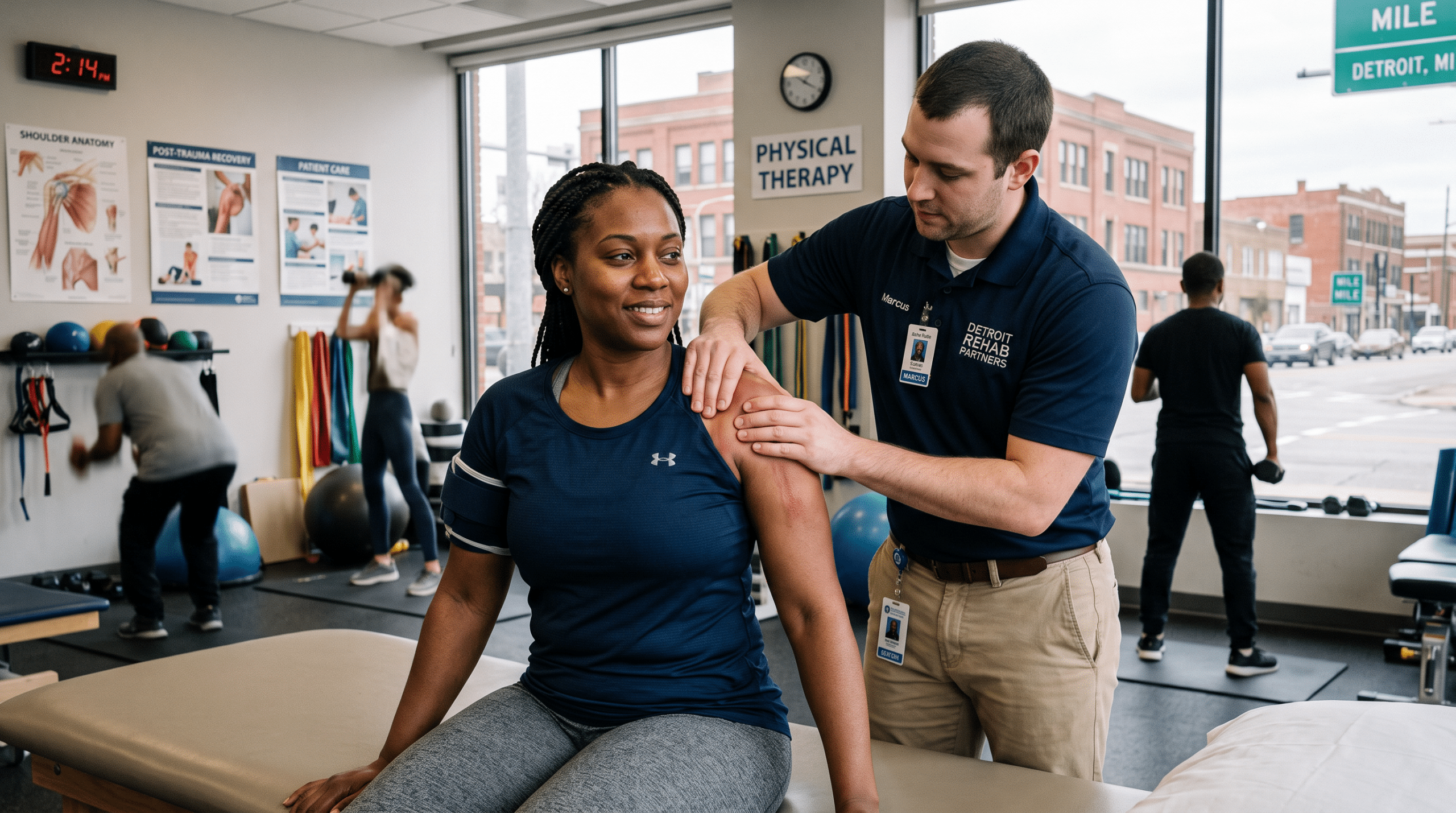
Shoulder pain does not always begin at the moment of a car accident. Some people leave the scene feeling shaken but relatively unharmed, only to wake up the next morning with stiffness, weakness, or sharp pain when lifting an arm. Other symptoms may develop gradually over several days as swelling increases and damaged tissues become irritated. A delayed onset does not mean that the injury is minor or unrelated to the collision. It does, however, make prompt medical evaluation and careful documentation especially important.
We deal with cases involving shoulder injuries that were not obvious right after the motor vehicle accidents that took place in Detroit. The claims may be contested if the insurance company claims that the delay in treatment breaks the link between the accident and the medical condition. In order to demonstrate what actually occurred and the way the injury has impacted our client’s life, we look at the details of the crash, the medical findings, the client’s previous health history, and the progression of their symptoms.
Why Shoulder Pain May Be Delayed After A Crash
A crash can cause the shoulder to be moved beyond its normal range of motion. It is possible for a seat belt to hold one side of the upper body in place while the torso moves in a different direction. The driver might hold on tightly to the steering wheel before the collision occurs, or a passenger could brace themselves against the dashboard, the door, or the seat. Such movements can strain the muscles, tear the tendons, injure the cartilage, or worsen a condition which had previously caused only minor or no difficulties.
Adrenaline can temporarily reduce a person’s awareness of pain after a frightening event. Inflammation may also take time to build around an injured joint. A person may therefore feel soreness rather than severe pain at first, followed by increasing symptoms after sleeping, returning to work, or attempting ordinary household tasks.
Shoulder Injuries Associated With Car Accidents
Shoulder pain that occurs later on can be due to a sprain, a muscle strain, an injury to the rotator cuff, a labral tear, dislocation, a fracture, nerve damage, or injury to the acromioclavicular joint. It is also possible for the pain to start in the neck and then spread into the shoulder or arm. It is important to make an accurate diagnosis since different injuries can cause similar symptoms but need very different treatments.
We encourage injured people to describe every symptom to the treating provider, including weakness, numbness, clicking, swelling, reduced motion, and pain that worsens at night. A physical examination may be followed by X-rays, an MRI, or other diagnostic testing. Treatment may include medication, physical therapy, injections, activity restrictions, or surgery when conservative care does not resolve the condition.
Michigan No-Fault Benefits For Shoulder Treatment
Michigan personal protection insurance benefits may apply when a shoulder injury arises from the ownership, operation, maintenance, or use of a motor vehicle as a motor vehicle. Under MCL 500.3105, an insurer may be responsible for accidental bodily injury arising from the use of a motor vehicle. Under MCL 500.3107, available personal protection insurance benefits may include reasonable charges for reasonably necessary medical care, rehabilitation, and other qualifying services.
A shoulder injury may also keep an injured person from working or handling ordinary household responsibilities. Depending on the policy, applicable coverage, and supporting documentation, Michigan no-fault benefits may include limited work-loss benefits and replacement-service expenses. We review the insurance policies and claim history because the available benefits can differ based on the coverage selected and the facts of the accident.
Proving That Delayed Pain Came From The Accident
The insurance company may claim that delayed pain was caused by work, exercise, age-related degeneration, or a prior shoulder condition. We address that argument through evidence rather than assumptions. Medical records showing when the symptoms began, how they progressed, and what the diagnostic testing revealed can provide strong support for causation.
The condition of the vehicles, the direction of impact, the position of the occupant, and the use of the seat belt may also help explain the injury mechanism. Statements from family members or coworkers can document changes in strength, movement, sleep, and daily activity after the collision. When a prior condition existed, we compare the person’s functioning before and after the crash. An accident may support a claim when it aggravates or worsens an existing problem, even if the shoulder was not medically perfect before the collision.
When Shoulder Pain Supports A Claim Against The At-Fault Driver
Michigan’s no-fault system limits when an injured person may recover noneconomic damages from an at-fault driver. Under MCL 500.3135, a person may pursue compensation for pain and suffering when the accident causes death, permanent serious disfigurement, or a serious impairment of body function.
A serious impairment must be objectively manifested, involve an important body function, and affect the injured person’s general ability to lead a normal life. A significant shoulder injury may satisfy this standard when it interferes with lifting, reaching, driving, dressing, sleeping, working, caring for children, or participating in ordinary activities. The analysis is personal. We compare the injured person’s life before and after the crash rather than relying only on the name of the diagnosis.
Comparative Fault And Shoulder Injury Compensation
Insurance carriers may attempt to reduce a claim by assigning part of the responsibility for the crash to the injured person. Under MCL 600.2959, damages are generally reduced according to the injured person’s percentage of comparative fault. A person who is more than 50 percent at fault is barred from recovering noneconomic damages.
We investigate disputed fault through photographs, police reports, witness accounts, video recordings, electronic vehicle information, and other available evidence. Accepting an insurer’s version of the collision without an independent review can reduce the value of an otherwise valid shoulder injury claim.
Deadlines That Can Affect A Michigan Claim
Most Michigan actions seeking damages for personal injury are subject to a three-year limitation period under MCL 600.5805. No-fault benefit disputes are governed by separate rules under MCL 500.3145, including restrictions on recovering losses incurred before an action is filed. Claims involving governmental vehicles or public agencies may carry shorter notice requirements.
We do not advise waiting for shoulder pain to become unbearable before addressing the legal issues. Early action gives us a better opportunity to preserve evidence, obtain medical documentation, identify all available insurance coverage, and meet every applicable deadline.
Building The Full Value Of A Shoulder Injury Claim
A fair claim should account for more than the cost of the first medical visit. Shoulder damage may require months of therapy, time away from employment, injections, surgical repair, and postoperative rehabilitation. Some injured people continue to experience weakness, limited motion, sleep disruption, or permanent restrictions after treatment ends.
We document the full effect of the injury through medical records, employment information, testimony about daily limitations, and opinions concerning future care. We also consider whether the injury has reduced earning ability or prevented the person from returning to the same occupation. A complete damages assessment helps prevent a settlement from being based on an incomplete view of the medical consequences.
FAQs About Delayed Shoulder Pain After A Car Accident
Can Shoulder Pain Begin Several Days After A Michigan Car Accident?
Yes. Stress hormones can mask pain immediately after a collision, while swelling and inflammation may increase over the following hours or days. Rotator cuff injuries, strains, labral damage, and nerve irritation can become more noticeable when an injured person returns to work or attempts normal activities. We recommend seeking medical care as soon as pain, weakness, numbness, or limited movement develops. A prompt evaluation can identify an injury that was not obvious at the scene and create a medical record connecting the symptoms to the collision.
Will Delayed Medical Treatment Ruin A Shoulder Injury Claim?
Not necessarily, but a substantial unexplained delay can give the insurance company an argument against causation. We look at why treatment was delayed, when symptoms first appeared, whether the person reported those symptoms consistently, and what the medical testing shows. A person may reasonably believe that initial soreness will improve without treatment. Once the pain persists or worsens, obtaining care and following medical recommendations can help protect both physical recovery and the legal claim.
What If The Insurance Company Blames A Pre-Existing Shoulder Condition?
A prior condition does not automatically defeat a claim. A collision can aggravate arthritis, worsen an existing tear, or turn a manageable condition into a painful limitation requiring additional treatment. We compare earlier medical records and activity levels with the symptoms, diagnostic findings, and restrictions that followed the crash. The central issue is whether the accident caused a new injury or materially worsened an existing one.
Can We Recover Pain And Suffering Damages For A Shoulder Injury?
We may seek pain and suffering damages from an at-fault driver when the injury meets the threshold stated in MCL 500.3135. A shoulder condition may qualify when objective medical findings show an impairment that affects an important body function and changes the person’s general ability to lead a normal life. Surgery is not always required, but the diagnosis, duration, treatment, restrictions, and effect on everyday activities all matter.
What Compensation May Be Available For A Serious Shoulder Injury?
Available compensation depends on the insurance coverage, fault, medical evidence, and long-term effects of the injury. A claim may involve no-fault benefits for qualifying medical care, wage loss, rehabilitation, and replacement services. A claim against the negligent driver may seek noneconomic damages and certain economic losses that are legally recoverable outside the no-fault system. We calculate damages by considering past losses as well as reasonably supported future treatment, reduced earning capacity, pain, and physical limitations.
Speak With Ravid & Associates, P.C. About Your Shoulder Injury Claim
Delayed shoulder pain can interfere with work, sleep, driving, and basic daily activity. It can also create difficult disputes when an insurer questions why the symptoms were not reported immediately. We investigate the collision, review the medical evidence, identify available insurance benefits, and pursue compensation from every responsible source. Ravid & Associates, P.C. represents people with serious accident injuries and works to hold negligent drivers and insurance companies accountable under Michigan law.
If shoulder pain developed after a Michigan car accident, call our Detroit motor vehicle accident lawyers at Ravid & Associates, P.C. today by calling (248) 948-9696 to receive your free consultation. We represent injured people in Detroit and throughout the entire state of Michigan from our office locations in Southfield, Michigan. We can review the accident, explain the available claims, and take action to protect the right to compensation.

