
Concussion Symptoms That May Not Appear Until Days After A Car Accident
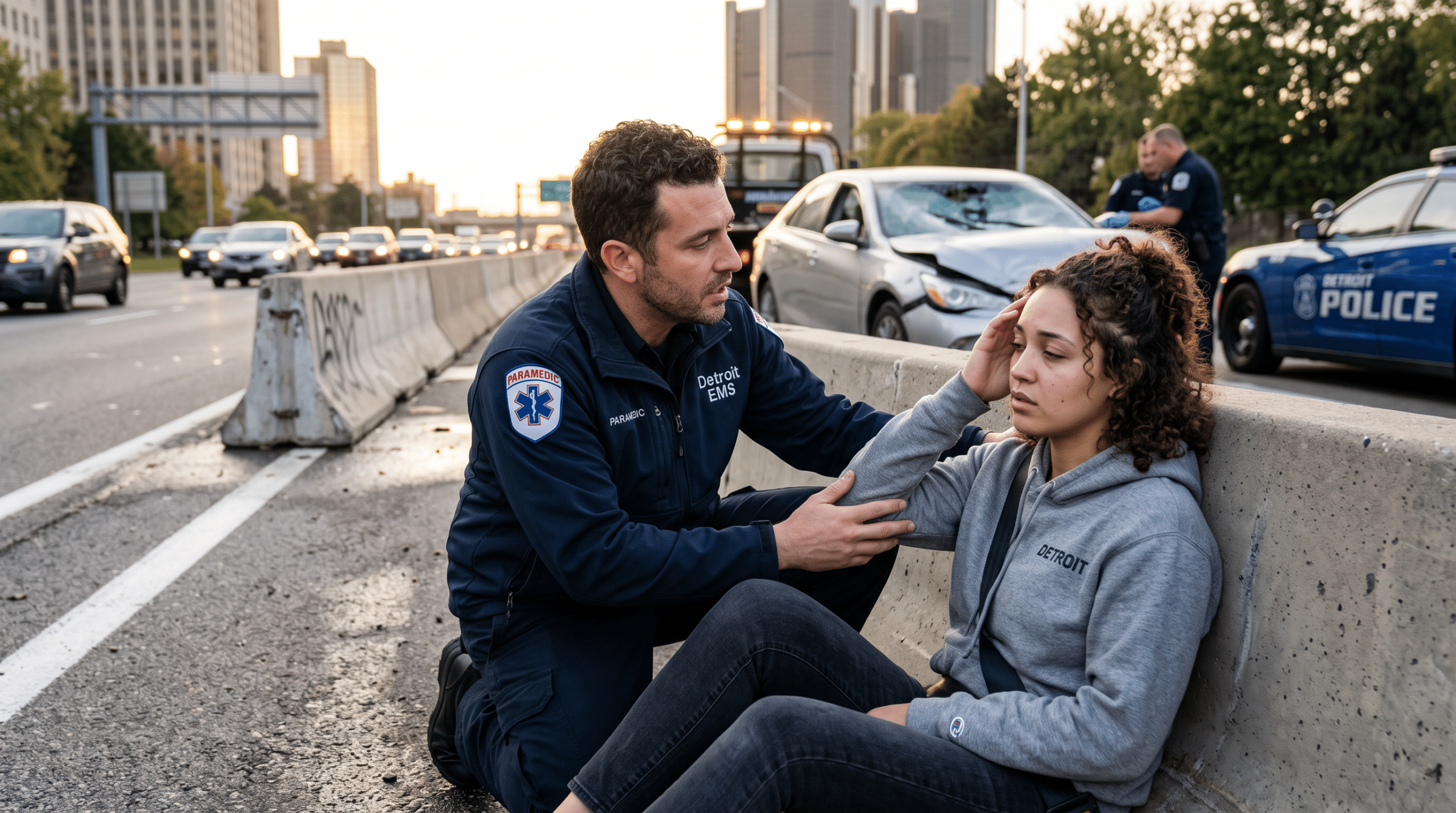
Not every concussion causes immediate and obvious symptoms. After a car accident, many people leave the scene believing they escaped with only minor aches and pains. Hours or even several days later, they begin experiencing headaches, dizziness, memory problems, or difficulty concentrating. These delayed symptoms are common because the brain’s response to trauma is not always immediate. When a concussion is left untreated, the condition can worsen and interfere with nearly every aspect of daily life. Michigan law allows injured victims to pursue compensation for concussion-related injuries, but prompt medical care and proper documentation are essential to protecting both health and legal rights.
We help people across Detroit who have suffered brain injuries in car accidents. Even a “mild” traumatic brain injury can have long-term effects. Insurance companies may doubt delayed concussion symptoms, so it is important to keep strong medical and legal records from the start.
Why Concussion Symptoms May Be Delayed
A concussion occurs when the brain is suddenly jolted inside the skull. This commonly happens during rear-end collisions, head-on crashes, side-impact accidents, and rollover collisions. Even without striking the head, the rapid forward-and-backward motion of the neck can cause the brain to move forcefully within the skull.
Right after an accident, adrenaline and shock can hide symptoms for a while. As your body calms down, inflammation can develop and affect brain function. That is why concussion symptoms often show up hours or even days after the crash.
A delayed diagnosis does not mean the injury is not serious. Often, symptoms can get worse if you do not get checked and treated by a doctor.
Common Delayed Concussion Symptoms After A Michigan Car Accident
Concussion symptoms are different for everyone. Some people have physical problems, while others notice changes in thinking, memory, mood, or sleep.
Common delayed symptoms include:
- Persistent headaches
- Dizziness or balance problems
- Blurred vision
- Nausea
- Sensitivity to light or noise
- Difficulty concentrating
- Memory loss
- Confusion
- Slower thinking
- Fatigue
- Irritability
- Anxiety
- Depression
- Sleep disturbances
Any of these symptoms should be evaluated by a medical professional as soon as possible. Early diagnosis often improves recovery and creates important medical documentation linking the injury to the accident.
Why Prompt Medical Care Matters
Many concussion victims delay treatment because they assume their symptoms will improve on their own. Unfortunately, waiting can create medical complications while also allowing insurance companies to question whether the accident caused the injury.
Medical providers may recommend neurological evaluations, imaging studies when appropriate, cognitive testing, vestibular therapy, occupational therapy, or follow-up care with specialists.
Consistent treatment also creates a detailed medical record documenting how the concussion affects daily activities, employment, and overall quality of life.
Michigan No-Fault Benefits For Concussion Injuries
Michigan’s No-Fault Insurance Act, MCL 500.3101, provides important protections for individuals injured in motor vehicle accidents.
Depending on the applicable insurance coverage, Personal Injury Protection (PIP) benefits may provide payment for:
- Emergency medical treatment
- Hospital care
- Neurological evaluations
- Cognitive rehabilitation
- Prescription medications
- Physical therapy
- Occupational therapy
- Wage loss benefits
- Replacement services
- Attendant care when medically necessary
These benefits may be available regardless of who caused the accident.
When A Concussion May Support A Personal Injury Lawsuit
Michigan law also allows injured individuals to pursue compensation against the at-fault driver when the injury satisfies the threshold established under MCL 500.3135.
To recover noneconomic damages such as pain and suffering, the injured person generally must establish one of the following death, permanent serious disfigurement, and serious impairment of body function.
A concussion may satisfy the serious impairment threshold when it affects important aspects of a person’s life, including work, school, memory, communication, driving, or routine daily activities.
Each case depends on its own facts, medical evidence, and the extent to which the injury affects the injured person’s normal life.
Insurance Companies Often Dispute Brain Injury Claims
Unlike broken bones, concussions cannot always be confirmed through traditional imaging. Insurance companies sometimes argue that delayed symptoms are unrelated to the accident or that the victim is exaggerating the effects of the injury.
We work to establish the connection between the collision and the concussion through medical records, treating physician opinions, neurological evaluations, witness testimony, employment records, and other supporting evidence.
Building a well-documented case helps demonstrate the true impact the concussion has had on the injured person’s life.
Long-Term Effects Of A Car Accident Concussion
While many individuals recover within several weeks, others continue experiencing symptoms for months or years.
Long-term complications may include chronic headaches, persistent dizziness, memory problems, difficulty focusing, emotional changes, reduced work performance, increased sensitivity to light and sound, and sleep disorders.
These ongoing symptoms may significantly affect earning capacity, family relationships, and overall quality of life. Future medical treatment and rehabilitation should also be considered when evaluating the value of an injury claim.
Protecting Your Rights After A Delayed Concussion Diagnosis
A delayed concussion diagnosis does not prevent you from pursuing compensation. However, protecting your claim requires prompt medical attention once symptoms appear, consistent treatment, and careful documentation of how the injury affects your daily life.
The sooner evidence is preserved and medical care begins, the stronger the legal claim may become.
FAQs About Concussion Symptoms That May Not Appear Until Days After A Car Accident
Can A Concussion Really Show Up Days After A Car Accident?
Yes. It is common for concussion symptoms to develop several hours or even several days after a collision. Adrenaline and shock may initially mask symptoms, while inflammation and changes in brain function develop gradually. Delayed symptoms should always be evaluated by a medical professional.
What Should I Do If I Develop Headaches Or Dizziness Days After My Accident?
You should seek medical attention immediately. Headaches, dizziness, confusion, memory problems, or balance issues may indicate a concussion or another traumatic brain injury. Prompt evaluation protects both your health and your legal claim by creating medical documentation connecting the injury to the accident.
Will Michigan No-Fault Insurance Pay For Concussion Treatment?
In many cases, yes. Under Michigan’s No-Fault Act, Personal Injury Protection benefits may cover necessary medical treatment related to the concussion, including hospital care, neurological evaluations, therapy, rehabilitation, and wage loss benefits, depending on the available coverage.
Can I Recover Pain And Suffering Damages For A Concussion?
Possibly. Under MCL 500.3135, you may pursue noneconomic damages if the concussion constitutes a serious impairment of body function. Whether the legal threshold has been satisfied depends on how the injury affects your ability to live your normal life.
Why Do Insurance Companies Challenge Concussion Claims?
Brain injuries are often more difficult to prove than fractures or visible injuries. Insurance companies may argue that symptoms are subjective, delayed, or unrelated to the collision. Medical records, neurological testing, and consistent treatment frequently become important evidence in overcoming these arguments.
How Long Can Concussion Symptoms Last After A Car Accident?
Recovery varies widely. Some individuals improve within a few weeks, while others experience symptoms for months or even years. The severity of the injury, the individual’s overall health, and the effectiveness of treatment all influence recovery.
Should I Talk To An Attorney If My Concussion Was Not Diagnosed Until Days After The Accident?
Yes. Delayed concussion diagnoses often require additional medical evidence to establish that the accident caused the injury. An attorney can help preserve evidence, work with your medical providers, address insurance company disputes, and pursue the compensation available under Michigan law.
Speak To Ravid & Associates, P.C. About Your Michigan Concussion Injury Claim
A concussion can affect your health, your career, and your family long after the accident is over. When symptoms appear days after a collision, insurance companies may try to minimize the seriousness of the injury. We work to protect our clients by building strong cases supported by medical evidence and pursuing the compensation Michigan law allows.
If you developed concussion symptoms after a Michigan car accident, contact our Detroit car accident attorneys at Ravid & Associates, P.C. today by calling (248) 948-9696 to receive your free consultation. We represent injured clients in Detroit and throughout the entire state of Michigan from our office locations in Southfield, Michigan. We are ready to explain your legal options and help you pursue the financial recovery you deserve.

