
Common Injuries from Detroit Highway Crashes
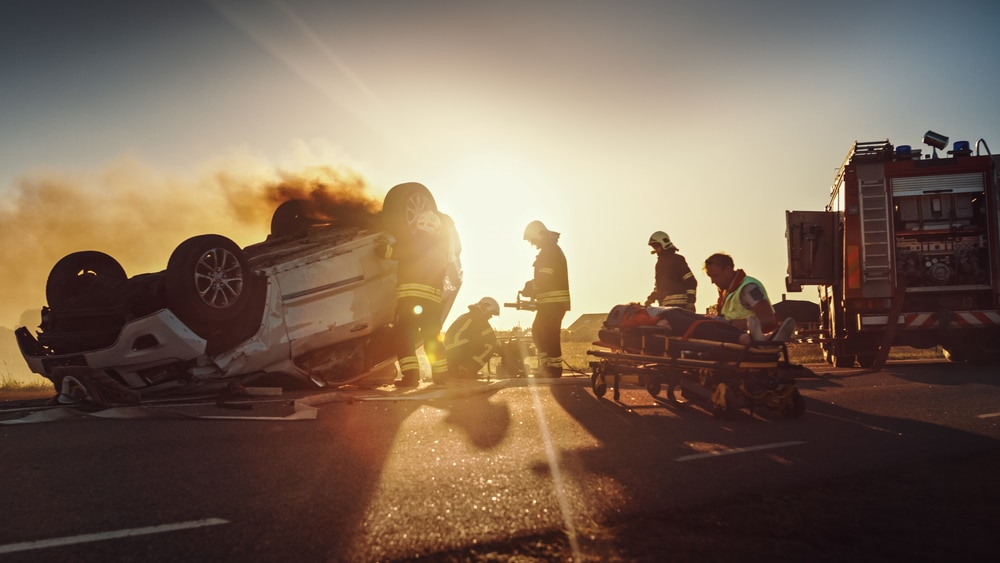
What Michigan Drivers and Victims Need to Know About Accident Injuries
Highway crashes are an unfortunate reality in Detroit, and understanding the common injuries that result from these accidents is vital for drivers, pedestrians, and victims alike. Common injuries from Detroit highway crashes can range from minor bruises to life-altering conditions like traumatic brain injuries or spinal damage. With thousands of accidents reported annually, it’s crucial to know what types of injuries are prevalent and how they impact recovery. This awareness not only helps individuals take preventive measures but also ensures they seek appropriate medical care after an accident.
Below we will explore recent crash statistics, dangerous locations on Detroit highways, contributing factors to injuries, and the most frequent types of harm sustained. Additionally, we’ll cover long-term effects, legal considerations, and steps you can take to protect yourself and your loved ones. By the end, you’ll have a comprehensive understanding of how to respond effectively if you’re ever involved in a highway crash in Detroit.
Detroit Highway Crash Statistics
In recent years, Detroit has consistently ranked high in traffic-related accidents across the United States. According to available data, there were approximately 24,344 traffic accidents in 2023 alone, resulting in nearly 8,700 injuries and over 100 fatalities. These numbers highlight the alarming frequency of collisions and underscore the need for increased safety measures. The rise in distracted driving, speeding, and other reckless behaviors has contributed significantly to this trend, making highways particularly hazardous.
When comparing Detroit’s crash rates to those of other major cities, it becomes evident that the city faces unique challenges. For instance, Detroit ranks at the top for per capita crash deaths and pedestrian fatalities. Factors such as aging infrastructure, heavy traffic congestion, and limited public transportation options exacerbate the problem. Understanding these trends is essential for both residents and visitors navigating Detroit’s roadways.
Most Dangerous Locations for Highway Crashes in Detroit
Certain intersections and roadways in Detroit are notorious for their high crash rates. One example is Livernois Ave. and Davison St., which is considered the most hazardous intersection due to frequent rear-end and T-bone collisions. Other problematic areas include sections of I-75 and I-94, where multi-car pileups often occur during peak hours. These locations account for a significant percentage of the city’s total highway crashes each year.
The reasons behind these elevated crash rates vary but often involve poor road design, inadequate signage, and excessive traffic volume. Limited visibility at night or during inclement weather further compounds the issue. Addressing these problems requires collaboration between city planners, law enforcement, and community members to implement safer infrastructure and enforce stricter traffic regulations.
Factors Contributing to Highway Crash Injuries
Several factors contribute to the prevalence of injuries in Detroit highway crashes. Speeding remains one of the leading causes, with fatalities related to excessive speed reaching a 10-year high in 2022. Distracted driving—such as texting or eating while behind the wheel—is another major culprit. Impaired driving and adverse weather conditions also play significant roles in increasing the likelihood of severe injuries.
“In 2023, there were approximately 24,344 traffic accidents across Detroit, resulting in almost 8700 injuries and 130 fatalities. Over 6,600 of these crashes (more than 25%) were rear-end collisions.” -Leefree
Environmental hazards like potholes, poorly maintained roads, and lack of proper lighting further elevate risks. Behavioral issues such as aggressive driving and failure to yield are frequently cited in accident reports. Recognizing these risk factors allows drivers to adopt safer habits and encourages policymakers to prioritize improvements in road safety.
“The report states that about 108 people died in traffic crashes annually in Detroit between 2017 and 2021. The fatal wreck average in Detroit continued to rise steadily and climbed significantly during the pandemic, outpacing many other large cities.” -Ravid & Associates
Most Common Types of Injuries in Detroit Highway Crashes
Traumatic Brain Injuries (TBIs)
Traumatic brain injuries (TBIs) are among the most serious outcomes of highway crashes in Detroit. These injuries often result from sudden impacts causing concussions or more severe brain trauma. TBIs can lead to long-term cognitive impairments, memory loss, and even permanent disabilities. Given their severity, immediate medical attention is critical for anyone suspected of sustaining a head injury.
Whiplash and Soft Tissue Injuries
Whiplash and other soft tissue injuries are incredibly common in highway crashes. These typically occur when the body is jolted violently, straining muscles, ligaments, and tendons. Symptoms may include stiffness, pain, and reduced mobility, often surfacing days after the accident. While less severe than TBIs, these injuries still require proper diagnosis and treatment to prevent chronic issues.
“Crashes involving drivers whose speed is too fast for the road condition increased 4% for a second year in a row.” -ClickOnDetroit
Bone Fractures and Broken Bones
Bone fractures are another frequent consequence of highway collisions, affecting arms, legs, ribs, and other parts of the body. High-speed impacts or being ejected from a vehicle can cause bones to break under immense pressure. Recovery times vary depending on the severity of the fracture, but prompt medical intervention is essential to ensure proper healing and minimize complications.
Spinal Cord and Back Injuries
Spinal cord and back injuries are particularly debilitating, often resulting in herniated discs, nerve damage, or even paralysis. These injuries occur when the spine is subjected to extreme force during a crash. Chronic pain and mobility limitations are common outcomes, necessitating extensive rehabilitation and ongoing care. Victims should consult specialists to explore treatment options tailored to their specific needs.
Internal Injuries
Blunt-force trauma during highway crashes can lead to internal injuries involving vital organs like the lungs, liver, and spleen. These injuries may not be immediately apparent, making them especially dangerous. Symptoms such as abdominal pain, difficulty breathing, or dizziness should never be ignored, as untreated internal injuries can become life-threatening.
Facial and Dental Injuries
Facial and dental injuries are also prevalent in Detroit highway crashes, often caused by airbag deployment or impact with objects inside the vehicle. Fractured jaws, broken teeth, and eye trauma are examples of these painful and disfiguring injuries. Proper protective gear, such as helmets for motorcyclists, can help reduce the risk of facial harm.
Special Considerations: Injuries to Pedestrians and Cyclists
Pedestrians and cyclists are particularly vulnerable in highway crashes due to their lack of protection compared to drivers. In Detroit, pedestrian death rates rank among the highest in the nation, with many incidents occurring near busy intersections or poorly lit areas. Cyclists face similar dangers, especially when sharing lanes with fast-moving vehicles.
These groups experience higher rates of severe injuries because they absorb the full impact of a collision without any buffer. To mitigate risks, pedestrians and cyclists must remain vigilant, use designated crosswalks, and wear reflective clothing. City officials must also invest in better infrastructure, such as bike lanes and pedestrian-friendly crossings, to enhance safety.
Seat Belt, Airbag, and Child Restraint Injuries
While seat belts and airbags save countless lives, they can sometimes cause injuries during a crash. Seat belts may lead to bruising or broken collarbones due to the force exerted during sudden stops. Similarly, airbags deploy with tremendous power, potentially causing facial trauma or burns. Despite these risks, using these safety devices drastically reduces the likelihood of fatal outcomes.
“49.15 percent were male, and 50.72 percent were female. 19.83 percent of injuries were in age group 25-34. 68.75 percent of injuries were reported as the driver.” -Michigan State Police
Child restraints, though designed for safety, must be used correctly to avoid harm. Parents should ensure car seats are properly installed and suited to their child’s age and size. Educating the public about the dual nature of these safety features promotes better usage and minimizes associated risks.
Long-Term Effects and Treatment of Common Injuries
Many victims of Detroit highway crashes face long-term complications, including chronic pain, disability, and psychological effects like PTSD. Even seemingly minor injuries can develop into persistent health issues if left untreated. Seeking timely medical care is crucial to addressing hidden symptoms and preventing further damage.
Treatment options vary based on the type and severity of the injury. Physical therapy, chiropractic care, and surgical interventions are common approaches to aid recovery. Victims should work closely with healthcare providers to create personalized rehabilitation plans and explore all available resources, including those offered by organizations like Ravid & Associates.
Legal Considerations After Sustaining Injuries in a Detroit Highway Crash
After sustaining injuries in a highway crash, victims should prioritize seeking medical attention and documenting the incident thoroughly. Collecting evidence, such as photos of the scene and witness statements, strengthens potential legal claims. Consulting with a qualified attorney early in the process ensures that victims understand their rights and receive fair compensation for damages.
Hiring a Detroit auto accident attorney from firms like Ravid & Associates can make a significant difference in securing the financial support needed for recovery. Attorneys guide clients through complex legal procedures, negotiate with insurance companies, and advocate for maximum benefits. Their expertise is invaluable in navigating the aftermath of a crash.
Preventative Measures: Reducing Injury Risk on Detroit Highways
To reduce injury risks, drivers should practice defensive driving techniques, avoid distractions, and adhere to speed limits. Regular vehicle maintenance, such as checking brakes and tires, enhances safety. Pedestrians and cyclists should wear bright clothing, stay alert, and utilize designated paths whenever possible.
City officials and law enforcement play a pivotal role in reducing accidents by improving road infrastructure, enforcing traffic laws, and promoting awareness campaigns. Collaborative efforts between communities and authorities create a safer environment for everyone sharing Detroit’s highways.
Frequently Asked Questions about Common Injuries from Detroit Highway Crashes
What are the most frequent injuries in Detroit highway crashes?
The most common injuries include whiplash, traumatic brain injuries, bone fractures, and soft tissue damage. Each type varies in severity and requires specific treatments.
Which Detroit highways and intersections have the highest injury rates?
Intersections like Livernois Ave. and Davison St., along with sections of I-75 and I-94, are known for frequent and severe crashes.
Are seat belt and airbag injuries common in Detroit crashes?
While rare, seat belt and airbag injuries do occur, often manifesting as bruises or fractures caused by deployment forces.
What should I do if I believe I am injured after a car crash?
Seek immediate medical evaluation, document the incident, and consult with a local car accident lawyer to protect your rights and pursue compensation.
How long can recovery take for common crash injuries?
Recovery timelines depend on the injury but can range from weeks for minor cases to months or years for severe conditions like spinal injuries.
Contact Our Detroit Car Accident Lawyers
Understanding the common injuries from Detroit highway crashes empowers individuals to take proactive steps toward safety and recovery. From recognizing high-risk areas to knowing how to respond after an accident, this knowledge is invaluable for anyone navigating the city’s roads. Awareness of these risks fosters a culture of responsibility and preparedness.
If you or someone you know has been injured in a highway crash, don’t hesitate to seek medical attention and consult with professionals who specialize in auto accident cases. Firms like Ravid & Associates offer expert guidance to help victims secure the compensation and care they deserve. Stay informed, stay cautious, and prioritize your well-being on Detroit’s highways.
At Ravid & Associates, P.C., we combine aggressive legal strategy with the personal attention large law firms cannot match. Our office, located in Southfield, Michigan, proudly represents car accident victims across Detroit and throughout the entire state.
Call our Detroit car accident attorney at Ravid & Associates, P.C. today at (248) 948-9696 to receive your free consultation. Discover how a dedicated, client-focused law firm can deliver powerful results without treating clients like numbers.

