
Can I Get A Larger Settlement If The At-Fault Driver Was Drunk?
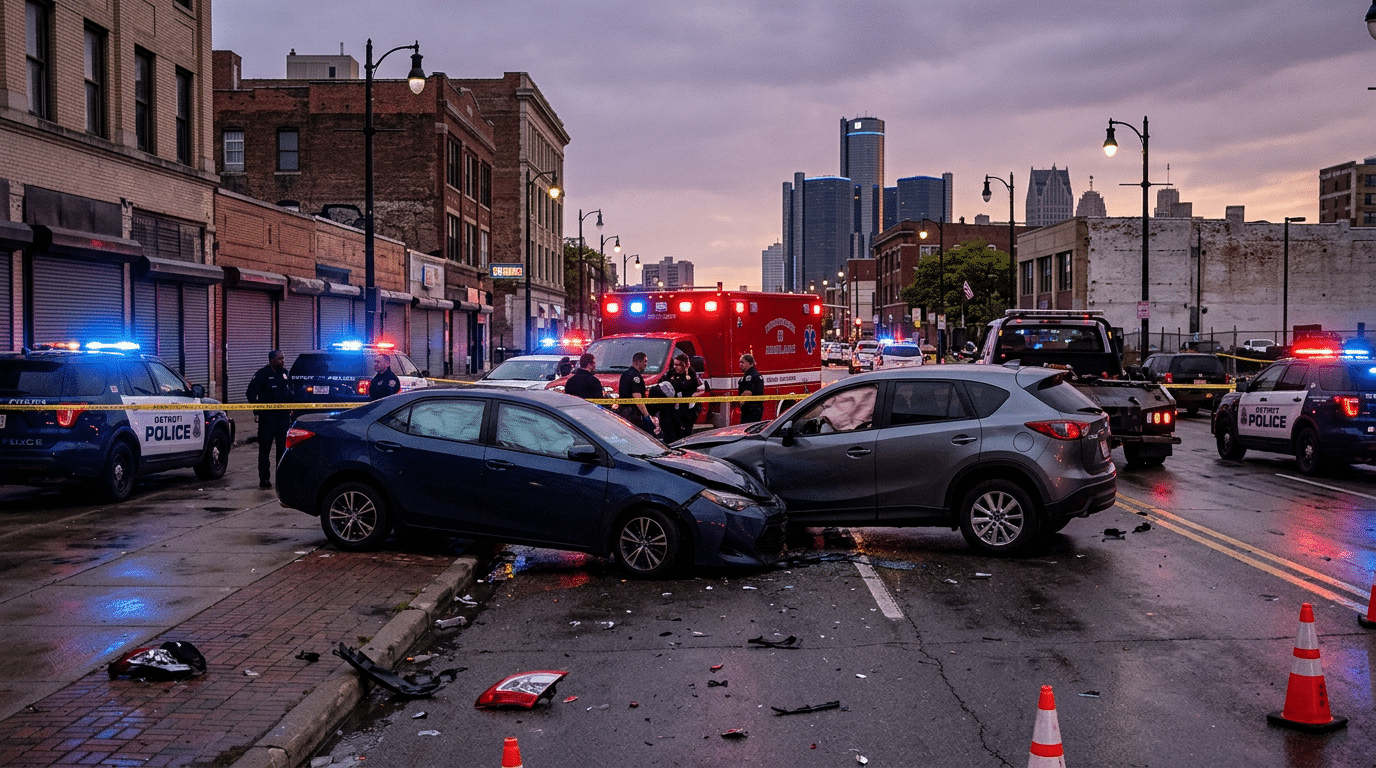
Being injured by a drunk driver often feels fundamentally different from being hurt in an ordinary traffic accident. The driver did not simply make a momentary mistake. That person may have chosen to drive after drinking enough alcohol to impair the ability to operate a vehicle safely. When we represent someone injured by an intoxicated driver, evidence of alcohol use can become an important part of proving fault and evaluating the claim. However, Michigan law does not automatically multiply an injury settlement simply because the at-fault driver was drunk.
A drunk-driving case in Detroit may still be worth substantially more than a routine accident claim, but usually because of the injuries, available damages, strength of the liability evidence, and potentially additional responsible parties. We look at all of those factors before determining what compensation should be pursued.
Drunk Driving Can Provide Powerful Evidence Of Negligence
Michigan law prohibits operating a motor vehicle while intoxicated. Under MCL 257.625, a person may be considered operating while intoxicated when the person is under the influence of alcohol, has an unlawful bodily alcohol content, or is impaired by alcohol or certain controlled substances.
When a driver violates Michigan’s intoxicated-driving law and causes a collision, evidence from the criminal investigation can become important in the civil injury case. We may examine the driver’s blood alcohol concentration, breath or blood testing, police body-camera footage, field sobriety testing, witness observations, admissions by the driver, and the circumstances surrounding the arrest.
That evidence can make it considerably harder for an insurance carrier to argue that its insured acted reasonably.
Does Drunk Driving Automatically Increase A Michigan Settlement?
No. Michigan does not have a rule stating that an injury victim receives a specific percentage more simply because the defendant was intoxicated.
The value of the case still depends heavily on the damages the collision caused. A drunk driver who causes a relatively minor injury does not automatically create a million-dollar claim. On the other hand, when intoxicated driving causes fractures, traumatic brain injuries, spinal injuries, permanent impairment, lost earning capacity, or catastrophic medical expenses, the potential recovery can be substantial.
The driver’s conduct may also affect how an insurer evaluates litigation risk. Strong evidence that its insured was intoxicated can weaken liability defenses and may create additional pressure to resolve a serious injury case rather than take the facts before a jury. That does not guarantee a higher offer, but it can materially affect settlement negotiations.
Pain And Suffering Damages Still Depend On Michigan’s Injury Threshold
Michigan’s automobile No-Fault Act controls when an injured person may recover noneconomic damages from an at-fault driver.
Under MCL 500.3135, a person may pursue noneconomic damages when the crash causes death, permanent serious disfigurement, or a serious impairment of body function. The statute defines serious impairment using factors that include an objectively manifested impairment of an important body function that affects the person’s general ability to lead a normal life.
For that reason, we still must establish the nature and consequences of the injury even when intoxication is undisputed. Evidence that the driver was drunk helps establish wrongdoing, but the medical evidence establishes the damage that wrongdoing caused.
Michigan Generally Does Not Award Punitive Damages Just To Punish A Drunk Driver
This is one of the most important distinctions in these cases.
Unlike some states, Michigan generally does not permit punitive damages merely to punish a defendant for wrongful conduct. Michigan appellate authority recognizes that punitive damages designed solely to punish misconduct are generally unavailable unless authorized by statute. Michigan does recognize limited exemplary damages in certain circumstances, but those damages serve a compensatory rather than purely punitive purpose.
Therefore, we would not tell an injured client that a drunk-driving accident automatically entitles the client to punitive damages. Instead, we evaluate the actual compensatory damages available and determine whether the facts support any additional legally recognized theory of recovery.
A Bar Or Restaurant Could Potentially Create Another Source Of Recovery
Some drunk-driving cases involve more than the driver.
Michigan’s dram shop law, MCL 436.1801, may permit an injured person to pursue a claim against a licensed alcohol retailer in qualifying circumstances. The statute prohibits a licensed retailer from selling, furnishing, or giving alcohol to a visibly intoxicated person and provides a statutory cause of action under specified conditions.
Suppose a driver spent several hours drinking at a bar, was visibly intoxicated, continued being served, left the establishment, and caused a severe collision shortly afterward. We would investigate whether evidence supports a claim against the establishment in addition to the driver.
These cases have special statutory requirements and should be investigated promptly. Receipts, surveillance video, credit-card records, witnesses, employees, and alcohol-service records can disappear with time.
Comparative Fault Can Still Affect Compensation
The other driver’s intoxication does not eliminate Michigan’s comparative-fault rules.
Under MCL 600.2959, damages are reduced according to the injured person’s percentage of comparative fault. Michigan’s auto liability statute also provides that noneconomic damages generally cannot be assessed in favor of a person who is more than 50 percent at fault.
An insurance carrier could therefore argue that an injured motorist was speeding, ran a traffic signal, made an unsafe lane change, or otherwise contributed to the collision.
We do not assume intoxication ends the liability investigation. We gather the evidence necessary to establish precisely how the crash happened.
What Can Increase The Value Of A Drunk-Driving Injury Claim?
Several factors can substantially affect what a drunk-driving accident case is worth. We examine the severity and permanence of the injuries, medical treatment and anticipated future care, lost income, diminished earning capacity, physical limitations, pain and suffering, comparative fault, available insurance coverage, and whether another legally responsible party can be identified.
We also move quickly to preserve evidence of intoxication. Police reports alone may not tell the complete story. Blood or breath testing, video recordings, witness testimony, bar receipts, vehicle data, and criminal court records may provide considerably stronger proof.
Talk To Ravid & Associates, P.C. About You Drunk-Driving Injury Claim
When an intoxicated driver causes a serious collision, we investigate much more than the basic accident report. We look at the driver’s alcohol consumption, available criminal evidence, insurance coverage, medical consequences of the crash, and whether a bar, restaurant, or other party may also bear responsibility. Our objective is to identify every legitimate source of compensation and build the evidence needed to pursue the full value of the claim.
If you were injured by a drunk driver in Detroit or anywhere in Michigan, contact our Detroit car accident attorneys at Ravid & Associates, P.C. today by calling (248) 948-9696 to receive your free consultation. We represent injured clients in Detroit and throughout the entire state of Michigan from our office locations in Southfield, Michigan. We can review what happened, determine which insurance policies and responsible parties may apply, and pursue the compensation Michigan law allows.

