
Can Children Recover Compensation If A Parent Is Killed While Walking?
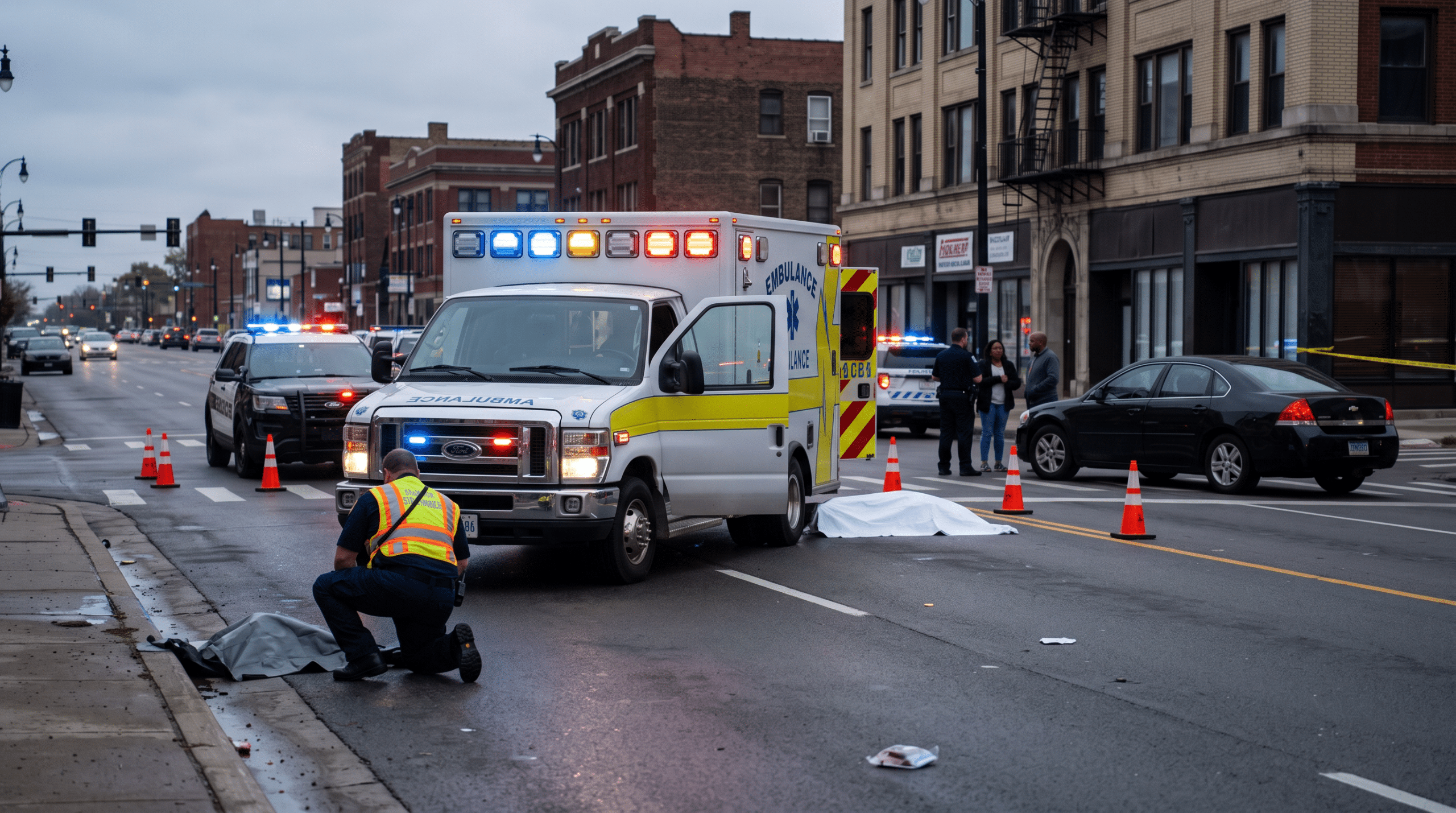
When a parent is killed in a pedestrian accident, children lose much more than just their loved one. A parent often provides income, care, transportation, guidance, emotional support, and a sense of security that cannot be replaced. In Michigan, if a driver is responsible for a fatal pedestrian accident, the children may have rights under the Michigan Wrongful Death Act. Compensation can help with both financial losses and the loss of the parent-child relationship. We guide families through who can bring a claim, what damages may be available, and how to protect any settlement or judgment for minor children.
Wrongful death cases in Detroit, that involve pedestrian fatalities often touch on several areas of law. We may need to look into whether the driver was negligent, consider claims that others were partly at fault, find out what insurance is available, open an estate, seek survivor benefits, and show the losses each child has suffered.
Michigan Law Allows Children To Recover For The Death Of A Parent
Michigan’s Wrongful Death Act, MCL 600.2922, applies when a person’s death results from the wrongful act, neglect, or fault of another person or entity and the deceased could have maintained an action for damages had death not occurred.
Children, including both minors and adults, are specifically listed as family members who may receive wrongful death damages. The amount a child can recover does not depend only on age. We look at the real losses caused by the death and the relationship between the child and the parent.
The lawsuit is filed by the personal representative of the deceased parent’s estate, not by each child individually. This person acts for the estate and for those who are legally allowed to seek wrongful death damages.
We Must Establish That The Driver Was Legally Responsible
The fact that a pedestrian was killed does not automatically establish civil liability. We must determine how the collision occurred and whether the motorist’s conduct caused the death.
A pedestrian may be killed because of speeding, distracted driving, not yielding, running a red light, driving under the influence, turning carelessly, backing up without looking for pedestrians, or not slowing down when needed.
Michigan traffic laws may become important during the investigation. For example, MCL 257.612 and MCL 257.613 govern traffic control signals and their application to pedestrians, while MCL 257.655 addresses pedestrian conduct on highways when sidewalks are available or unavailable.
To find out what happened, we may use police reports, witness statements, footage from intersection or nearby cameras, vehicle and cellphone data, crash scene measurements, and other types of evidence.
Children May Recover For Loss Of Financial Support
A parent’s death can create an immediate and long-term financial loss for a child. Under MCL 600.2922, damages in a wrongful death action may include the loss of financial support that surviving family members would reasonably have received.
For a child, this can involve far more than the parent’s paycheck at the time of death. We may examine the deceased parent’s employment history, earnings, expected career progression, benefits, household contributions, and the number of years the child could reasonably have depended upon that support.
A parent may also have paid for housing, food, clothing, education, medical needs, extracurricular activities, transportation, and other expenses. Establishing these losses sometimes requires economic analysis, particularly when a parent was relatively young and had many working years remaining.
Loss Of Society And Companionship Can Be A Major Part Of The Claim
The loss suffered by a child cannot be measured only by income.
Michigan’s Wrongful Death Act specifically permits recovery for loss of society and companionship. For children who lose a parent, this can represent a substantial part of the wrongful death claim.
We may present evidence showing the parent’s involvement in the child’s daily life, school activities, sports, medical appointments, family traditions, vacations, birthdays, holidays, and ordinary day-to-day parenting. Photographs, videos, family testimony, correspondence, and other evidence can help demonstrate the strength and nature of that relationship.
A very young child may face decades without the deceased parent’s affection, guidance, encouragement, and presence. An adult child may also have a significant claim when the evidence establishes a close continuing relationship with the parent who was killed.
Michigan No-Fault Survivor Benefits May Also Be Available
A wrongful death lawsuit is not necessarily the family’s only source of recovery.
Michigan’s No-Fault Act provides survivor’s loss benefits under MCL 500.3108 when a person dies from accidental bodily injury arising from a motor vehicle accident. These benefits can compensate qualifying dependents for certain economic contributions they would have received from the deceased and certain replacement-service expenses.
The statute generally limits survivor’s loss benefits to the first three years after the accident, with benefit maximums adjusted according to Michigan law.
When a pedestrian parent is killed by a motor vehicle, we examine both potential no-fault survivor benefits and the separate wrongful death claim against responsible parties. The two claims address different categories of loss and should be evaluated independently.
What Happens If The Driver Claims The Parent Was Partially At Fault?
Drivers and insurance companies sometimes respond to a fatal pedestrian claim by blaming the person who died. They may claim the pedestrian crossed outside a designated crossing area, entered the roadway unexpectedly, ignored a signal, or failed to watch approaching traffic.
Michigan applies comparative fault principles under MCL 600.2957, MCL 600.2959, and MCL 600.6304. Fault can be allocated among the individuals or entities whose conduct contributed to the accident, and recoverable damages may be affected by the percentage of fault assigned.
This makes an independent investigation particularly important. The deceased parent cannot personally explain what occurred. We therefore look closely at physical evidence, video recordings, witnesses, vehicle damage, electronic data, road design, lighting, traffic controls, and the driver’s conduct before the collision.
An insurer’s initial assertion that the pedestrian was responsible does not establish what actually happened.
Who Receives Compensation When There Are Several Children?
A wrongful death settlement is not simply divided automatically into equal shares.
Michigan law provides procedures for determining who suffered damages and how wrongful death proceeds should be distributed. Under MCL 600.2922 and MCL 700.3924, the court may consider the relative damages suffered by eligible family members.
For example, a six-year-old child who was completely dependent upon a deceased parent may have losses that differ substantially from those of an independent adult child. The court can consider the circumstances of each beneficiary when approving distribution.
Reasonable medical, hospital, funeral, and burial expenses for which the estate is responsible may also be addressed before remaining wrongful death proceeds are distributed.
Special Protections Apply When A Child Is A Minor
Additional court procedures may apply when wrongful death proceeds belong to a minor.
Under MCL 700.3924, when an interested person is a minor and does not already have an appropriate fiduciary, the court may appoint a fiduciary or guardian ad litem in connection with the distribution process. The purpose is to protect the child’s legal and financial interests.
We take these issues seriously because a substantial wrongful death recovery may need to support a child for many years. Settlement approval and distribution must comply with applicable Michigan probate and court procedures rather than being handled informally.
The Deadline For A Michigan Wrongful Death Claim Matters
Families should not assume that they have unlimited time to investigate a fatal pedestrian accident.
Under MCL 600.5805, the general limitations period for an action seeking damages for death is three years. Different deadlines, notice requirements, or exceptions may apply depending on the defendant and circumstances, particularly when a governmental entity may be involved.
We prefer to investigate fatal pedestrian cases as early as possible. Traffic-camera recordings and private surveillance footage can be overwritten, vehicles can be repaired, electronic data can disappear, and witnesses can become harder to locate.
Preserving the evidence early can make an important difference in establishing how the parent was killed and who should be held responsible.
Speak With Ravid & Associates, P.C. After A Fatal Michigan Pedestrian Accident
When children lose a parent because a driver failed to exercise reasonable care, the legal case involves much more than the immediate costs following the accident. We investigate the collision, identify available insurance, document the parent’s financial contributions, establish the loss of the parent-child relationship, and pursue the damages Michigan law permits.
We understand that no financial recovery replaces a mother or father. A wrongful death claim can, however, provide accountability and financial protection for children whose lives have been permanently changed by a preventable pedestrian death.
If a parent was killed while walking because of a motor vehicle accident, contact our Detroit pedestrian accident attorneys at Ravid & Associates, P.C. today by calling (248) 948-9696 to receive your free consultation. We represent families in Detroit and throughout the entire state of Michigan from our office locations in Southfield, Michigan. We can review the circumstances of the pedestrian accident, explain the children’s potential rights, identify available sources of compensation, and pursue a wrongful death claim against those responsible.

