
How A Detroit Car Accident Lawyer Builds A Strong Case From Day One
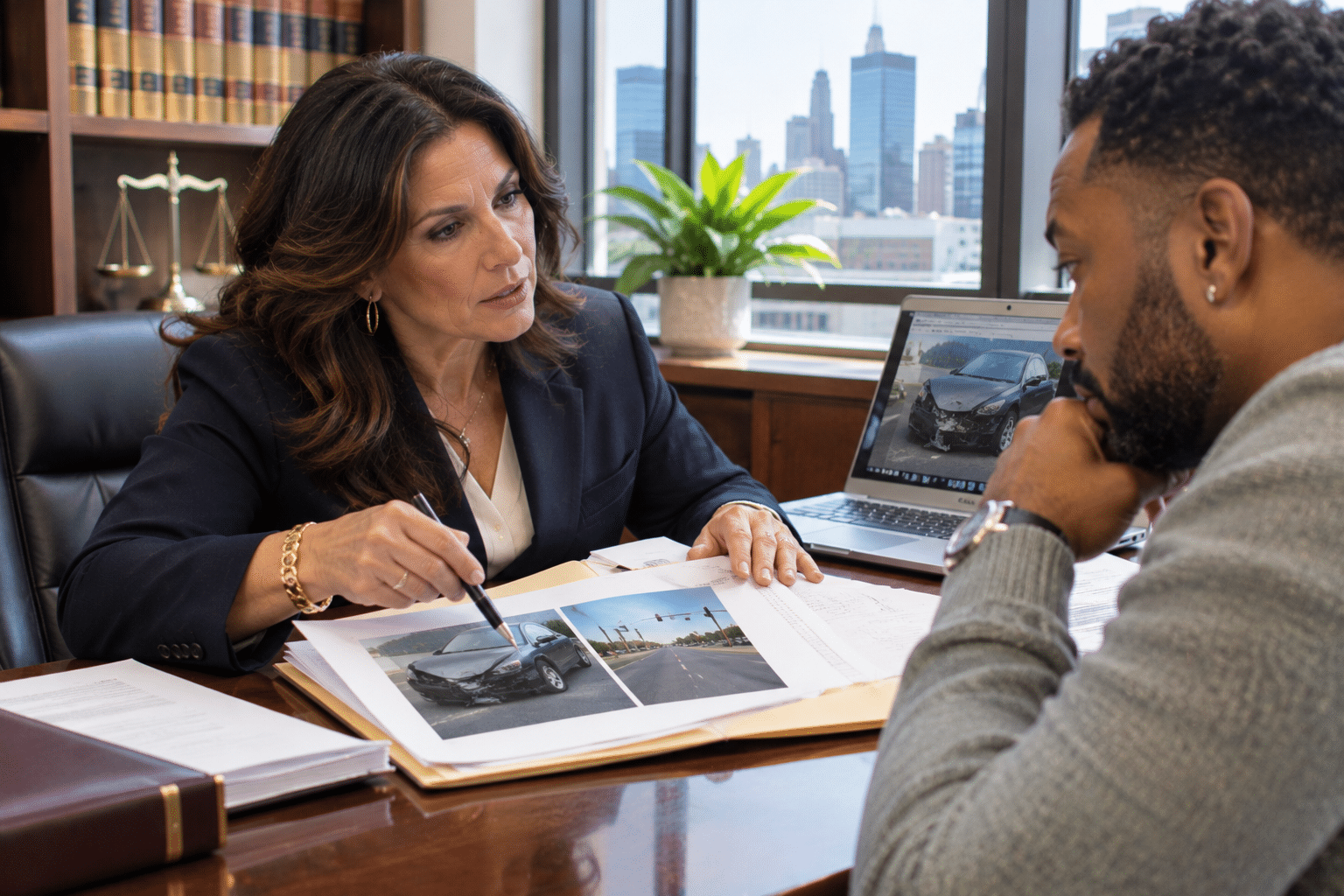
The strength of a car accident case is often set well before settlement talks even start. Evidence can disappear, witnesses can be hard to find, surveillance footage might get erased, and insurance companies may start building their defenses just days after a crash. That’s why we treat the earliest stage of a Detroit car accident claim as a key chance to preserve facts, document injuries, find insurance coverage, and protect our client’s legal position. A strong case isn’t based on just one police report or medical bill. It comes from carefully connecting the crash, the driver’s negligence, the injuries, the financial losses, and how those injuries have changed our client’s life.
We Start By Determining How The Crash Happened
We start by figuring out what caused the crash and look beyond just the police report. We check photos, vehicle damage, witness details, traffic conditions, how the road is designed, and any video that might show what happened before the crash. The police report can help, but it doesn’t always tell the whole story since the officer usually gets there after the accident. Witnesses might have seen key details, and nearby businesses or homes could have video that helps show who was at fault.
We also check if there’s electronic evidence from the vehicles. Depending on the situation, this data can show speed, braking, steering, or other actions right before the crash. This is especially important if the insurance company argues about who was at fault or tries to blame our client. Getting a clear picture of how the crash happened is the foundation for the rest of the claim.
We Preserve Evidence Before It Disappears
Important evidence doesn’t always last long after an accident. Businesses might record over surveillance footage, damaged vehicles can get repaired or scrapped, and witnesses may forget details over time. That’s why we act fast to save any evidence that should be kept. Acting early can mean the difference between having solid proof and having to rely on conflicting stories months later.
Depending on the case, we might need to request video, find and talk to witnesses, take photos of the scene, save damaged vehicles, or get electronic records. Cases with commercial trucks, rideshare vehicles, delivery drivers, or other businesses can need extra steps, like getting driver logs, dispatch records, internal messages, or job information. We try to find these sources early, so we don’t find out later that they’re gone. Keeping evidence also puts us in a better spot if someone challenges who was at fault.
We Document Medical Treatment From The Beginning
Medical records are one of the most important parts of a serious injury claim. We want the records to clearly show what happened, what injuries were found, what treatment was suggested, and how things changed over time. Under MCL 500.3107, Michigan Personal Injury Protection benefits may pay for accident-related medical care, lost wages, replacement services, and other allowed expenses. Good documentation helps support both the no-fault claim and any third-party injury case.
We also watch for consistency in treatment because insurance companies often look for gaps in care. Missing an appointment doesn’t always mean the injury is minor, but insurers might use long gaps to argue the injury wasn’t from the crash or has already healed. We help make sure the medical history tells the real story about the injury and recovery. If there are good reasons for treatment breaks, like trouble with transportation or insurance issues, we make sure those are documented too.
We Identify Every Available Insurance Policy
A strong personal injury case requires a clear understanding of where compensation may come from. We examine the at-fault driver’s liability coverage, applicable no-fault benefits, uninsured and underinsured motorist coverage, commercial policies, employer coverage, and other potential sources depending on the circumstances. Serious injuries can quickly exceed the limits of a single insurance policy. Identifying all available coverage helps us understand the true financial scope of the case.
We also investigate whether more than one person or company may be legally responsible for the collision. A crash involving a commercial driver, delivery vehicle, company-owned vehicle, or defective product may create additional claims. We do not assume that the obvious driver is the only potentially responsible party. A thorough coverage and liability investigation can prevent valuable sources of compensation from being overlooked.
We Calculate More Than The Bills Already In Hand
Insurance companies often focus on current medical bills and immediate wage losses, but serious injuries can create financial problems that continue for years. We evaluate future treatment, rehabilitation, lost earning capacity, permanent physical limitations, and other losses supported by the medical and employment evidence. If a client may require surgery or long-term care, those future costs can significantly affect case value. Settling before those consequences are reasonably understood may leave an injured person without enough compensation to cover future needs.
We also look at how the injury has affected the client’s ability to work and earn income. A person may return to work but be unable to perform the same duties, work the same hours, or continue in the same occupation. Those limitations may create a future economic loss even when the person is still employed. Properly evaluating the case means looking at the full financial effect rather than only the bills that have already arrived.
We Prepare For Comparative Fault Arguments
Michigan’s comparative-fault statute, MCL 600.2959, allows damages to be reduced according to the injured person’s percentage of responsibility. If the injured person’s fault exceeds the combined fault of other responsible parties, noneconomic damages may be barred. Insurance companies understand this rule and may look for ways to assign part of the blame to the injured driver. Even a small shift in fault can reduce the value of a significant claim.
We therefore address comparative-fault arguments early rather than waiting until settlement negotiations begin. An insurer may claim that our client was speeding, distracted, following too closely, or failed to react properly before the collision. We examine the physical evidence, witness accounts, photographs, video, vehicle data, and roadway conditions to test those allegations. Our goal is to develop the strongest factual record possible before fault percentages become a major issue.
We Control Communications With The Insurance Companies
Insurance companies may request recorded statements, broad medical authorizations, and detailed information shortly after a crash. Those requests can create problems if the injured person provides incomplete or inaccurate information before understanding the full extent of the case. Once we become involved, we manage communications concerning the injury claim and evaluate what information should be provided. This allows us to protect the client while still supplying the information reasonably necessary to process the claim.
We also evaluate early settlement offers carefully. An offer may seem attractive when medical bills are mounting and income has been interrupted, but accepting a settlement usually ends the underlying claim. If future treatment, surgery, or permanent limitations are still uncertain, accepting too early can result in serious financial consequences. We want the client to understand the injuries, coverage, future losses, and legal options before making a final settlement decision.
We Track The Legal Deadlines From The Beginning
Deadlines are critical in personal injury cases, so we identify them right away. Michigan law (MCL 600.5805) usually gives three years to file for personal injury or death, but some claims and parties have different rules. No-fault benefits, cases with government entities, and other special situations may require extra notice or filings. Missing a deadline can stop you from recovering damages, no matter how strong your case is.
We therefore calendar all applicable dates and continue monitoring them throughout the case. We do not assume that ongoing negotiations with an insurance company will protect a legal deadline. If a lawsuit must be filed to preserve the claim, we want to be in a position to do that well before the statute expires. Managing deadlines is part of building the case, not an administrative task that can be left until the end.
We Build Every Serious Case With Litigation In Mind
A claim tends to carry more weight when the other side knows that the evidence has been preserved and the case can be litigated if necessary. We organize liability evidence, medical documentation, wage records, insurance information, witness statements, and damages evidence from the beginning. This preparation helps us present a more complete demand and makes it easier to move into litigation if negotiations fail. We do not want to spend months trying to rebuild a case after important evidence has already been lost.
Preparing for litigation does not mean that every case must go to trial. Many strong cases resolve through negotiation because the insurance company recognizes the risk of defending a well-supported claim. However, meaningful settlement leverage often comes from being prepared to prove the case in court. That is why we build serious accident claims with both settlement and litigation in mind from day one.
Frequently Asked Questions About Building A Detroit Car Accident Case
When Should We Contact A Lawyer After A Detroit Car Accident?
We generally prefer to become involved as early as possible when serious injuries are present. Early involvement gives us more time to preserve surveillance footage, locate witnesses, inspect vehicles, obtain photographs, investigate insurance coverage, and prevent avoidable mistakes. Waiting does not automatically destroy a case, but some types of evidence may become unavailable within days or weeks. The sooner we understand what happened, the better positioned we are to protect the client’s legal rights.
What Evidence Is Most Important In A Michigan Car Accident Case?
The most important evidence depends on the facts of the crash. Police reports, photographs, witness statements, surveillance footage, vehicle damage, electronic vehicle data, medical records, wage records, and insurance information can all play significant roles. We look for evidence that proves both liability and damages because a strong injury case must show who caused the crash and what losses resulted. The best cases are supported by multiple sources of evidence rather than a single document or witness.
Why Do Medical Treatment Gaps Matter?
Insurance companies sometimes argue that a gap in treatment means the injury was minor, unrelated to the collision, or resolved earlier than claimed. There may be legitimate reasons for a treatment gap, including transportation problems, insurance disputes, work obligations, or difficulty obtaining appointments. We want those circumstances documented so the medical record accurately reflects what happened. A treatment gap does not automatically defeat a claim, but unexplained gaps can give the insurer an argument it may use to reduce the case value.
Talk To Ravid & Associates, P.C. About Building A Strong Michigan Car Accident Case
A serious injury claim should begin with careful preparation rather than a rush to settlement. We investigate the collision, preserve evidence, document medical treatment, identify available insurance coverage, evaluate future damages, and prepare for the arguments the insurance company may use to reduce compensation. Each of those steps helps us create a clear factual and legal record that supports the claim. Building the case correctly from the beginning gives us a stronger position in settlement negotiations and, when necessary, in court.
If you were injured in a Detroit or Michigan car accident, contact our Detroit traffic accident attorneys at Ravid & Associates, P.C. today by calling (248) 948-9696 to receive your free consultation. We represent injured people in Detroit and throughout the entire state of Michigan from our office location in Southfield, Michigan. We can investigate the collision, preserve important evidence, evaluate your insurance coverage, document your injuries, and prepare the case for settlement or litigation. Our goal is to build the strongest claim possible from the earliest stages and pursue the compensation available under Michigan law.

