
How Do You Prove A Driver Was Speeding Before Causing A Serious Accident In Michigan?
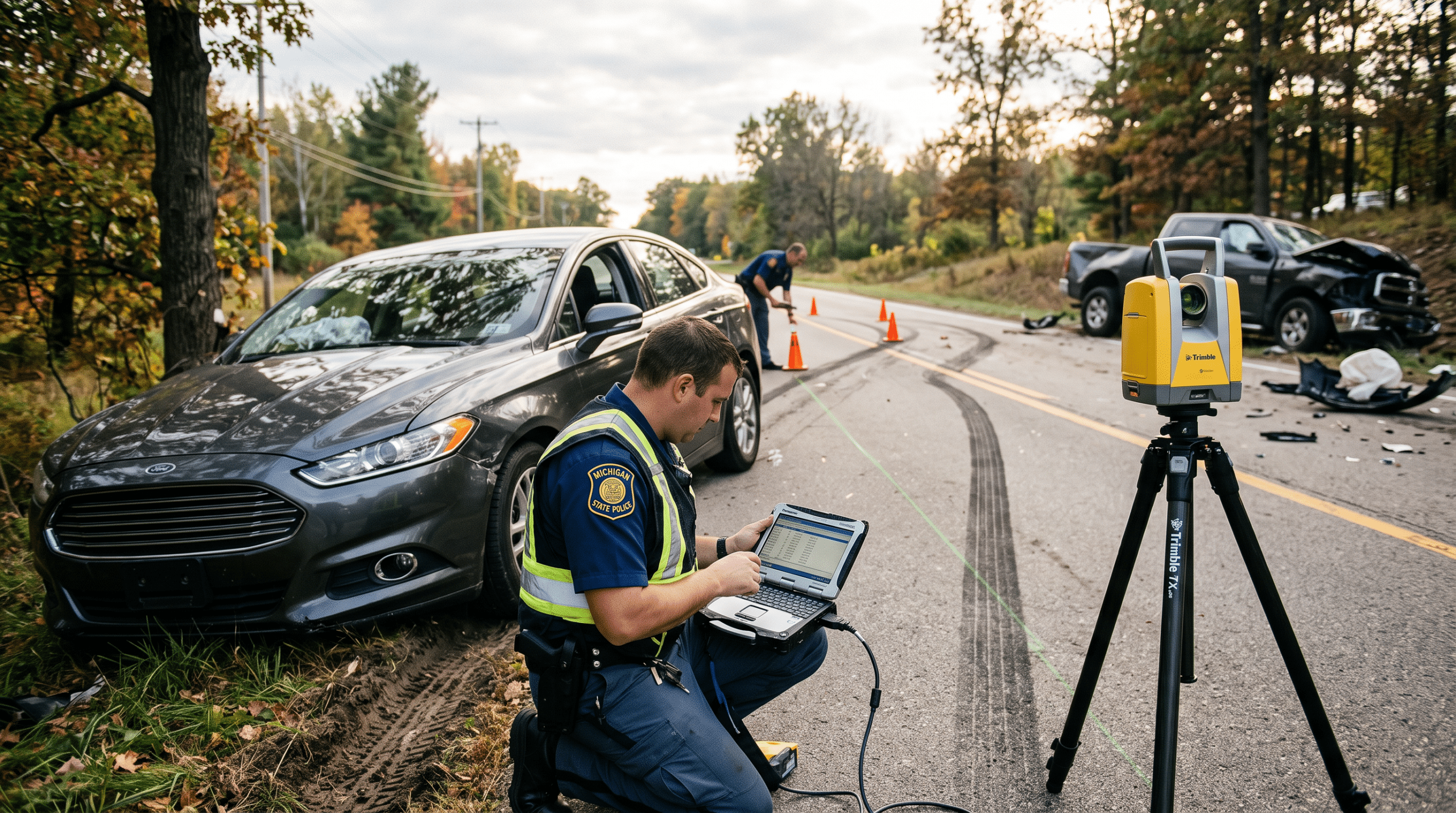
Speed can quickly turn a minor traffic mistake into a serious crash. If a driver goes through an intersection too fast, follows too closely, or speeds down a Detroit freeway, the extra speed can make the impact and injuries much worse. But after a crash, just thinking another driver was speeding is not enough to prove fault.
We need evidence showing how fast the car was going, if that speed broke Michigan law, and how it led to the crash. In serious injury cases, we often use physical evidence, electronic data, photos, and witness statements to piece together what happened right before the accident.
Michigan Law Requires Drivers To Travel At A Safe Speed
Michigan’s basic speed law is found in MCL 257.627. The statute requires motorists to drive at a careful and prudent speed that is reasonable for the traffic, roadway surface, width of the highway, and other conditions existing at the time. It also prohibits driving faster than a speed that allows the motorist to stop within the assured clear distance ahead.
So, speeding is not just about going over the posted speed limit. A driver going 45 mph in a 45 mph zone could still be driving too fast if there is heavy rain, snow, traffic, construction, poor visibility, or any other condition that makes that speed unsafe.
When we look into a serious crash, we check both the posted speed limit and the conditions at the time. The main question is whether the driver’s speed made sense and followed the law given what was happening on the road.
Vehicle Electronic Data May Show Speed Before Impact
Many modern cars have electronic systems that record what happens right before a crash. Depending on the car, a device called an event data recorder or “black box” can track things like speed, throttle position, braking, seat belt use, and other details about how the car was being driven.
That information can become powerful evidence when a driver denies speeding. For example, a motorist might tell police that the vehicle was traveling approximately 40 mph before a collision, while electronic information may indicate a substantially higher speed immediately before braking began.
Vehicle data should be preserved as early as possible. A damaged vehicle may be repaired, sold, destroyed, or transferred to a salvage facility. When appropriate, we can take steps to notify the responsible parties and insurers that potentially important evidence must be preserved.
Surveillance And Traffic Cameras May Capture The Vehicle
Video can sometimes provide some of the strongest evidence in a speeding accident claim. Detroit and surrounding communities have cameras at businesses, apartment buildings, parking structures, gas stations, residences, and commercial properties. Dash cameras and doorbell cameras may also capture portions of a crash or the vehicles approaching the collision site.
Even when footage does not display the driver’s actual speed, it may allow a reconstruction professional to analyze the distance traveled during a measurable period of time. Video can also demonstrate rapid acceleration, unsafe passing, failure to brake, or the force of the collision.
This evidence can disappear quickly because many recording systems automatically overwrite footage. We therefore consider potential video sources early in an investigation.
Witnesses Can Provide Important Evidence About Speed
Michigan courts can consider eyewitness observations regarding vehicle speed when the witness had an adequate opportunity to observe the vehicle. A person does not necessarily need sophisticated equipment to testify that a vehicle appeared to be traveling unusually fast.
Witnesses may report hearing an engine accelerate, watching a vehicle rapidly overtake surrounding traffic, seeing the driver weave between lanes, or observing a vehicle enter an intersection at an unusually high speed.
We look for witnesses beyond those identified in the police report. Nearby drivers, pedestrians, business employees, residents, passengers, and people who arrived shortly after the collision may have information that helps establish what happened.
Physical Evidence At The Crash Scene Can Help Establish Speed
The roadway itself can contain evidence of vehicle movement. Tire marks, braking patterns, debris distribution, vehicle resting positions, impact locations, roadway damage, and the extent of vehicle deformation may all provide information about the mechanics of a collision.
A reconstruction analysis can combine this physical evidence with vehicle weights, road conditions, electronic data, photographs, measurements, and other information to estimate vehicle movement before and during impact.
We do not assume that severe vehicle damage alone proves a specific speed. Instead, we look at the available evidence collectively. Serious cases often require several pieces of evidence that support one another.
Cell Phone And Digital Evidence May Explain Why The Driver Was Speeding
Speeding sometimes occurs alongside other dangerous conduct. A driver may have been using a phone, following GPS directions, racing another vehicle, or communicating with someone shortly before the crash.
Depending on the circumstances and what can lawfully be obtained during litigation, digital records may help establish a timeline surrounding the collision. A driver’s messages, calls, app activity, or other records may become relevant when they help explain the driver’s conduct before impact.
Evidence showing simultaneous speeding and distraction can strengthen the argument that the crash resulted from unsafe driving rather than an unavoidable event.
Police Evidence Can Support A Speeding Claim
The investigating officer’s observations may become important evidence. Police reports can document witness statements, citations, roadway conditions, vehicle locations, skid marks, and statements made by the drivers.
In some situations, officers may have radar, laser, or other speed-related evidence. A speeding citation can be important, but an injury claim does not necessarily depend on whether police issued one. We can still establish excessive speed through other admissible evidence.
Likewise, a driver who was not ticketed at the scene is not automatically free from civil liability. The civil investigation may uncover information that was unavailable to the officer during the initial crash investigation.
Speeding Can Help Establish Negligence And Causation
Proving that someone exceeded a speed limit is only part of a personal injury case. We also need to connect the unsafe driving to the collision and the resulting injuries.
For example, speeding may have prevented the driver from stopping before striking stopped traffic. Excessive speed may have caused a driver to lose control while entering a curve. A driver approaching an intersection too quickly may have been unable to avoid another vehicle after the traffic signal changed.
The amount of speed can also matter when examining injury causation. Increased impact forces may help explain traumatic brain injuries, fractures, spinal injuries, internal injuries, or other serious conditions resulting from the crash.
Frequently Asked Questions About Proving Speeding In Michigan Car Accident Cases
Can We Prove Speeding If Nobody Saw The Crash?
Yes. Eyewitness testimony can be helpful, but it is not the only way we can establish excessive speed. Vehicle electronic data, surveillance recordings, dash camera footage, physical roadway evidence, vehicle damage, braking evidence, and reconstruction analysis may all help determine how a vehicle was moving before impact. In some cases, several independent sources of evidence can create a much clearer picture than a single eyewitness account.
What If The Speeding Driver Was Never Given A Ticket?
A traffic citation is not required for us to pursue a civil injury claim based on excessive speed. Police officers make citation decisions using the information available during their investigation, which may be limited. Later investigation may uncover electronic vehicle information, video, witnesses, or other evidence that police did not have at the scene. Civil liability and a traffic citation are separate issues.
Can A Driver Be At Fault For Speeding Even If They Were Under The Posted Limit?
Yes. MCL 257.627 requires drivers to operate at a careful and prudent speed that is reasonable for existing conditions. Snow, ice, rain, heavy traffic, construction, poor visibility, or stopped traffic may require a driver to travel substantially below the posted limit. We can argue that a driver was traveling too fast for conditions even when the numerical speed did not exceed the posted maximum.
Speak With Ravid & Associates, P.C. After A Serious Michigan Speeding Accident
When excessive speed causes a serious collision, determining what happened in the seconds before impact can become one of the most important parts of the case. We investigate available electronic data, witnesses, video recordings, physical evidence, police information, and other sources that may establish the driver’s speed and conduct.
We also document the injuries, medical treatment, lost income, physical limitations, and future consequences of the collision. Our goal is to build a claim that explains both why the accident happened and how it changed our client’s life.
If you were seriously injured by a speeding driver in Detroit or elsewhere in Michigan, contact our Detroit car accident attorneys at Ravid & Associates, P.C. today by calling (248) 948-9696 to receive your free consultation. We represent injured people in Detroit and throughout the entire state of Michigan from our office location in Southfield, Michigan. We can review the circumstances of the crash, identify evidence that may establish excessive speed, and explain the legal options available under Michigan law.

