
How Quickly Should A Fatal Head-On Collision Be Investigated?
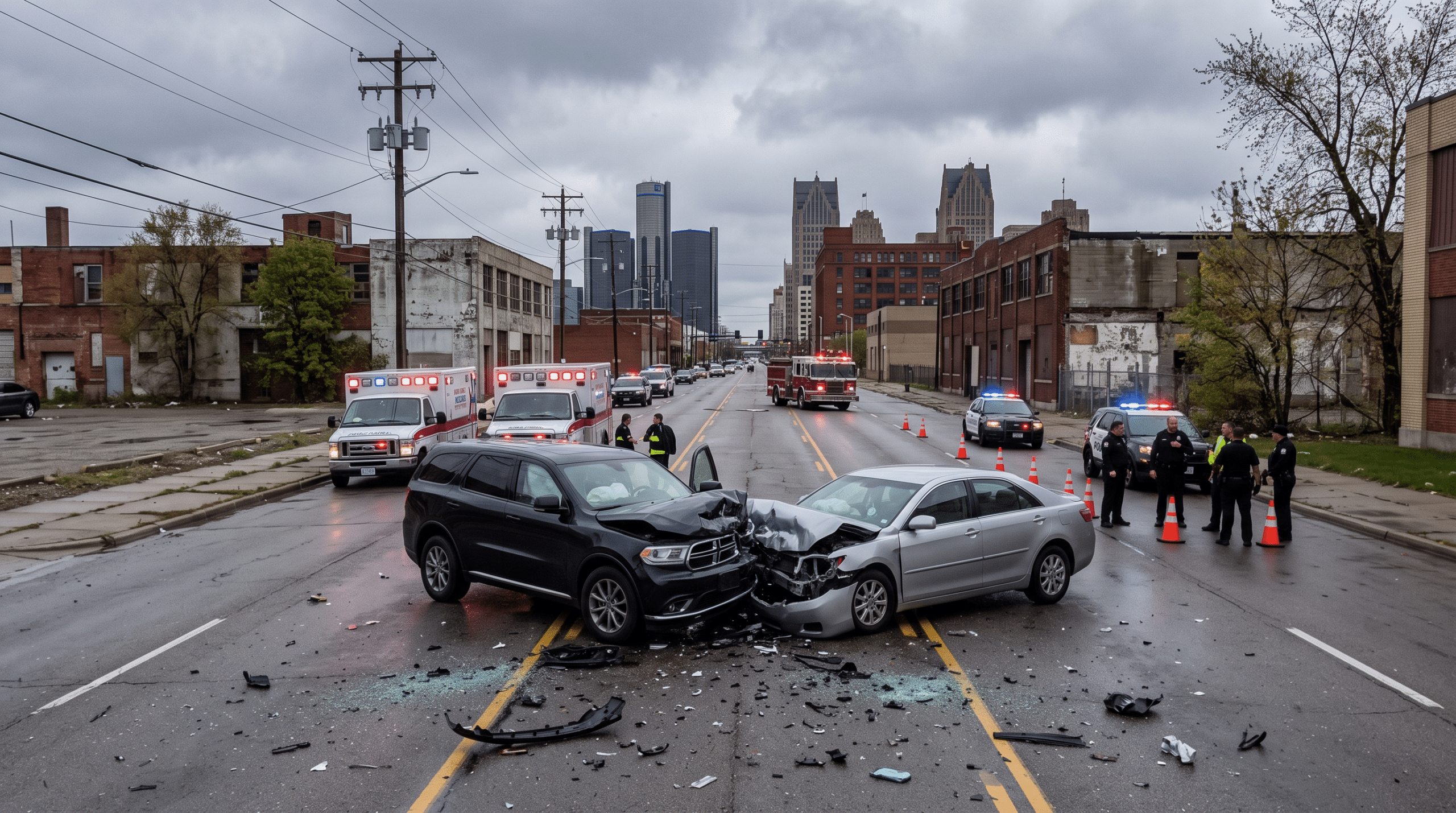
A fatal head-on collision should be investigated as soon as possible, ideally within days of the crash instead of waiting for the police investigation to finish. These accidents often involve strong impact forces, complex questions about who is at fault, several insurance companies, and evidence that can disappear quickly. Skid marks fade, damaged vehicles might be repaired or destroyed, electronic vehicle data can be lost, and nearby surveillance footage may be erased. Witnesses may also remember less as time goes on. When we help a family after a fatal Detroit collision, one of our first priorities is to preserve the evidence needed to find out why the vehicles collided and who may be legally responsible.
A police investigation is important, but it has a different goal than the investigation needed for a civil wrongful death claim. We do not have to wait for law enforcement to finish before starting our own work. Beginning early can help us find evidence that might not be available months later.
Why A Fatal Head-On Collision Requires Immediate Attention
Head-on crashes often bring up serious questions about who is at fault. We need to find out why one vehicle moved into the path of another. The reason could be distracted driving, speeding, impairment, driver fatigue, unsafe passing, loss of control, mechanical failure, or something else.
Physical evidence from the scene can help answer these questions. Things like where the vehicles stopped, where the impact happened, road markings, debris, tire marks, photos, witness statements, and electronic vehicle data can help us understand what happened just before the crash.
Time is important because much of this evidence does not last. A vehicle might be moved to storage and then sold for salvage. Businesses often erase old surveillance videos. Road conditions can also change. Investigating quickly gives us a better chance to save important evidence before it is lost.
We Do Not Have To Wait For The Police Investigation To Finish
Some families think an attorney cannot start investigating until the police finish their report or prosecutors decide about criminal charges. That is usually not how a civil injury investigation works.
We can start collecting evidence while the police are still working. The criminal investigation looks at whether a driver broke the law. Our civil investigation focuses on whether someone’s careless or wrongful actions caused the death and who might be financially responsible.
Under the Michigan Wrongful Death Act, MCL 600.2922, a wrongful death action may arise when death results from another person’s wrongful act, neglect, or fault. The action is brought by the personal representative of the deceased person’s estate. We therefore examine the evidence with the requirements of a potential wrongful death action in mind from the beginning.
Preserving The Vehicles Can Be Critical
In a serious head-on collision, the vehicles themselves can be some of the most important evidence. We may try to keep them from being repaired, taken apart, sold, or destroyed until they can be inspected.
Inspecting the vehicles can show us things like how they were crushed, if the passenger area was damaged, how the seat belts worked, the condition of the tires, and where the vehicles were hit. Some vehicles also store electronic data about speed, braking, throttle, seat belt use, and other details from before the crash.
If another driver, trucking company, employer, vehicle owner, or insurance company has important evidence, it is especially important to act quickly to make sure that evidence is saved.
Determining Everyone Who May Be Legally Responsible
The driver is not always the only potential defendant. Michigan’s motor vehicle owner-liability statute, MCL 257.401, can impose liability on a vehicle owner when the vehicle was being operated with the owner’s express or implied consent or knowledge, subject to statutory requirements and exceptions.
Other facts can also make the investigation bigger. The driver might have been working when the crash happened. A commercial vehicle might not have been properly maintained. A faulty part could have caused a loss of control. Another vehicle might have pushed one of the cars across the center line.
We look beyond the obvious reasons because it is important to find everyone who may be legally responsible, especially when a fatal accident causes major losses.
Comparative Fault Makes The Evidence Even More Important
Michigan law allows fault to be allocated among parties involved in an injury or wrongful death case. Under MCL 600.2959, damages can be reduced according to the percentage of comparative fault attributed to the person whose injury or death forms the basis of the case. MCL 600.6304 provides a framework for determining percentages of fault in actions involving multiple responsible parties.
That creates another reason to investigate quickly. An insurance carrier may argue that the deceased driver was speeding, crossed the center line, reacted improperly, or otherwise contributed to the collision. We want objective evidence available to test those claims rather than allowing an insurer’s version of events to become the only version supported by preserved evidence.
The Filing Deadline Is Not A Reason To Delay The Investigation
Michigan generally provides a three-year limitations period for actions seeking damages for bodily injury or wrongful death under MCL 600.5805. However, families should not treat that period as a reason to postpone contacting an attorney.
The practical evidence deadline can arrive much sooner than the legal filing deadline. A surveillance recording might disappear within weeks. A vehicle can be destroyed within months. A witness may relocate or become difficult to locate.
Michigan also has a saving provision under MCL 600.5852 that can apply when a deceased person’s personal representative is appointed after the death. Whether that provision extends the filing period depends on the specific dates and circumstances. We evaluate those deadlines immediately rather than assuming additional time will be available.
What A Thorough Fatal Crash Investigation May Examine
A meaningful investigation goes beyond obtaining the traffic crash report. Depending on the circumstances, we may examine photographs and measurements from the crash scene, vehicle inspections, electronic data, 911 records, witness testimony, nearby security or traffic cameras, cellular phone evidence when legally obtainable, toxicology information, medical records, and the driving history or employment circumstances of the responsible driver.
When necessary, accident reconstruction professionals can analyze the physical evidence to determine vehicle movements, speeds, impact angles, braking, and other factors. The purpose is to build an evidence-based account of what happened rather than relying solely on competing statements made after the crash.
Why Families Should Consider Acting Immediately
Families have enough to deal with after an unexpected death. Still, the period immediately following a fatal collision can be decisive from an evidentiary standpoint. Insurance companies may begin their investigations almost immediately, and potentially responsible businesses often have their own attorneys and insurers protecting their interests.
We can begin preserving evidence without waiting for every unanswered question to be resolved. Early involvement allows us to investigate the collision while physical evidence, electronic information, witnesses, and records are still available.
FAQs About Investigating Fatal Head-On Collisions In Michigan
How Soon Should We Contact A Lawyer After A Fatal Head-On Crash?
We recommend contacting an attorney as soon as reasonably possible. There is no advantage to intentionally waiting for evidence to become older or harder to obtain. Early involvement can allow us to identify the vehicles, locate witnesses, request available video recordings, preserve electronic information, and determine which individuals or companies may possess important evidence. Starting an investigation does not force the family to immediately file a lawsuit. It allows us to protect potential evidence while the family considers its legal options.
Should We Wait Until The Police Issue Their Final Accident Report?
Generally, no. We can begin investigating while police continue their work. A police report can provide valuable information, but it is only one part of a civil wrongful death investigation. We may locate evidence or witnesses that were not included in the initial police investigation. We may also have different questions because our focus is determining civil liability and the damages available to the deceased person’s family under Michigan law.
What Happens To The Vehicles After A Fatal Accident?
The vehicles may initially be held for law enforcement purposes, stored at tow yards, transferred to insurers, or eventually released to owners or salvage companies. Their location and condition therefore need to be identified quickly. When a vehicle contains potentially important evidence, we may seek to have it preserved long enough for an appropriate inspection. Waiting until the vehicle has been dismantled or destroyed can eliminate an important source of evidence.
Who Files A Wrongful Death Claim After A Michigan Head-On Collision?
Under MCL 600.2922, the personal representative of the deceased person’s estate brings the wrongful death action. The statute also identifies individuals who may be entitled to damages through the action, depending on the family circumstances. Probate proceedings may therefore become part of the process. We can coordinate the wrongful death investigation with the estate issues so that the proper party has authority to pursue the claim.
What Compensation May Be Available After A Fatal Michigan Car Accident?
Under Michigan’s Wrongful Death Act, recoverable damages may include reasonable medical, hospital, funeral, and burial expenses as well as compensation for the deceased person’s conscious pain and suffering and damages for loss of financial support and loss of society and companionship, when supported by the facts and law. The value of a wrongful death claim depends heavily on the deceased person’s circumstances, family relationships, financial contributions, and evidence concerning the collision.
What If We Do Not Know Which Driver Crossed The Center Line?
That is precisely the type of question an independent investigation may need to answer. We can examine physical evidence, vehicle damage, roadway markings, witness accounts, electronic information, photographs, and reconstruction evidence. Families should not assume they have no claim simply because the initial circumstances are unclear. A thorough investigation may establish vehicle movements and fault more accurately than the information available immediately after the crash.
Speak With Ravid & Associates, P.C. About A Fatal Michigan Head-On Collision
When a family loses someone in a head-on collision, we understand that pursuing a legal investigation may not feel like the first priority. Unfortunately, evidence does not remain available indefinitely. We can take responsibility for investigating the crash, preserving evidence, communicating with insurers, identifying potentially responsible parties, and evaluating a wrongful death claim while the family focuses on matters at home.
We represent families in Detroit and throughout Michigan after fatal motor vehicle accidents. When the evidence supports a claim, we pursue accountability and compensation under Michigan law for the losses caused by the death.
If your family lost a loved one in a fatal head-on collision, call our Detroit fatal car accident attorneys at Ravid & Associates, P.C. today by calling (248) 948-9696 to receive your free consultation. We represent clients in Detroit and throughout Michigan from our office locations in Southfield, Michigan. The earlier we can evaluate a fatal crash, the better the opportunity may be to identify and preserve evidence that explains exactly what happened.

